News
Gauteng’s GBV Response Plan: Rollout Progress, Targeted Help, and How to Access Support
Gauteng’s GBV response plan targets high-risk areas with new teams, social workers, and support services. See progress and how survivors can get help today.
Key Elements of the Gauteng GBV Response Plan
The Gauteng provincial government has committed to deploying 1,022 GBV response teams across 122 high-risk areas identified through police data and safety audits. These “brigades” aim to provide an immediate presence in regions where the threat of gender-based violence is greatest. Building on previous efforts, these brigades continue the work of safety volunteers by raising awareness and connecting survivors with crucial resources at the local ward level.
In addition to on-the-ground teams, the government is recruiting 56 new social workers within the Department of Social Development to offer specialised support for victims and survivors. This move is expected to strengthen the support network and streamline the journey from seeking help to receiving meaningful assistance.
Enhanced Support Centres and Safeguarding Evidence
As part of the response plan, the province is bolstering seven Thuthuzela Care Centres, which serve as specialised facilities providing medical care and legal assistance to rape survivors. These centres facilitate both immediate medical attention and the opening of police cases in a survivor-friendly environment.
Support for sexual offences courts is being expanded, with 144 victim-friendly rooms now available to ease the reporting and prosecution process. Meanwhile, all 19 Medical Legal Clinics in Gauteng are being integrated into efforts to safeguard forensic evidence, ensuring that critical information is preserved to aid in investigations and justice processes.
A notable update to the provincial strategy adds a fifth priority: strengthening places of safety and improving support services for survivors beyond the initial crisis response.
Which Communities Are Being Prioritised?
The province has identified the 10 police stations with the highest reported rape cases as primary beneficiaries of additional support. These include:
- Rietgat
- Alexandra
- Mamelodi
- Diepsloot
- Ivory Park
- Dobsonville
- Redhill
- Midrand
- Tembisa
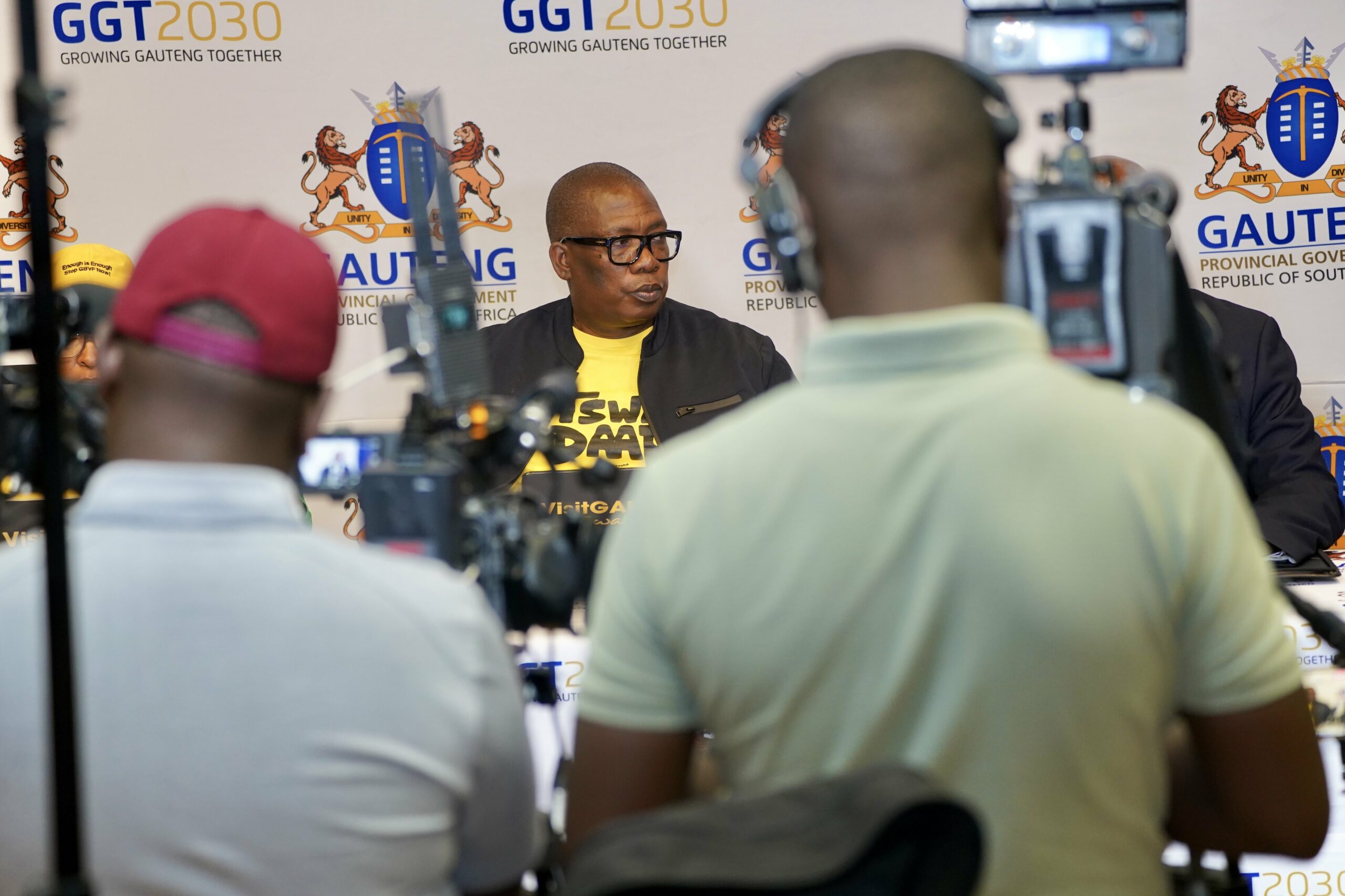
Premier Panyaza Lesufi reported that since the plan’s implementation, reported cases at these hotspots have shown signs of decline, suggesting an early positive impact. Additional emphasis has been placed on increasing visible policing in high-risk precincts to further discourage and disrupt acts of violence.
Making Public Spaces Safer
The Gauteng response goes beyond victim support by tackling the safety of public spaces. Municipal safety audits are 60% to 80% complete in most areas, with urgent hazards either being fixed immediately or incorporated into funded action plans. Progress updates are to be published online, providing the public with transparency and an opportunity for community oversight.
- Johannesburg has mapped risk zones and is repurposing ten previously hijacked buildings for public benefit.
- Tshwane has undertaken extensive clearing of vegetation to improve visibility around transit stations considered high risk.
- Ekurhuleni completed inspections of all taxi ranks, flagging and planning repairs for broken CCTV network points.
Broad enforcement has also been strengthened, with 7,322 liquor outlet inspections resulting in 20 closures, 459 non-compliance notices, and 41 joint enforcement operations. These actions are intended to disrupt environments linked to GBV risks.
Tackling Forensic Backlogs
Forensic processing is a persistent challenge in GBV investigations. The province has collected and dispatched crime kits from all Thuthuzela Care Centres to the Forensic Science Laboratory, prioritising the timely collection of evidence. Investigating officers are now required to carry crime kits to all medical examinations, addressing past delays in evidence gathering.
An Identification Task Team is also working to conduct digital fingerprint audits on unidentified women and children, supporting efforts to solve unresolved cases.
Current Status: What Has Been Achieved?
As of early November 2026, Gauteng’s response plan is around a third of the way through President Cyril Ramaphosa’s 90-day directive. Out of 67 action points, 21 have been completed, 38 are underway, and eight have yet to commence. While the full deployment status of all 1,022 teams remains unclear and not all directives have been finalised, provincial leaders stress that work continues with urgency.
“Protecting our women and children is an absolute priority that demands immediate action, as delayed justice is no justice at all.”
The province acknowledges obstacles such as forensic backlogs and slower-than-hoped progress on municipal repairs, but affirms its commitment to further improvements.
How Survivors Can Get Help Right Now
Immediate support is available to survivors even as the rollout continues:
- Gauteng shelters: 18 facilities offering 363 beds for those in urgent need.
- Referral tools: Available at all 43 protection-order courts to streamline survivor access to services.
- e-Panic Button app: Recent technical issues resolved, with CCTV networks expanded to bolster response.
Critical helplines and services are available 24/7 for anyone affected by GBV:
- GBV Command Centre: 0800 428 428
- “Please call me”: Dial 1207867# (free) to request a social worker
- SMS for persons with disabilities: Text “help” to 31531
- SAPS emergency: 10111
- Childline: 0800 055 555
While questions remain about the timing of full deployment and the resolution of ongoing challenges, the Gauteng GBV response plan represents a wide-ranging, proactive attempt to address the province’s deeply-rooted crisis. The immediate availability of shelters and helplines ensures that no survivor must wait for support, even as systemic improvements continue to unfold.
Follow Joburg ETC on Facebook, Twitter, TikTok and Instagram
For more News in Johannesburg, visit joburgetc.com
Source: thesouthafrican.com