News
Ramaphosa and Lamola Face Criticism After US Moves to End South Africa’s AGOA Benefits
US President Trump notifies Congress of plans to remove South Africa from AGOA, sparking criticism of Ramaphosa and Lamola over diplomatic tensions. Economic risks loom.
US Moves to End South Africa’s Preferential Trade Access
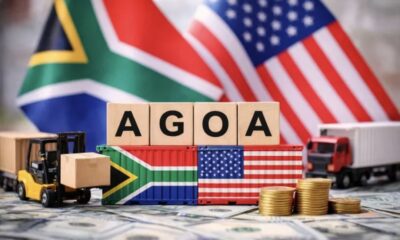
The United States has taken a significant step toward terminating South Africa’s participation in the African Growth and Opportunity Act (AGOA), a decision advanced by President Donald Trump following an official notification to Congress. If finalized, South Africa will lose AGOA benefits from January 1, 2027, a potential blow to exports and a shock for local industries.
Solidarity and Lex Libertas Assign Blame
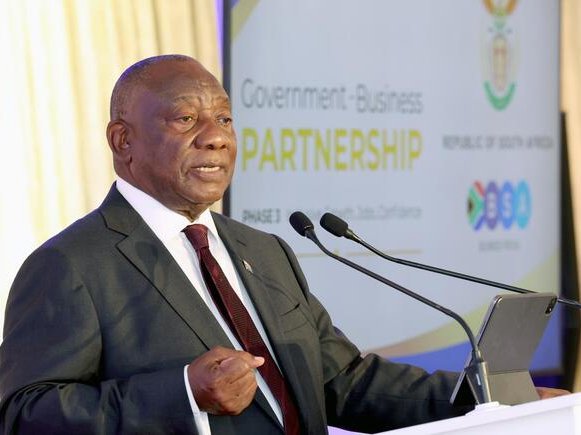
Two prominent South African organizations, Solidarity and Lex Libertas, have directed their criticism at President Cyril Ramaphosa and International Relations Minister Ronald Lamola. They argue that insufficient efforts to resolve diplomatic tensions with Washington led directly to the current crisis, warning that the country’s workers and vital export sectors could face major consequences.
Solidarity Condemns Leadership Decisions
The labour union Solidarity expressed disappointment, claiming that Ramaphosa and Lamola repeatedly ignored warnings regarding the impact of their foreign policy positions and public statements on US relations. Solidarity asserted that these actions strained ties with one of South Africa’s most important trading partners.
Jaco Kleynhans, Solidarity’s head of public liaison, highlighted the union’s previous efforts in US Congress to secure a two-year AGOA extension until 2028. Despite those engagements, Kleynhans cited ongoing antagonism towards Trump and his administration as a key obstacle to maintaining AGOA eligibility. He singled out remarks made by Lamola during a September visit to the US as particularly damaging.
“Ordinary workers and industries will now pay the price for political negligence,” said Jaco Kleynhans.
Solidarity called for an immediate resolution to the dispute with Washington, voicing concern about the impact on the automotive, agricultural, and manufacturing sectors. The union warned that thousands of jobs could be threatened and confirmed ongoing efforts to liaise with the US government to mitigate consequences for affected workers.
Lex Libertas Cites Government Inaction
Lex Libertas also placed responsibility on the South African government, stating that authorities had long been aware that AGOA exclusion was possible but failed to address specific US concerns, particularly those related to incitement to violence, property rights, and market policies.
“This is shameful. The government anticipated the consequences of its decisions but chose not to address their causes,” Dr Ernst Alex Roets of Lex Libertas said.
Roets argued that the AGOA issue is symptomatic of broader structural problems in South Africa’s political system, calling for decentralisation and greater self-governance as potential solutions.
Wider Diplomatic and Economic Ramifications
The pending AGOA exclusion forms part of a pattern of increasingly strained relations between Pretoria and Washington since President Trump’s return to office in January 2025. The diplomatic fallout has included the suspension of US foreign aid, the expulsion of South Africa’s former ambassador, and continued American criticism of domestic and foreign policies.
Notably, President Trump has made controversial claims of a “white genocide” in South Africaallegations the South African government has formally rejected. Disagreements have also surfaced over land reform, affirmative action, and particularly South Africa’s case against Israel at the International Court of Justice.
The spat has even affected South Africa’s participation in G20 meetings, with the US refusing to accredit South African delegates for official functions hosted on American soil.
AGOA’s Importance for South Africa
AGOA provides sub-Saharan African countries with duty-free access to the US market for thousands of products, including vehicles, textiles, and agricultural goods. South Africa remains the biggest beneficiary of the programme, putting key economic sectors at risk from exclusion.
In 2025, trade between South Africa and the US reached $28.8 billion, with over 600 American companies employing more than 130,000 people in South Africa. Loss of AGOA benefits is expected to undermine this critical trade relationship and pose new challenges for local industries.
US Concerns and AGOA Review Process
The US Trade Representative, Jamieson Greer, said the decision to move towards South Africa’s exclusion followed an annual review of sub-Saharan African countries’ AGOA eligibility. According to the White House, both South Africa and Rwanda were found to be engaging in practices inconsistent with AGOA requirements, including perceived barriers to American trade and issues tied to national security and foreign policy considerations.
The Trump administration indicated, however, that the intention is to see African partner countries address outstanding US concerns and meet AGOA’s eligibility requirements, leaving open the possibility of future engagement if disputes can be resolved.
Looking Ahead
As the official notification sets the stage for South Africa’s potential removal from AGOA at the start of 2027, a period of uncertainty dawns for industries and workers dependent on US trade preferences. The episode underscores how shifts in diplomatic relations can have immediate economic impacts, especially when political disputes escalate to affect long-standing trade agreements.
The coming months will be critical as stakeholders look for ways to restore dialogue and limit the fallout for South Africa’s export-driven sectors.
Follow Joburg ETC on Facebook, Twitter, TikTok and Instagram
For more News in Johannesburg, visit joburgetc.com
Source: iol.co.za