News
How to vote in the 2026 local government elections: A beginner’s guide
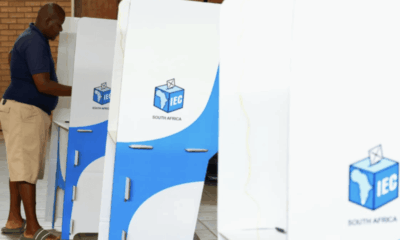
Not sure what to do at the voting station? Here’s a beginner’s guide to elections
Voting for the first time, or simply unsure what happens when you arrive at a voting station? You’re not alone.
With South Africa’s 2026 Local Government Elections approaching, it’s worth understanding what you’re actually voting for, how to complete your ballot papers and what happens once the voting stations close.
Unlike national elections, where voters elect representatives to Parliament, local government elections focus on the people and parties responsible for running your municipality.
Here’s what you need to know before heading to the voting station.
What are we actually voting for?
Local government elections determine who represents you in your municipal council.
You are voting for ward councillors and political parties that will help govern your local municipality, whether you live in a metropolitan area, a town or a district municipality.
Why does this matter?
Your local municipality is responsible for services and infrastructure that affect your everyday life, including:
- Water supply and sanitation.
- Electricity distribution.
- Refuse collection.
- Road maintenance and pothole repairs.
- Parks and recreational facilities.
- Local public services and infrastructure.
Your vote helps determine who makes decisions about these services and how your municipality is run.
Your voting day checklist
Before leaving home, make sure you have everything you need.
When: Wednesday, November 4, 2026.
Voting hours: 7am to 9pm.
Where: You must vote at the voting station where you are registered.
You can check your registration details using the IEC’s Voting Station Finder or by sending your South African ID number to 32810 via SMS.
What to bring:
You must present one of the following identification documents:
- A green barcoded South African ID book.
- A smart ID card.
- A valid Temporary Identity Certificate issued by the Department of Home Affairs.
Remember, you cannot vote without an acceptable form of identification.
Understanding your ballot papers
Once you arrive at your voting station, an election official will verify your identity and registration details. Your thumb will be marked with indelible ink before you receive your ballot papers.
Depending on your municipality, you will receive either two or three ballot papers.
Here’s what each one means.
Ballot 1: The ward ballot
This is your opportunity to choose the individual who will represent your specific ward in the municipal council.
What does it look like?
The ballot paper contains the names of ward candidates, who may represent political parties or stand as independent candidates.
What do you do?
Place one cross (X) in the box next to the candidate you want to represent your ward.
Why does it matter?
Your ward councillor represents the interests and concerns of your local community.
If residents experience problems such as broken streetlights, overflowing sewage or neglected public spaces, the ward councillor is one of the people they can approach to raise these issues with the municipality.
Ballot 2: The proportional representation (PR) ballot
This is your party vote.
What does it look like?
The ballot paper lists the political parties contesting the election, usually alongside their registered logos.
What do you do?
Place one cross (X) next to the political party you want to vote for.
Why does it matter?
The PR ballot helps determine how municipal council seats are distributed among political parties based on their share of the vote.
Ballot 3: The district council ballot
Some voters will receive a third ballot paper, depending on where they live.
This applies to voters in areas where district municipalities have a separate council election.
The ballot allows voters to choose political representation at district municipality level.
Not everyone will receive this ballot, so don’t be surprised if you only receive two.
How to mark your ballot correctly
Once you’re inside the voting booth, take your time and make sure your vote is completed correctly.
Follow these steps:
- Use the pen provided by the IEC.
- Place one clear cross (X) inside the box next to your chosen candidate or political party.
- Do not write your name, add comments or make unnecessary marks on the ballot paper.
- Fold your ballot paper so your choice remains private.
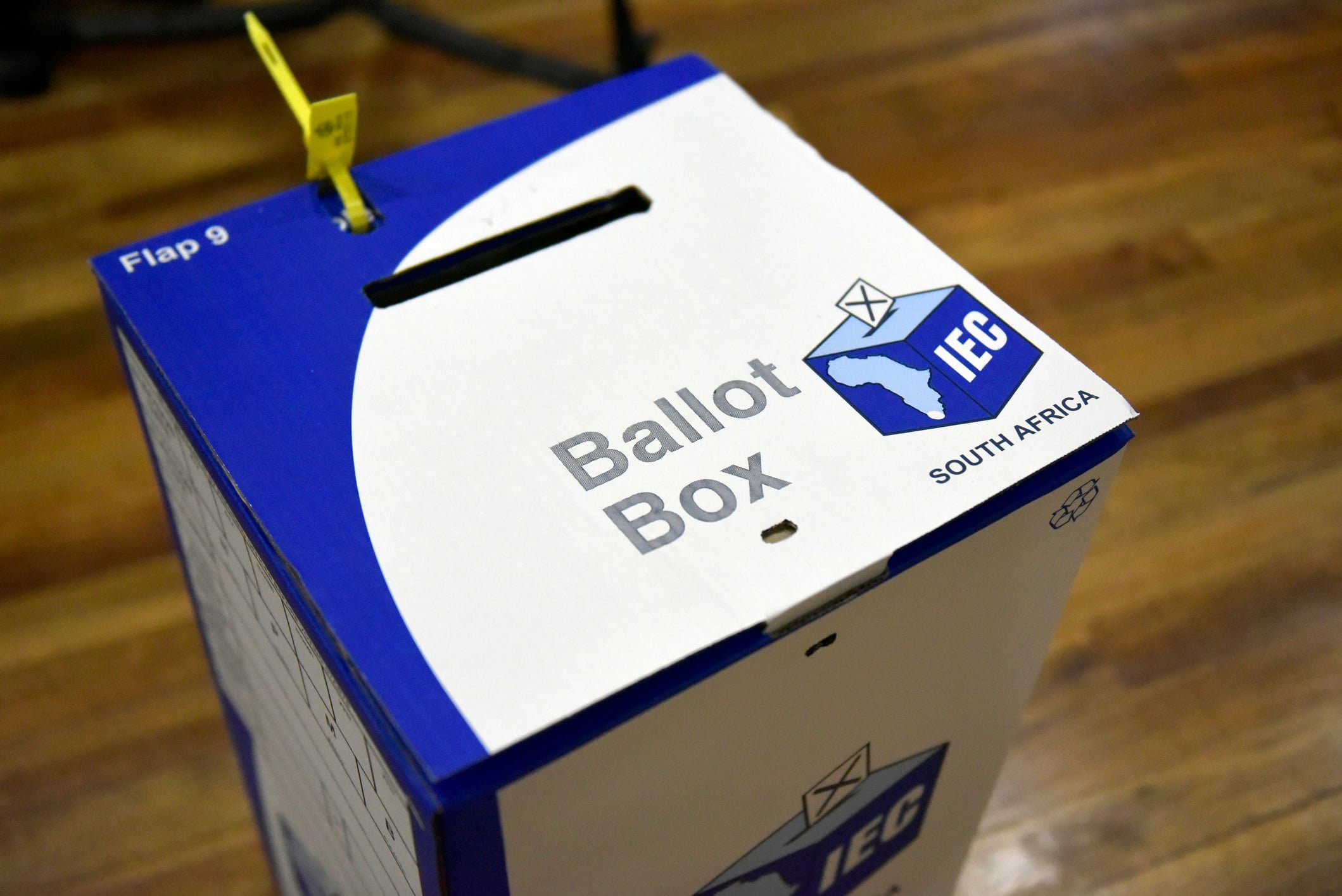
- Place it into the correct ballot box.
Avoid marking outside the designated boxes or selecting more than one candidate or party on the same ballot, as this could result in your ballot being rejected.
If you’re unsure about anything, ask an election official for assistance before casting your vote. They can explain the voting process without influencing your choice.
What happens after you vote?
Once voting stations close at 9pm, the counting process begins.
IEC officials count the ballots at voting stations in the presence of party agents and accredited independent observers.
The results are then captured and transmitted to the IEC’s National Results Operations Centre, where the counting process and results are monitored.
Once the votes have been counted, the results determine how seats in each municipal council are allocated.
What happens if no party wins a majority?
A political party needs more than 50% of the council seats to govern with an outright majority.
If no party secures a majority, two or more parties may negotiate a coalition agreement to form a government and govern the municipality together.
This means the final composition of your municipal council may depend on negotiations between political parties after the election results are announced.
Your vote matters beyond election day
Local government decisions affect your neighbourhood, your household and the services you rely on every day.
Whether it’s water shortages, electricity problems, refuse collection or road maintenance, the people elected to your municipal council play an important role in how these issues are addressed.
Understanding the ballot papers and knowing what to expect at your voting station can make the process less intimidating, especially if you’re voting for the first time.
Make sure you’re registered, bring your ID and take the time to make your voice heard on November 4.
Follow Joburg ETC on Facebook, Twitter, TikTok and Instagram
For more News in Johannesburg, visit joburgetc.com
Source: citizen.co.za