News
Tau: US AGOA Decision Does Not Define Larger South Africa-US Ties
Minister Tau maintains that the US decision to end South Africa’s AGOA benefits does not define their broader relationship, amid concerns for trade and industry.
Overview: AGOA Withdrawal and Its Scope
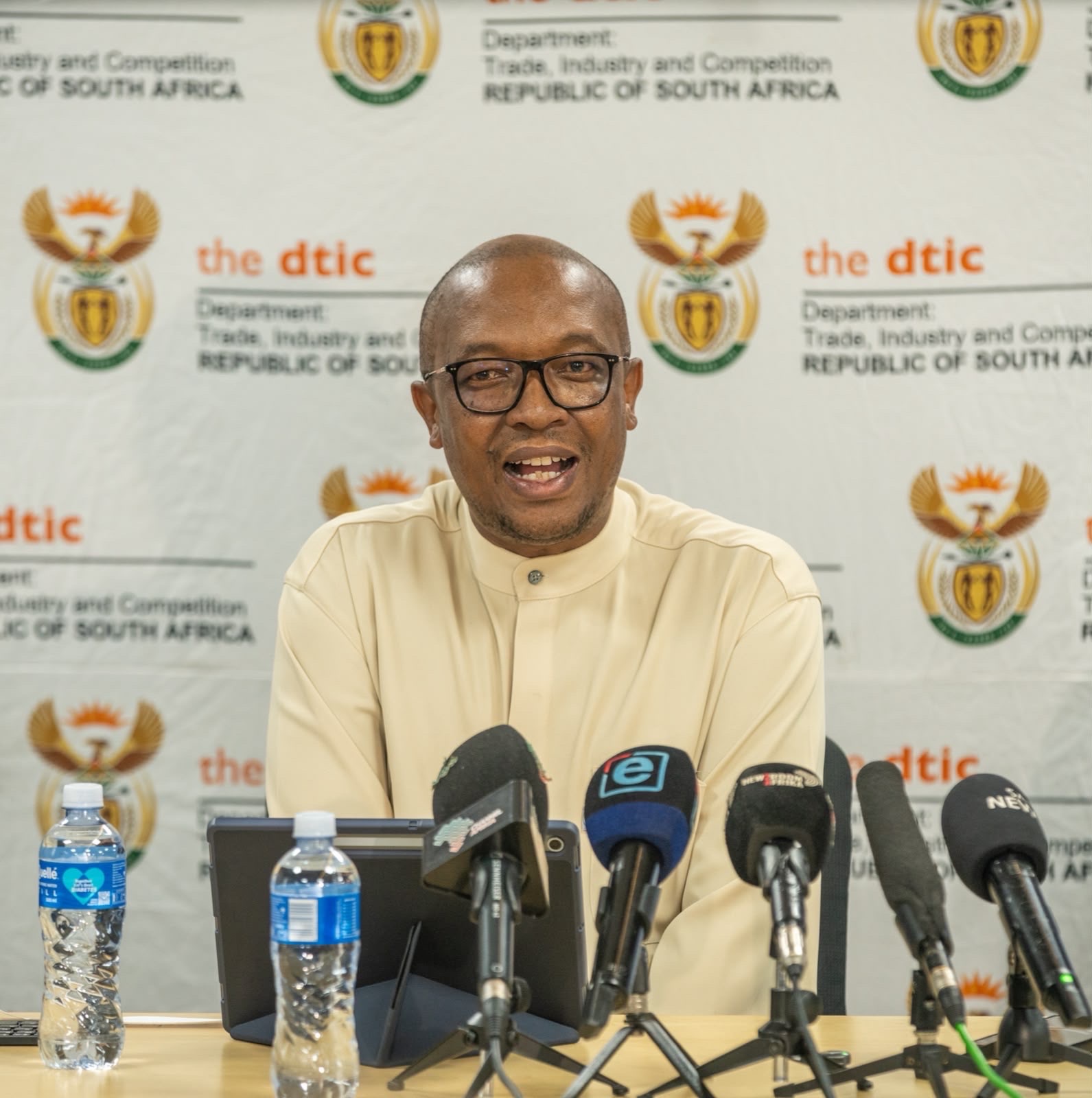
Trade, Industry and Competition Minister Parks Tau has addressed South Africa’s standing with the United States in light of the recently announced exclusion from the African Growth and Opportunity Act (AGOA), emphasizing that this move does not determine the overall relationship between the two nations.
The statement follows the US administration’s notification to Congress regarding the termination of South Africa’s participation in AGOA, effective January 1, 2027.
This development marks a notable challenge for South Africa as it seeks to maintain advantageous access to US markets amidst what has been described as increasing tensions between the two countries.
Background to the US Decision
The US cited its annual eligibility review process for AGOA, which evaluates sub-Saharan African nations’ compliance with programme requirements. Findings suggested that South Africa and Rwanda had engaged in activities at odds with AGOA’s eligibility standards, including obstacles to US trade, investment, and national security concerns.
As a result, South Africa has been given a 60-day notice period before AGOA benefits are formally withdrawn at the start of 2027. The government has acknowledged this timeline and stated the process of assessing the implications for the many sectors and communities intertwined with AGOA-supported value chains is underway.
Implications for Local Workers and Industries
Recognising the anxiety this may create for workers, exporters, and businesses, the South African government said the impact will be uneven across various sectors. Efforts are ongoing to work with businesses at an individual level and to provide targeted support where it is needed the most.
The government also underlined that measures undertaken in response to reciprocal US tariffs remain in place and more stakeholder engagement is planned to find ways of supporting domestic industries, boosting exports, and protecting jobs in the face of changing trade arrangements.
Response to US Concerns and Trade Policies
According to the government, South Africa had proactively sought to address US concerns and extended new concessions beyond what was agreed upon in prior negotiations, notably those in 2015. These actions, authorities say,
respect the need for due process, national biosecurity, and adherence to World Trade Organisation rules.
However, officials expressed regret that new issues, which had not previously surfaced in AGOA negotiations since 2025, were being raised by the US at this late stage.
A Broader Trade Context
Though AGOA has been an important framework for trade, the government was keen to highlight that it remains only a segment of the larger economic relationship with the US. In 2025, most South African exports to the USapproximately 89%entered under regular World Trade Organisation terms, while only about 10% utilized AGOA benefits. This represents a significant decrease from the 28% of exports that went through AGOA channels in 2024.
- In 2025, AGOA exports totaled approximately US$1.7 billion, down from US$4 billion the previous year, and comprised around 1% of South Africa’s global exports.
- Total bilateral trade between the countries reached US$28.8 billion in 2025.
- More than 600 American companies operate within South Africa, supporting over 134,000 jobs.
The South African government described the overall trade relationship as complementary and mutually beneficial, with significant mutual investment and the provision of critical minerals and unique products, such as isotopes vital for medical treatments in the US. It was also emphasized that South Africa’s role in the US supply chain extends to exported manufactured goods, including in the automotive and boat-building sectors.
Additionally, South African companies maintain investments in the US, and it is argued that the end of AGOA eligibility puts these value chains at risk.
Diversifying Markets and Future Strategies
In response to the evolving landscape, the government stressed its commitment to broadening the range of markets available for South African products. There is an ongoing drive, under the Cabinet-approved Industrial Development and Butterfly Strategy, to expand into new regions, including the African Continental Free Trade Area, India, SADC, the European Union, the United Kingdom, ASEAN, MERCOSUR, and China. New market opportunities have already been developed for products like citrus, avocados, grapes, and apples.
Minister Tau’s Call for Constructive Engagement
Minister Tau underscored that, despite existing disagreements, the US remains a vital partner for trade and investment.
“This decision does not define the broader relationship between South Africa and the United States, however a solution depends on the willingness of both Parties to find solutions.”
He reiterated the government’s intention to support the sectors most affected, prioritize national interests, and maintain collaboration with the US that encourages investment, fosters beneficiation of critical minerals, and enables shared economic growth.
The minister confirmed South Africa’s ongoing commitment to meeting constitutional duties, achieving transformation goals, and fulfilling international obligations, all while seeking pragmatic solutions to enhance trade and cooperation.
Local Organisations Assign Blame as Tensions Rise
While the government points to external causes and the complexity of bilateral trade relations, domestic organisations including Solidarity and Lex Libertas have attributed blame to President Cyril Ramaphosa and International Relations Minister Ronald Lamola.
Solidarity voiced disappointment at the AGOA outcome, linking the decision to the administration’s handling of diplomatic relations with Washington and citing prior warnings about the potential fallout from current foreign policy stances.
Lex Libertas echoed these concerns, suggesting that the South African government failed to adequately address US objections relating to human rights, market policies, and property rights, instead focusing on political ideology over economic concerns.
Across the affected sectors, there is heightened concern about job security and the future of export industries amid shifting global alliances and evolving trade agreements.
Looking Ahead
The loss of AGOA benefits introduces uncertainty for parts of South Africa’s export economy, particularly those industries most reliant on duty-free access to the US. However, government messaging remains focused on adaptability, international engagement, and a diversified growth agenda to secure long-term economic resilience.
Follow Joburg ETC on Facebook, Twitter, TikTok and Instagram
For more News in Johannesburg, visit joburgetc.com
Source: iol.co.za