News
ANC Registers Historic Low in Latest Local Elections
The ANC’s local election support has dropped to a new low, with sharp declines in major metros and a surge in hung councils. Coalition talks now dominate the landscape.
Steepest Decline Yet for the ANC
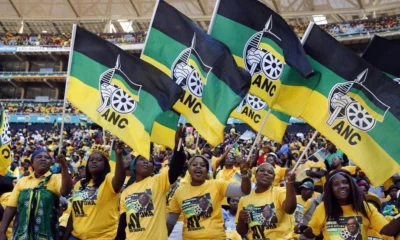
The African National Congress (ANC) faces its worst local election performance in history, marking the end of a steady decline over the past decade. The party’s support has dropped from around 54% in the 2016 local government races to 46% in 2021already a record low. In the recent national poll, the ANC secured only 40.2% of votes, a striking decrease of nearly 10 percentage points from the last local contest.
Nationwide Results and the Growth of Hung Councils
Despite suffering these setbacks, the ANC remains South Africa’s largest party. Electoral Commission results show it achieved outright majorities in 53 municipalities and led in 128. However, the number of hung councils rose sharply to 142, compared to 70 in 2021. This indicates a fragmented municipal landscape, requiring more coalitions for stable governance.
Voter turnout hovered around 52% of the country’s 29.2 million registered voters, underscoring civil engagement despite shifting allegiances.
Administrative Hurdles Undermine Campaign
The ANC’s campaign was marred by an embarrassing administrative setback. The party missed the official deadline for submitting its councillor candidate lists to the IEC, resulting in the Constitutional Court reinstating 181 candidates. This incident raised questions about the ANC’s organisational readiness and disciplinetraits traditionally expected of a ruling party.
Urban Metros: A New Battleground
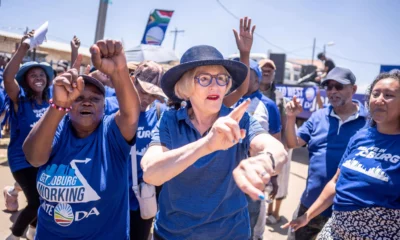
Major cities delivered the sharpest blow to ANC dominance. Urban centres, long grappling with persistent complaints over service delivery and repeated coalition failures, charted a new path. The ANC did not finish first in six of the eight metropolitan municipalities. The Democratic Alliance (DA) surged ahead in five metros, while the newly prominent MK Party led in eThekwini. Buffalo City was the ANC’s one metro lead, though it still fell short of an outright majority.
In Gauteng, the DA led Johannesburg, Tshwane, and Ekurhuleni in provisional counts, a significant shift since the DA had not previously controlled these metros outright. Johannesburg, in particular, saw the ANC drop to third place after receiving 33.6% in 2021. In Tshwane, ActionSA rose as the primary DA challenger.
Cape Town defied the coalition trend, delivering the only outright single-party majority in a metro, again to the DA. Across the Western Cape, the DA captured 53.7% of ward votes, while the ANC lagged far behind at 14.6%.
Urban-Rural Divide Grows Sharper
The party’s traditional base now lies well outside the nation’s urban centres. In provinces such as Limpopo, the ANC maintained stronger numbers, polling 54% on the ward ballot. The Eastern Cape was another relative stronghold with 45.2%. Overall, the ANC’s rural support remained more resilient, but this came as its appeal in citiesthe nation’s economic and political pulseeroded significantly.
Coalition Negotiations Loom
With no party able to govern independently in most councils, coalition politics are set to define the immediate future of South African local government. Seven of eight metros now require agreements between parties to install mayors and run effective administrations. However, coalition governance has previously led to instability, especially in cities like Johannesburg and Tshwane, where council motions of no confidence and shifting allegiances have upended governance repeatedly.
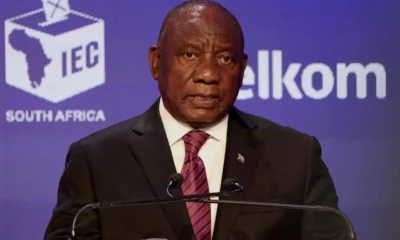
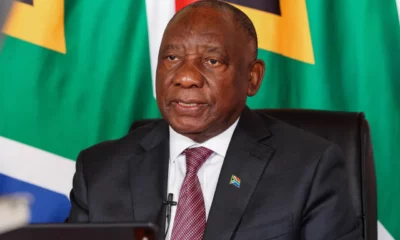
President Cyril Ramaphosa has emphasised the importance of stable negotiations as parties embark on dealmaking. Municipal councils remain vulnerable to sudden changes, since a single vote of no confidence could topple hard-won coalitions.
Implications for the Future
The breakdown in the ANC’s urban base signals a longer-term shift in the country’s political landscape. While motives are difficult to infer bluntly from vote patterns, declining support has coincided with persistent service delivery failures and coalition collapses in numerous municipalities.
Government has responded to chronic instability by drafting reforms like the Municipal Structures Amendment Bill. Analysts argue that further political fragmentation, especially in cities, will demand new forms of cooperation and governance to address the needs of residents impacted by service disruptions and leadership turmoil.
Voter Focus: From Winners to Governance
The next cycle of elections may prove even tougher for parties unable to sustain stable administrations. For many voters, the focus has shifted from which party secures the most votes to which can actually deliver effective governance. This sets a demanding stage for the run-up to future polls, both national and local.
Follow Joburg ETC on Facebook, Twitter, TikTok and Instagram
For more News in Johannesburg, visit joburgetc.com
Source: iol.co.za