News
DA Faces Resistance in Coalition Talks for City of Johannesburg Governance
As coalition talks heat up in Johannesburg, the DA faces resistance from ANC and ActionSA over governance of the city. Explore what’s at stake for each party.
Emerging Coalition Dynamics in Johannesburg
Following the 2026 elections, speculation has mounted about the potential composition of coalitions that could govern Johannesburg. Analysts suggest two main paths could materialise: a coalition led by the ANC or one headed by the DA. However, recent developments point toward a significant challenge for the DA as other parties openly discuss alternative pacts.
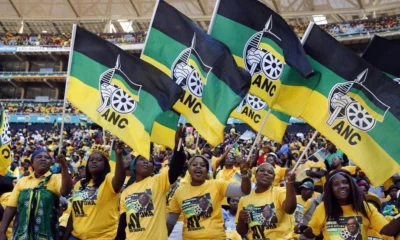
A potential alliance appears to be forming between the ANC and ActionSA. Such a partnership, if realised, could intensify a political struggle over the city’s control, especially regarding the terms laid out by the GNU coalition at the national level. The DA, together with eight other parties, currently forms part of the ANC-led GNU and may argue that these national arrangements should extend to the City of Johannesburg. However, similar appeals have previously been resisted, notably by Gauteng premier Panyaza Lesufi, who excluded the DA from his provincial coalition in 2024.
Firm Stances and Key Players
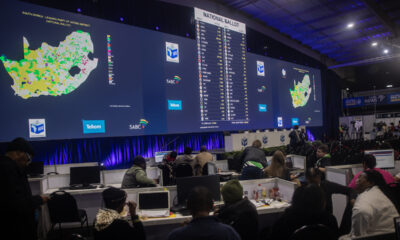
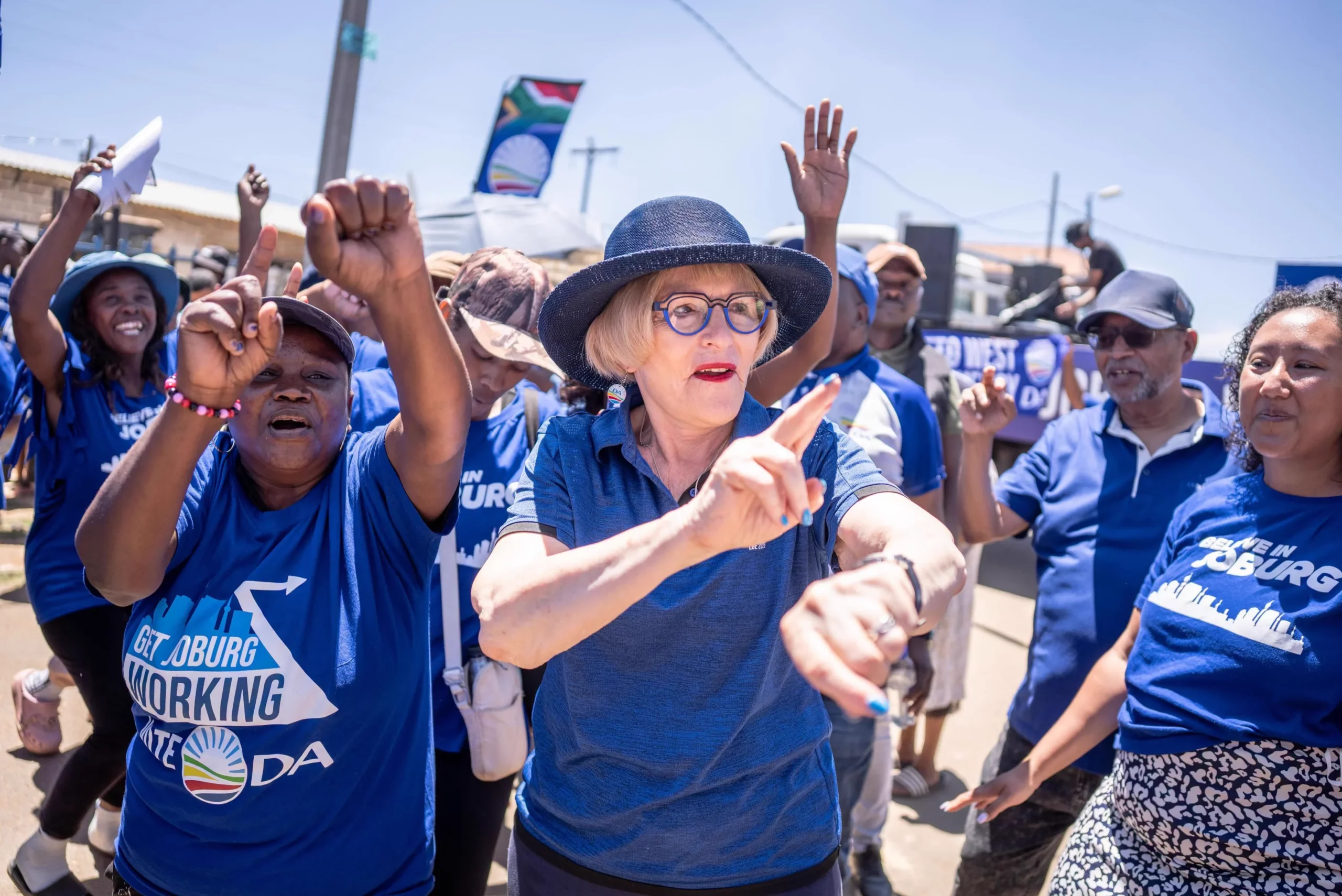
The DA’s leadership in Johannesburg remains vocal about its willingness to engage in coalition talks. Helen Zille, the party’s mayoral candidate, has expressed an openness to explore power-sharing optionsbut only if such arrangements ensure that the DA retains a strong hand in governance and leadership roles within the metro. At the national results centre in Midrand, Zille declared the DA would rather take on the role of opposition than compromise its governing effectiveness.
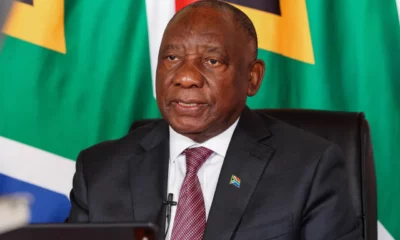
The ANC, however, has indicated a clear reluctance to form an alliance with the DA at the city level. An insider from the ANC’s Johannesburg branch stated:
“We would hate to align with the DA. The DA is not our friend, it is not a friend of the poor.”
Despite acknowledging the necessity of coalition government to lead Johannesburg, the ANC has excluded the DA from its preferred list of partners, instead aiming to create a local unity coalition with other parties.
ActionSA’s Position
Meanwhile, ActionSA’s Herman Mashaba has ruled out cooperating with Helen Zille, stating that she “must go back to Cape Town.” Mashaba, who played a pivotal role in building ActionSA, emphasised a desire to avoid the party being sidelined again. With both ActionSA and the ANC excluding the DA from coalition considerations, the path is being paved for a deal possibly involving the Economic Freedom Fighters (EFF) to take charge of the city’s administration.
Mashaba pointed to a productive partnership between ActionSA, the ANC, and the EFF in Tshwane, crediting the coalition with improving service delivery. He further criticised the DA’s prior tenure in Johannesburg, referencing the water crisis in Hammanskraalan outcome he attributed to what he described as the DA’s focus on wealthier suburbs.
DA’s Approach: Service Delivery Over Positions
Solly Msimanga, the DA’s Gauteng leader, emphasised that the party’s priority in coalition discussions is the framework for service delivery before negotiating governance positions or power-sharing. This tone signals an intention to ensure functional administration remains at the forefront of conversations, even as political manoeuvring takes centre stage.
Looking Ahead: Implications for Governance
The fierce debate around coalition arrangements highlights broader tensions in South Africa’s maturing democracy. The outcome will determine not just which partyor coalition of partiescontrols Johannesburg, but also how city governance addresses pressing issues such as service delivery, inclusion, and leadership stability.
- Coalition governments are increasingly the norm in South African cities, reflecting a highly competitive multi-party landscape.
- Stability in metropolitan governance often hinges on successful negotiation and willingness to compromise among diverse political groups.
- Residents of Johannesburg will closely watch the outcome, as it will shape policies that affect daily life, infrastructure, and long-term city development.
With coalition talks ongoing and various parties drawing clear red lines, the governance direction for Johannesburg remains uncertain. As parties stake their positions, the final arrangements will be key to determining whether the city experiences a period of stability and effective service deliveryor faces further political turbulence.
Follow Joburg ETC on Facebook, Twitter, TikTok and Instagram
For more News in Johannesburg, visit joburgetc.com
Source: citizen.co.za