News
Low Voter Turnout and Apathy Threaten South Africa’s Democracy, Say Analysts
Political analysts warn low voter turnout and growing apathy undermine South Africa’s democracy and legitimacy of elected governments after the 2026 elections.
Low Participation Sparks Democratic Concerns
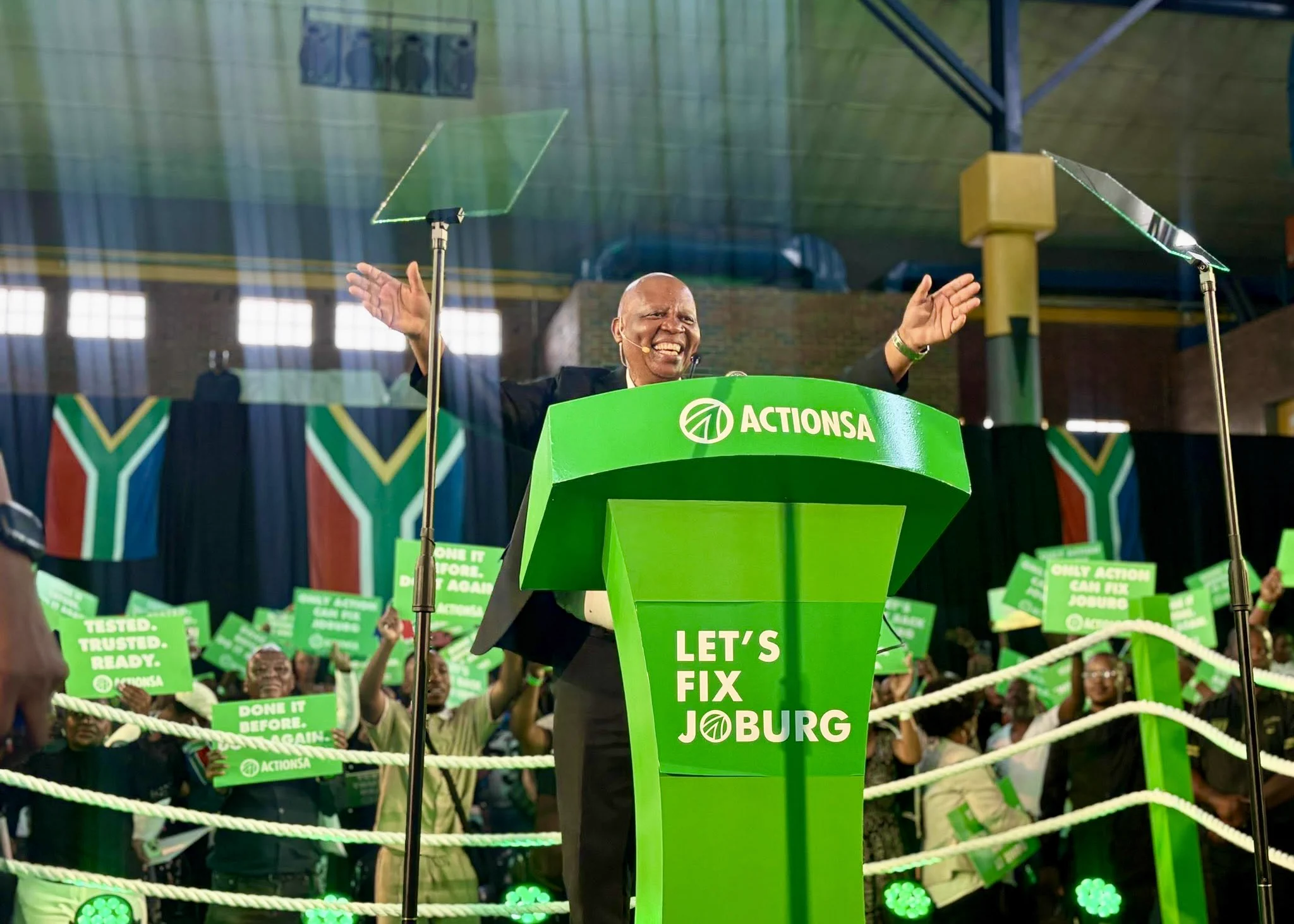
South Africa’s recent local government elections have reignited debate about the health and legitimacy of its democracy after millions of eligible voters stayed away from the polls. Political analysts caution that low turnout and rising political apathy, combined with an increasingly fragmented political landscape, pose serious risks for representative government and political stability across the country.
Voter Frustration and Loss of Faith
One of the leading concerns among experts is the growing frustration and disillusionment felt by many voters. According to political analyst Goodenough Mashego, many South Africans have lost faith in established political parties and doubt that voting will improve their circumstances. This has led to a withdrawal from electoral participation, with some citizens unable to identify candidates or parties they trust. The persistence of corruption allegations and governance failures has further fueled this sense of apathy, persuading some to abstain from voting entirely.
The Numbers Behind the Decline
In the latest elections, approximately 14.9 million people voted from a pool of 29 million registered voters. Yet, the potential voting population was estimated at 38 million adults, spotlighting a significant issue: roughly 52% of eligible voters ended up determining the leadership for the other 48% over the next five years.
“Millions of eligible voters staying away from the polls could undermine the legitimacy and representativeness of elected governments,”
Mashego warned. When just over half of those eligible to vote shape the country’s government, the resulting leadership may lack the full confidence of the public.
Challenges Beyond Frustration
Political disengagement is not explained by frustration alone, according to analysts. Inadequate voter education and a lack of viable alternatives also contribute to diminished participation. Some voters feel their choices are limited or unappealing, while others may not fully understand the importance of their vote or the implications for governance.
Is the System Failing?
Political analyst André Duvenhage points out that, while local government elections typically draw fewer voters than provincial or national contests, the recent turnout was slightly improved from previous years. Still, a significant divide remains between registered and eligible voters, raising questions about who truly shapes South Africa’s future.
“You can argue 15 million people are effectively speaking on behalf of between 37 million and 39 million eligible voters. This is extremely problematic because it reflects the level of interest in politics,”
Duvenhage said. He notes that high levels of apathy, and in some cases political illiteracy, may keep voter participation stagnant.
The Rise of Coalition Governments
Low turnout, paired with a fragmented political arena, is making it more likely for no single party to secure a decisive majority. This dynamic has elevated the role of coalition governance, especially in major metropolitan areas, as parties are compelled to form alliances to assume power. While Duvenhage does not believe coalitions inherently undermine the will of voters, he acknowledges that political fragmentation complicates the formation of stable, effective governments.
Calls for Electoral Reform
In response to ongoing instability, Duvenhage suggests it may be time to reform the electoral system. He argues for the introduction of an electoral thresholdpotentially between 1% and 2%to limit the proliferation of smaller parties, which can make stable coalitions difficult to sustain. He also calls for updated regulations, longer negotiation periods, and measures to limit no-confidence motions, all meant to foster lasting political agreements and stability.
Representative? Or Only for the Few?
Another analyst, Sandile Swana, raises concerns that South Africa’s elections are failing to keep pace with population growth. The number of active voters has remained stagnant since 2016, so the views of a minority may now be presented as the majority’s will.
“Those who are diligent about voting can elect a government and claim to represent the majority, while, in reality, they may represent only a minority of the population,”
observes Swana.
The Broader Implications
The consequences of low engagement ripple through every level of government. When elected officials are chosen by a shrinking pool of voters, questions inevitably arise about the legitimacy and responsiveness of those governments.
Analysts agree that reversing this trend will require more than technical changes.
- Voter education must improve to help citizens understand what is at stake.
- Political parties will need to rebuild public trust and demonstrate they can deliver on promises.
- Broader electoral adjustments may be needed to ensure the system is reflective and representative.
Conclusion: Democracy’s Fragile Ground
The health of South African democracy appears increasingly fragile as political apathy and low turnout threaten the legitimacy of its institutions. While coalition governments and party negotiations are becoming more common, experts caution that true representation depends on the willingness of citizens to engage, participate, and believe in the democratic process. Ensuring robust participation remains an urgent priority if the country is to maintain a democratic system that fairly represents all its people.
Follow Joburg ETC on Facebook, Twitter, TikTok and Instagram
For more News in Johannesburg, visit joburgetc.com
Source: citizen.co.za