News
UNEP warning: crossing 1.5°C would deepen heat, drought and food pressures for South Africa
A UNEP report says global temperatures are likely to exceed 1.5°C soon, raising risks for South Africa’s water, agriculture, infrastructure and vulnerable communities.
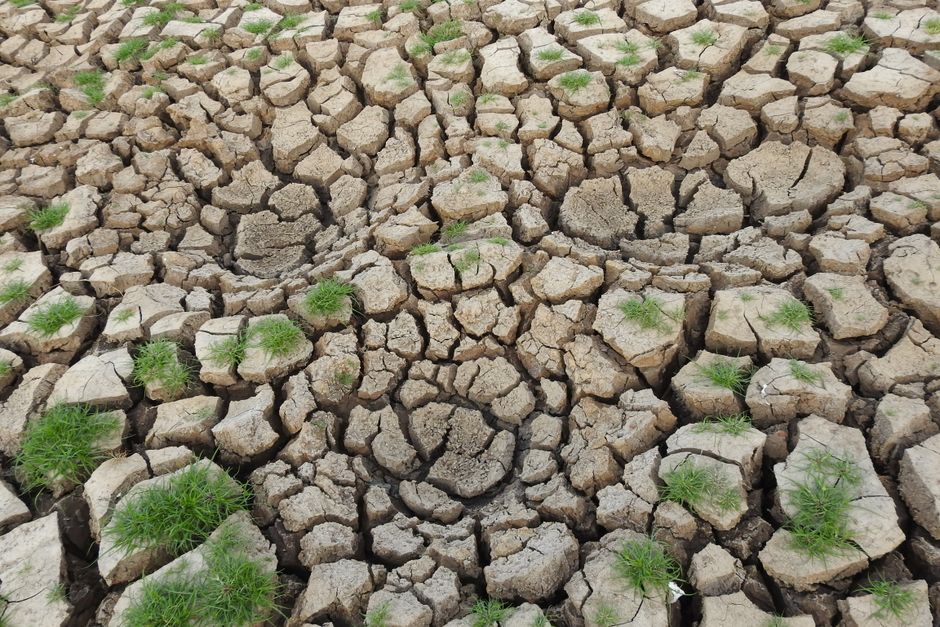
A new United Nations Environment Programme (UNEP) report warns global temperatures are likely to exceed 1.5°C within the next few years, a shift that would increase pressure on South Africa’s water, agriculture, infrastructure and vulnerable communities.
What the UNEP report says
The report, released on September 2, says the most optimistic scenario would see global temperatures peak at about 1.8°C above pre-industrial levels, while other scenarios result in higher peaks. UNEP says that once temperatures move above 1.5°C, climate risks and impacts increase with every additional fraction of a degree and every year spent at higher temperatures.
UNEP lists potential consequences including more extreme weather, damage to ecosystems, threats to food security and water supplies, and growing risks to human health, infrastructure and economies.
South Africa is already feeling the effects
President Cyril Ramaphosa told a special session of the Presidential Climate Commission in February that “South Africa is already experiencing the effects of climate change,” and warned those effects were “predicted to increase rapidly” towards the end of the decade and beyond. He said the country needed to climate-proof development and infrastructure while strengthening resilience and disaster-management capabilities.
Heat, drought and water pressure
The Department of Agriculture, citing the South African Weather Service’s August 31, 2026 Seasonal Climate Watch, said El Niño conditions were expected to continue through the 2026/27 summer season and that the outlook showed many areas facing below-normal rainfall during summer.
The department noted that in South Africa, El Niño is usually associated with lower-than-normal rainfall coupled with high temperatures. It warned that below-normal rainfall and high temperatures can result in dry conditions and heat stress, which can contribute to crop failures and livestock deaths. The department also said low rainfall can result in water restrictions, affecting irrigation farmers.
Advice for farmers
The Agriculture Department is advising farmers to conserve soil moisture, use climate-smart farming practices and select cultivars capable of withstanding dry and hot conditions. It has also urged livestock farmers to avoid overstocking and to manage grazing carefully as dry conditions take hold.
Infrastructure and the wider economy
UNEP warns that higher warming will bring increasingly severe climate impacts, including extreme weather and damage to cities and infrastructure. The implication for South Africa, the report and national leaders say, is that roads, bridges, water systems, settlements and other infrastructure will need to be designed and maintained with greater climate risks in mind.
What an overshoot means
The UNEP report stresses that the 1.5°C figure refers to the global average temperature compared with the pre-industrial period and that different regions will experience different changes. Rather than saying the climate battle is lost if 1.5°C is exceeded, the report describes an “overshoot, peak and decline” pathway in which global temperatures rise above 1.5°C, reach a peak and then decline towards, and potentially below, the threshold. UNEP says the lower the peak and the shorter the period of overshoot, the lower the risks to people, economies and ecosystems.
UNEP Executive Director Inger Andersen: “no good outcomes” from remaining above 1.5°C.
The report calls for countries to accelerate emissions cuts while strengthening resilience and adaptation.
What this means for South Africa
According to the UNEP report and national statements, South Africa must continue to reduce greenhouse gas emissions while preparing for the climate impacts already occurring. That includes more resilient infrastructure, stronger disaster preparedness, better early-warning systems, climate-smart agriculture and careful management of scarce water resources.
Follow Joburg ETC on Facebook, Twitter, TikTok and Instagram
For more News in Johannesburg, visit joburgetc.com
Source: iol.co.za