Motoring
Sharp fuel price rises expected from Wednesday as CEF data points to big petrol and diesel increases
Unaudited Central Energy Fund data points to large petrol and diesel increases from Wednesday, Sept 2; official adjustments due from the Department of Mineral and Petroleum Resources.
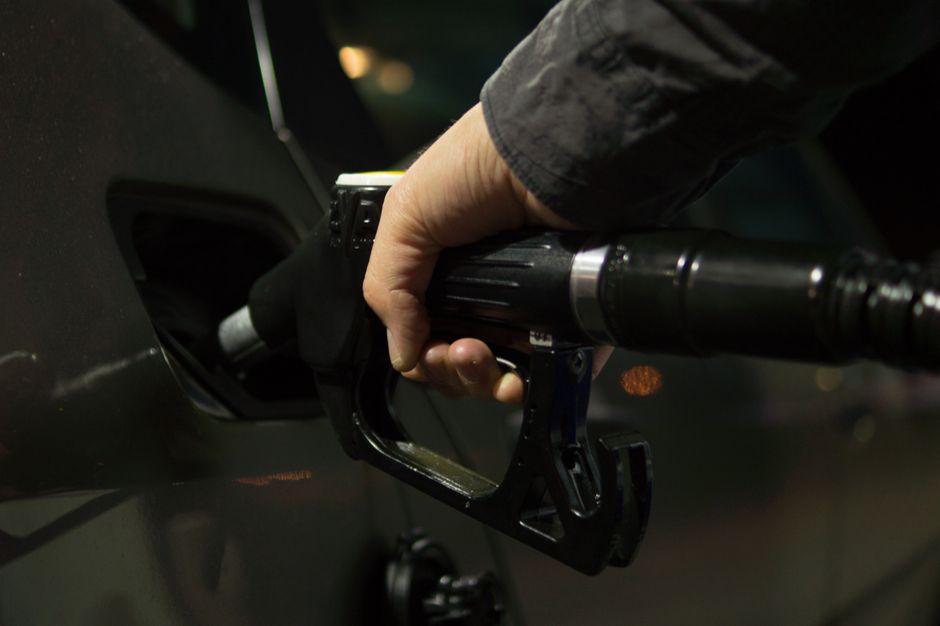
Fuel prices in South Africa are forecast to rise sharply from Wednesday, 2 September, according to unaudited month-end data from the Central Energy Fund (CEF). The CEF figures point to large increases for both petrol and diesel, with official adjustments to be announced by the Department of Mineral and Petroleum Resources early this week.
How much more motorists may pay
CEF month-end data shows projected increases of around 96 cents for 93 Unleaded and R1.07 for 95 Unleaded. The outlook is steeper for diesel, with the CEF indicating a possible rise of about R2.71 for 500ppm and R2.92 for 50ppm. Illuminating paraffin is indicated to be set for an increase of around R2.12.
Official announcement and levies
These projections are based on unaudited CEF data; the Department of Mineral and Petroleum Resources will publish the official adjustments early this week. The current Slate Levy, which the article says stands at 61 cents, could also affect final calculations. The Slate Levy is described as compensating oil companies for international price fluctuations in the preceding month.
Price volatility so far in 2026
The article highlights 2026 as a volatile year for South African fuel prices. Between March and August, 95 Unleaded rose by R5.24, while the wholesale price of diesel increased by R7.60 over the same period. Current retail and wholesale levels cited are:
- 95 Unleaded: R25.30 at the coast and R26.17 inland
- 93 Unleaded: R25.42
- Wholesale 500ppm diesel: R25.29 at the coast and R26.16 inland
The article notes earlier adjustments in August: both grades of petrol decreased by 52 cents per litre at the beginning of August, while diesel increased by between R1.23 (50ppm) and R1.38 (500ppm). It also records price peaks this year: petrol peaked at R27.19 in June, and diesel reached a high of R30.30 in May.
International factors pushing prices
CEF and market commentary link the expected increases to ongoing conflict in the Middle East, which has put international oil prices under pressure. The article says international oil markets have been volatile since the US-Israeli war with Iran began in late February, and that the critical Strait of Hormuz was mostly shut to shipping traffic.
Oil prices remain well above pre-war levels of around $70 per barrel. During August, Brent crude traded around the $90 mark for most of the month, which is still substantially lower than earlier highs of roughly $126 reached earlier in the year.
Market outlook from JP Morgan
The article cites JP Morgan Global Research projections that Brent crude could average $86 per barrel in the third quarter of 2026, before easing to $80 in the fourth quarter and $78 by the end of the year. JP Morgan is reported to have said the oil market had rebalanced as demand losses were larger than expected and draws from commercial inventories in OECD countries were smaller than anticipated. The bank mentioned China as an example of potential demand destruction and said long-term damage to oil production in the Gulf region was expected to be limited, while uncertainty over OPEC could complicate oil price forecasts.
What happens next
Motorists should expect the official fuel price adjustments to be published by the Department of Mineral and Petroleum Resources early this week, at which point retailers will apply the confirmed changes.
Follow Joburg ETC on Facebook, Twitter, TikTok and Instagram
For more News in Johannesburg, visit joburgetc.com
Source: iol.co.za