News
57 Cases Registered on Voting Day as 21 Politically Motivated Murders Recorded During Election Period
South Africa’s 2026 Local Government Elections saw 57 criminal cases on voting day and 21 politically motivated murders during the election period, police report.
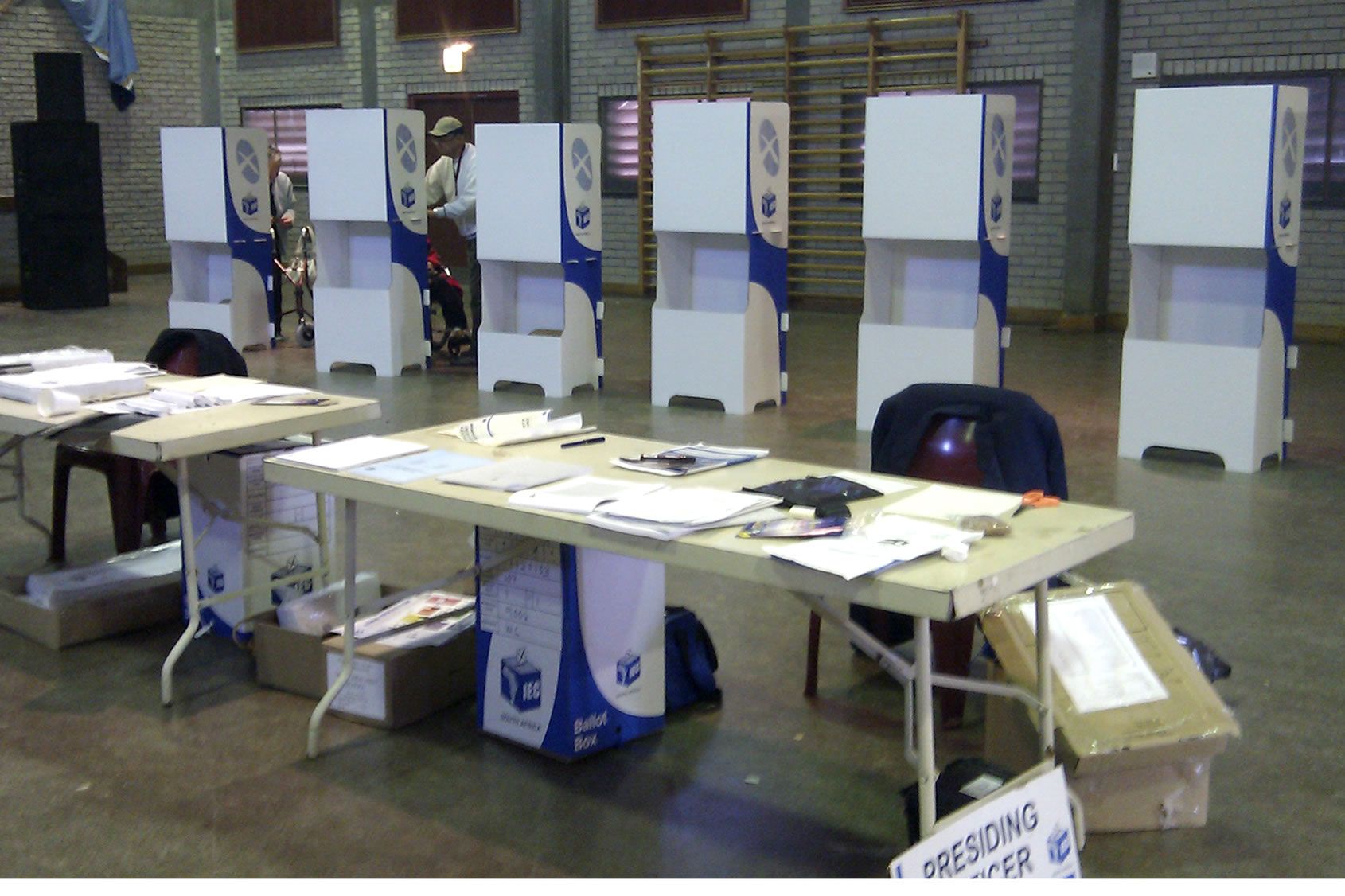
Criminal Cases Registered on Voting Day
Police registered 57 criminal case dockets on voting day during South Africa’s 2026 Local Government Elections. According to the National Joint Operational and Intelligence Structure (NATJOINTS), these figures reflect law enforcement’s functioning during a period often marked by heightened tensions and concerns over public safety.
Law Enforcement Activities and Arrests
The details were shared by NATJOINTS Chairperson Lieutenant-General Tebello Mosikili at a security briefing at the National Results Operations Centre in Midrand. On 4 November, 85 incidents were reported countrywide, which led to the opening of 57 criminal cases and the arrest of 27 suspects.
The criminal dockets included:
- 32 cases involving alleged contraventions of the Electoral Act
- Assault
- Intimidation
- Malicious damage to property
- Theft
- Crimen injuria
- Drunk and disorderly conduct
- Public violence
- Business burglary
- Fraud
Lieutenant-General Mosikili emphasized the importance of law enforcement visibility and swift action, stating that the arrests underline government’s resolve to protect the integrity of the electoral process.
“These interventions reinforce a clear position that the electoral environment is protected by the rule of law, and intimidation, violence, electoral misconduct and criminality will not be tolerated,”
she said.
Regional Statistics: Case Distribution and Arrests
KwaZulu-Natal emerged as the province with the highest number of cases on voting day, recording 15. This was followed by Limpopo with 11, the Eastern Cape with 10, and Gauteng with eight. The Western Cape recorded four cases, Mpumalanga and North West three each, the Free State two, and the Northern Cape one.
When it comes to arrests on voting day, Gauteng led with seven suspects taken into custody. KwaZulu-Natal followed with six, with Limpopo and the Eastern Cape each having four. Mpumalanga recorded three arrests, Free State two, and Northern Cape one. No arrests were reported in North West and the Western Cape at the time of the briefing.
21 Politically Motivated Murders Recorded
The security briefing also brought to light a pressing concern: 21 murder cases classified as politically motivated during the election period have been registered. These cases underline the ongoing challenges surrounding the intersection of politics and violence in South Africa’s electoral landscape.
The incidents include, among others, the murder of a member of the MK Party in KwaZulu-Natal, and a fatal shooting of a 57-year-old man in Bushbuckridge, Mpumalanga on 5 November. In Limpopo, a 31-year-old was fatally stabbed near Polokwane, with a 35-year-old suspect arrested promptly. On voting day itself, another murder occurred in KwaZulu-Natal when a man was attacked and killed while walking home. Police are addressing murder cases that occurred both outside of voting stations and outside of polling hours during the period.
Other Reported Deaths
In addition to murders, two deaths were reported since Monday: an elderly woman collapsed and died after arriving at hospital in Shallcross, KwaZulu-Natal, and an Independent Electoral Commission (IEC) official died in Buhrmansdrift, North West, following a similar incident on 2 November.
Special Voting Period: Additional Cases and Arrests
The volume of crime was not restricted to the main voting day. During the special voting period of 2 and 3 November, police registered 65 case dockets, resulting in 32 arrests. Once again, KwaZulu-Natal recorded the highest number with 16 cases, with Limpopo following at 13. The Eastern Cape and Western Cape each had eight, Gauteng seven, Mpumalanga five, and the Free State and North West four each. The Northern Cape had no reported cases during special voting.
Arrests during this period were highest in Limpopo (11), with KwaZulu-Natal following at eight. Mpumalanga made four arrests, the Eastern Cape and North West three each, and Gauteng three. The Free State and Western Cape reported no arrests during this period.
In total, 59 suspects were arrested between special voting days and voting day itself.
Security Operations and Election Protection
Coordinated security deployments across the country ensured that, despite incidents, voting took place in a largely safe environment with minimal disturbances. Authorities paid special attention to 331 high-risk voting stations in four provinces: 165 in KwaZulu-Natal, 119 in Gauteng, 33 in the Western Cape, and 11 in Mpumalanga.
Operational, logistical, and service delivery issues at voting stations were managed by law enforcement to keep the voting process moving. Planned marches and protests did not materialise on voting day, and interventions took place at stations where alleged electoral transgressions or other incidents were reported. In one case, police acted upon a situation involving a party-branded vehicle at a voting station in KwaZulu-Natal, and collaborated with the IEC when officials were allegedly implicated in electoral breaches.
Commitment to Enforcing the Rule of Law
Lieutenant-General Mosikili’s message was unwavering:
“No individual is above the law.”
Law enforcement will pursue any electoral violations or criminal conduct, regardless of the offender’s identity or position.
The work doesn’t stop after balloting. As ballots continue to be counted and results processed across the country, security measures persist. Protecting voting materials, safeguarding results operations, and upholding the integrity of the overall process remains a top priority for NATJOINTS.
Election Process: Maintaining Security and Integrity
Mosikili highlighted ongoing operational responsibilities, including continued security deployments as results are reconciled, verified, and captured. The commitment is clear: law enforcement will maintain its security efforts until the official conclusion of election activities.
“The democratic rights of South Africans must be protected, the integrity of the electoral process must be upheld, and the authority of the State must be asserted through lawful, visible and decisive action,”
Mosikili added, underscoring the importance of stability during a critical period in South Africa’s democracy.
Follow Joburg ETC on Facebook, Twitter, TikTok and Instagram
For more News in Johannesburg, visit joburgetc.com
Source: iol.co.za