News
Debate Over South Africa’s Huge Ballot Papers Reignites Calls for Electoral Reform
South Africa’s sprawling ballots prompt renewed debate over electoral reform, with experts and politicians split on the role of small parties and calls for thresholds.
Enormous Ballots Highlight a Pressing Debate
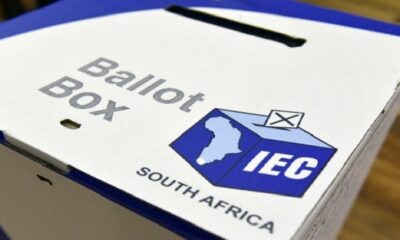
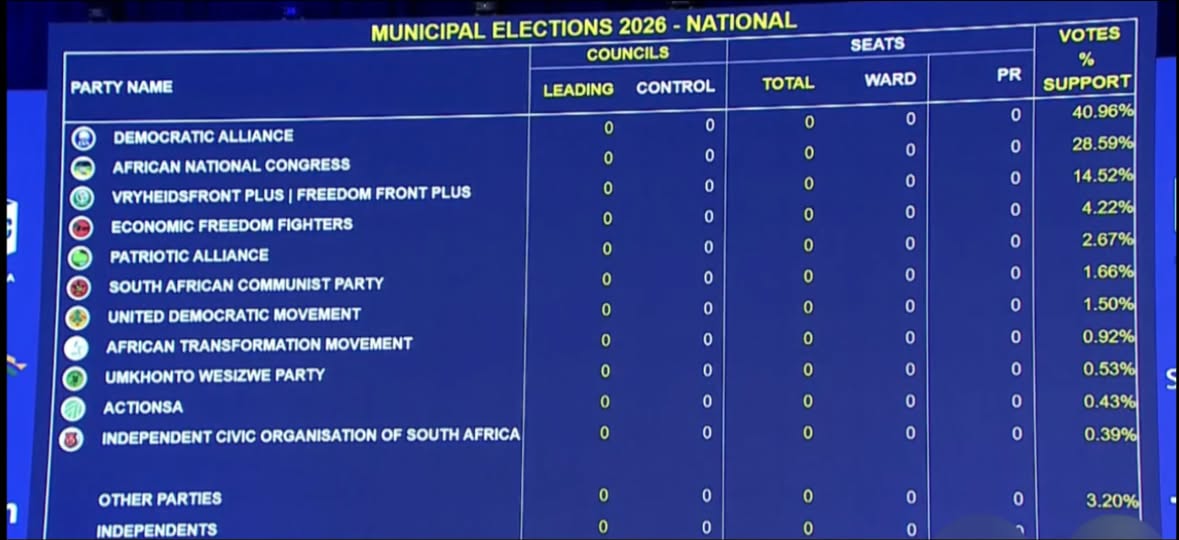
The sight of sprawling ballot papers in South Africa’s 2026 local government elections has sparked a familiar but urgent debate do the multitude of small political parties enrich democracy, or do they make elections more confusing and complicate governance? With dozens of parties contesting, voters faced some of the largest ballots seen, leading to questions about whether reforms are necessary to ensure a more manageable and stable electoral process.
Complexity and Concerns: Too Many Parties, Too Little Clarity?
Political analysts and public representatives are divided over whether the proliferation of parties is a democratic boon or an administrative burden. Some suggest that the sheer number of options can lead to voter confusion and increase the likelihood of errors during voting and counting. This also puts significant pressure on the electoral administration, adding layers of complexity for the Independent Electoral Commission (IEC).
“We have so many political parties and candidates that the system has become unnecessarily complicated,”
commented political analyst Theo Neethling, who suggests it’s time for electoral reform. He advocates for a five percent threshold for parties to qualify for representation, contending that such a measure could simplify the process without altering outcomes meaningfully.
Calls for Thresholds: Solutions to Fragmented Councils?
Thresholds minimum percentages of votes required for parties to enter legislative bodies are common internationally. Supporters argue that introducing them in South Africa might streamline ballots and reduce the proliferation of smaller parties with little support. Mike Waters, a DA provincial legislator and Ekurhuleni campaign manager, described the current ballot as “ridiculous”, arguing that thresholds would discourage parties with minimal chances from contesting in the first place.
Waters cited Ekurhuleni as an example, where seven parties each secured a single council seat in a previous election, resulting in what he described as a council “held hostage” by small parties. In his view, such fragmentation threatens stability and frustrates the electoral mandate of larger parties. Thresholds of one or two percent were suggested as a possible remedy to this splintering.
International Comparisons and Possible Reforms
Electoral thresholds are not new globally. For instance, Germany has a five percent threshold for federal elections, although some exceptions apply. Such thresholds work by determining which parties qualify for representation, while deposits and registration requirements set barriers to contesting in the first place.
However, higher thresholds may not automatically result in significantly shorter ballot papers. Only stricter nomination requirements or higher deposits would directly reduce the number of contesting parties.
Democratic Trade-Offs: Are Small Parties Vital?
For every call for reform, there are voices warning against making the process less inclusive. ActionSA’s Michael Basch argues that the openness of South Africa’s electoral system including access for independent candidates and small parties is a sign of democratic strength. Basch believes that having more parties gives voters greater choice, and helps prevent dominance by just a couple of major parties.
“The strength of our democracy is that we are open to independent candidates and smaller parties. It gives voters a wider choice and prevents us from becoming a political system dominated by just two parties,”
Basch said.
Basch also suggests that, while ballot papers may appear crowded in the short term, many small parties naturally fade away after unsuccessful campaigns. The financial and logistical challenges of sustaining a political organization mean only a few persist. He believes the real threat to democracy is falling voter turnout, not the number of options on the ballot, with even small party participation potentially boosting overall engagement.
Alternative Reform Suggestions
Other analysts have suggested less drastic solutions, such as a two percent threshold with increased nomination deposits. These measures would require parties to demonstrate more substantial initial support or risk losing their deposits while treating independent ward candidates more leniently. This approach, some argue, would respect the unique role of independent candidates as local representatives, rather than “party animals” acting for larger organizations.
Looking Ahead: Balancing Choice and Practicality
South Africa’s debate over electoral reform is unlikely to abate soon, especially with the pressures and complexities witnessed during the current elections. The central question remains whether policies can reduce administrative burdens and coalition instability, without sacrificing the diverse representation that underpins democratic ideals.
As the electoral process continues to evolve, experts and politicians appear to agree on one thing: reforms must carefully weigh the value of inclusivity against the need for effective governance and clear choices for voters.
Follow Joburg ETC on Facebook, Twitter, TikTok and Instagram
For more News in Johannesburg, visit joburgetc.com
Source: citizen.co.za