News
Civil society accuses government of inaction as anti-migrant violence and forced evictions intensify
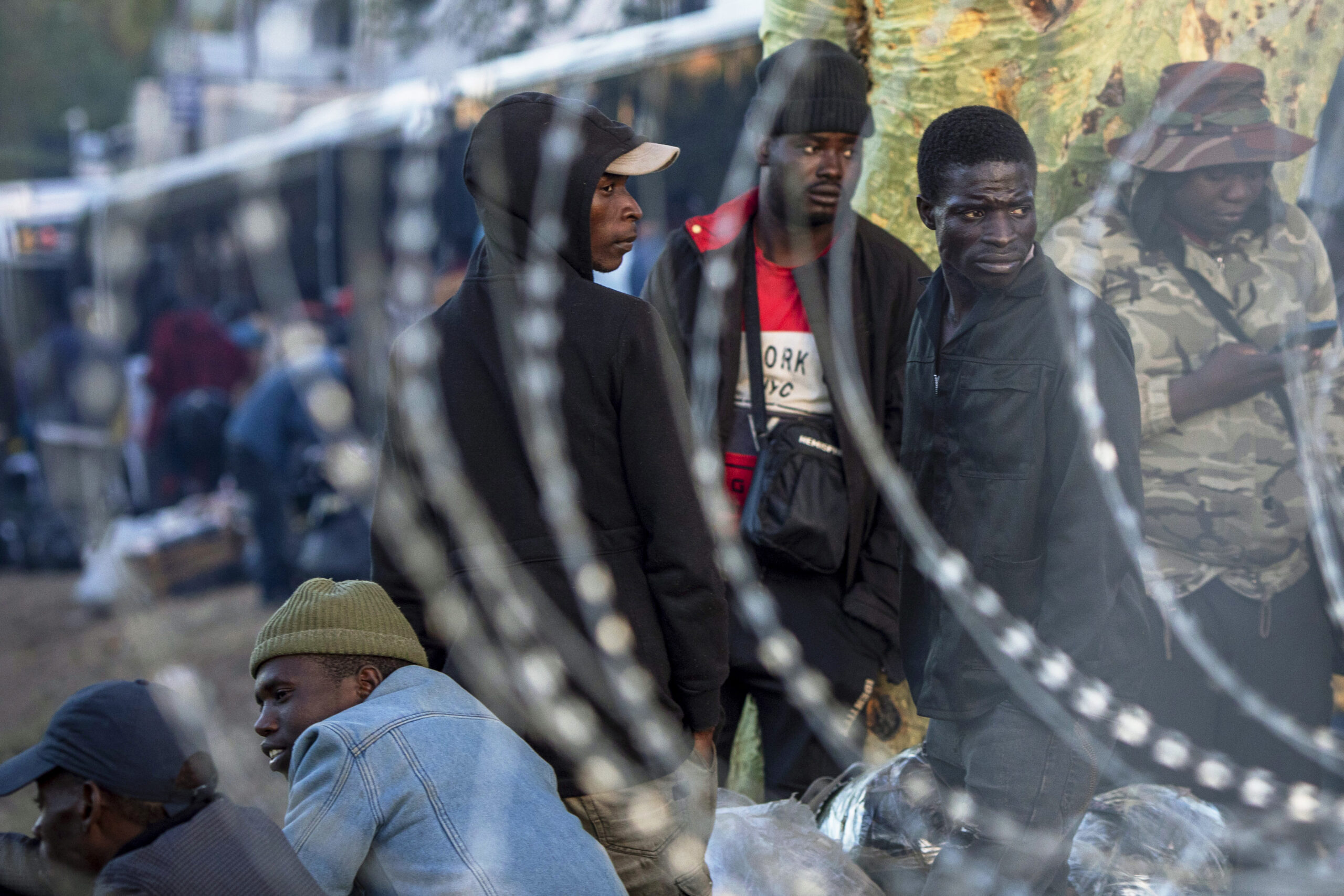
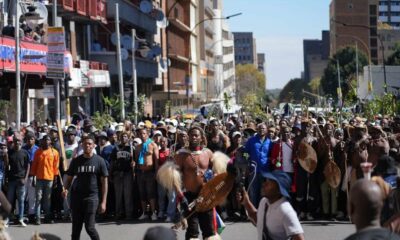
Civil society organisations say the South African government has failed to stop a wave of anti-migrant hostility, forced evictions and displacement that began at the weekend of May 30 and escalated into wider violence by early June. The groups warn the failure to act has left hundreds of migrants and asylum seekers exposed to xenophobic attacks and homelessness.
Groups demand urgent intervention
Two coalitions Kopanang Africa Against Xenophobia (KAAX) and Siyafana Sonke Action Campaign have accused the state of ignoring a mounting humanitarian crisis. Siyafana Sonke has requested a meeting with the Presidency and the Justice, Crime Prevention and Security Clusters (JCPS), demanding an immediate end to the violence, illegal evictions and forced deportations targeting immigrant groups.
KAAX said the unrest has driven people into community halls, mosques, the mountains and nearby bush, and reported displacements across provinces, particularly in the Overberg region naming Gansbaai, Kleinmond and Bredasdorp as well as parts of KwaZulu‑Natal.
Calls for shelters, arrests and state accountability
Siyafana Sonke has demanded that authorities provide shelters, security and basic necessities for those displaced. The coalition also called for the arrest of leaders of movements that have organised anti-immigrant protests, including the March and March movement and Operation Dudula, saying those leaders have incited violence and committed crimes in public view.
“This can no longer continue unabated. They must be arrested, tried and held accountable for their violent actions. Their targeted attack on migrants serves as an ‘example’ to their large followings who have taken it upon themselves to form vigilante groups that, in some instances, have hacked, beaten and stoned people to death.”
KAAX spokesperson Mike Ndlovu warned that when local communities take immigration law into their own hands it often results in profiling, unfair targeting and rights violations. He said the question is not whether undocumented migration should be addressed, but whether it should be handled by lawful state institutions rather than vigilante action.
Government response and operational comments
Requests for comment elicited limited responses. Presidency spokesperson Vincent Magwenya did not respond. Home Affairs spokesperson Thulani Mavuso referred questions to the Government Communication and Information System (GCIS). GCIS spokesperson Nomonde Mnukwa said the questions should be sent to Magwenya and JCPS chief director Mava Scott.
Mava Scott told reporters that JCPS cannot discuss or share operational plans with third parties, and said government is engaging with continental counterparts and collaborating to manage repatriations “orderly and lawfully.”
Security planning and policing
Acting police commissioner Lieutenant‑General Puleng Dimpane outlined a security plan for planned demonstrations backed by a R600‑million budget. The measures include cancellation of operational and support leave, strategic deployments to high‑risk hotspots, and the use of drones and social media monitoring to deter violence.
Expert view and local reactions
An international relations expert, Professor Theo Neethling, described the situation as rooted in long‑standing governance challenges around border management and broader regional migration pressures. He said migration has become both a domestic and foreign policy dilemma for South Africa.
At a press briefing in Midrand, March and March leader Jacinta Ngobese‑Zuma rejected calls for her arrest, saying that if anyone must shoulder blame it is the South African government for failing to manage the illegal immigration crisis.
Human cost
KAAX said the most affected include women many reportedly pregnant children, older persons and other vulnerable groups, who continue to bear the greatest burden amid winter conditions. The organisation said many have lost homes, livelihoods and access to basic services while the state neglects its constitutional and legal responsibility to protect everyone within South Africa’s borders.
KAAX describes itself as a coalition of more than 60 organisations and Siyafana Sonke as a broad coalition of more than 160 civil society organisations, trade unions, civic structures and social justice activists.
Follow Joburg ETC on Facebook, Twitter, TikTok and Instagram
For more News in Johannesburg, visit joburgetc.com
Source: iol.co.za