News
Ramaphosa proposes ring-fencing municipal water and electricity revenue
Ramaphosa proposes ring-fencing water and electricity revenue for maintenance and broader local government reforms in a revised White Paper.
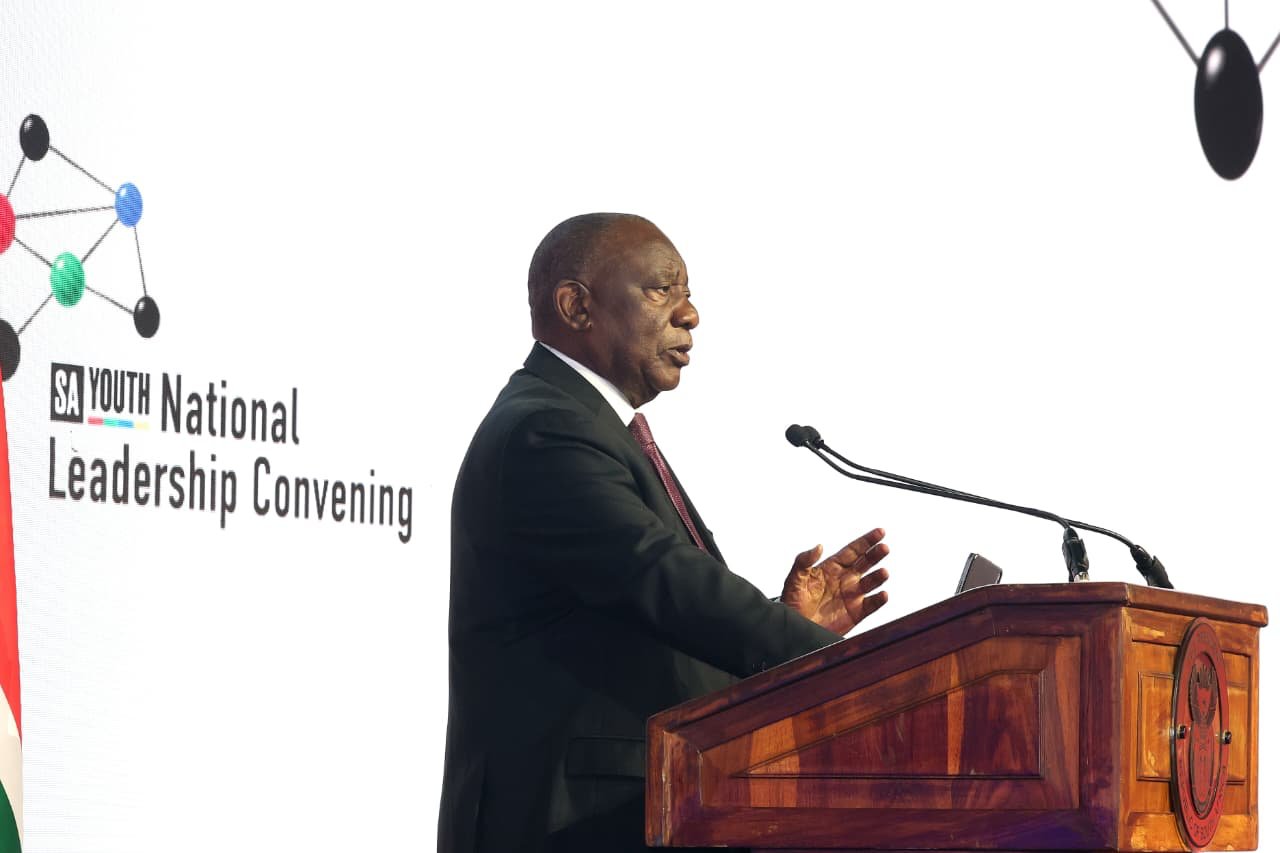
The revised White Paper, presented by Ramaphosa as a response to widespread municipal failures, also recommends changing which functions municipalities must perform, introducing compulsory licensing for service providers and separating the roles of service authority and service provider for water and electricity.
Why the White Paper is being revised
Ramaphosa said the current system requires “fundamental reform” to address several interlinked problems affecting local government: failing services, unsustainable municipal finances, corruption and weak administrative capacity. He warned that too many municipalities are not meeting communities’ needs and that infrastructure is deteriorating while administrations remain unresponsive.
“This White Paper represents a fundamental reassessment of how local government is structured, financed, managed and held accountable,” Ramaphosa said.
“This cannot continue,” he added, underscoring the urgency behind the proposed policy changes.
Ring-fencing utility revenue for maintenance
A central measure in the revised policy is that income from the sale of electricity and water must be reserved specifically for the maintenance of the infrastructure that delivers those services. The White Paper states that those revenues “will be ring-fenced and used to maintain infrastructure before anything else.”
Ramaphosa criticised a pattern of municipal investment that prioritises new projects while neglecting existing pipelines, electricity networks, roads and wastewater treatment plants. As he put it, “We cannot build our way out of failure if we do not maintain what we have already built.”
Changes to municipal roles and service delivery
The revised policy does not assume municipalities should automatically remain responsible for every function currently assigned to them. It proposes that where a municipality lacks the capacity, revenue base or scale to deliver a service effectively, responsibility could be assigned elsewhere for example at regional level or through partnerships and concession arrangements.
To strengthen oversight and organisation of services, the White Paper proposes distinguishing between the role of the service authority (which plans and regulates) and the service provider (which delivers). It also calls for compulsory licensing for all providers of water and electricity, a step described in the document as intended to improve regulation and municipal ability to deliver essential services.
Financial pressures and fiscal reform
The White Paper highlights the severe financial stress facing many municipalities. The national picture includes significant arrears: the report notes municipal debt to Eskom alone exceeded R120 billion, and many municipalities were described as being in arrears to water boards.
To address fragile finances, the policy recommends stronger financial management, improved revenue collection, reduced losses and spending that delivers value. It also recognises that municipalities differ significantly metropolitan and growing cities have different resources and needs from rural municipalities with limited revenue bases and calls for resources and responsibilities to be organised accordingly.
Accountability, professionalisation and community participation
The White Paper proposes professionalising municipal administrations, insisting that appointments should be made on competence rather than political considerations and that municipal officials be held accountable for their work. It also emphasises the role of councils in effective oversight.
“There must be consequences when public resources are stolen, procurement is manipulated or public duties are neglected,” Ramaphosa said.
The revised policy stresses that communities should be genuine partners in governance. Ramaphosa warned against token public participation and called for visible results from community engagement.
“Participation cannot be reduced to meetings where people speak but nothing changes,” he said. “Trust will not be restored by speeches. It will be restored when a reported fault is fixed promptly.”
Coordinated implementation and governance
Cabinet has endorsed a phased approach to putting the White Paper into practice. The plan sets up a time-bound Local Government Transition Management Body to coordinate reforms; this body will bring together the Department of Cooperative Governance, the Presidency and National Treasury. A single Local Government Transition Plan will map out what must change, which institutions are responsible, the order of implementation and how progress will be measured.
Ramaphosa said the transition body would not assume the lawful responsibilities of ministers, provincial governments, councils or municipal administrations. The White Paper notes that some reforms will require new legislation, revised financing arrangements and additional institutional capacity, and that constitutional amendments may also be considered where necessary.
National and provincial roles
The revised policy makes clear that municipal failure is not solely a municipal problem. National and provincial governments are expected to share responsibility where mandates overlap, investment is poorly coordinated or support arrives only once a crisis has emerged. The White Paper advocates treating local government as an integrated system and building on the District Development Model to coordinate work across government and state entities in districts and metropolitan areas.
Timing and political context
The launch of the revised White Paper comes ahead of the November 4 local government elections. Ramaphosa urged registered voters to participate and asked political parties to ensure post-election disputes do not disrupt municipal services. He emphasised that once elected, representatives have a duty that transcends party advantage.
“But once elected, they share an obligation greater than party advantage: to ensure that the municipality works,” he said. “Our people must never be held hostage by political instability.”
What this means going forward
The proposals in the revised White Paper mark a substantial rethink of how local government functions are organised, financed and overseen. If implemented as written, measures such as ring-fencing utility revenues, separating regulatory and delivery roles, compulsory licensing and targeted transfers of responsibilities could shift how municipalities budget, prioritise maintenance and engage with service providers.
Implementation will depend on coordinated effort across national, provincial and municipal institutions, plus legal and financial changes that the White Paper acknowledges may be required. The government’s phased transition process is intended to provide a roadmap for those steps.
Report
This article is based on the revised White Paper launch and reporting by Hope Ntanzi for IOL News.
Follow Joburg ETC on Facebook, Twitter, TikTok and Instagram
For more News in Johannesburg, visit joburgetc.com
Source: iol.co.za