News
Ekangala residents living in fear after contaminated water outbreak
Ekangala residents say contaminated tap water made them ill and left families dependent on costly bottled water after a Tshwane outbreak that sickened 408 people.
What residents are experiencing
Mojafi told reporters she experienced stomach cramps and sought medical attention twice. She said she first visited the Dark City community health clinic, where she received an injection and was advised not to use tap water for drinking. She later returned to the Ekangala clinic for a follow-up this week on Tuesday, after further symptoms including stomach cramps and concerns she described as consistent with a urinary tract infection.
“I feel like they did it on purpose. How do you let people consume what they are not supposed to consume? To me, I feel like they wanted to kill us somehow because you cannot let people drink the water that they are not supposed to take,”
Mojafi also said that at the time of the interview her grandmother was unwell.
Scope of the outbreak
A joint government statement cited by residents and local reports said the illnesses were recorded in Zithobeni, Bronkhorstspruit, Dark City, Rethabiseng and Sokhulumi, all within Tshwane’s Region 7. The statement noted that most of those affected were children under the age of four.
Daily life under strain
Households are facing immediate practical and financial pressures. Mojafi described her family as a household of seven in which no one is employed, and said buying bottled water for drinking had become a significant burden. “It’s straining because we are a family of seven. So, yeah, it’s a lot because 10 litres does not last us eight days,” she said.
Because they cannot afford to buy enough bottled water for all domestic needs, Mojafi said her household resorts to using purchased water only for drinking and continues to use tap water for cooking. She added that official warnings from the city advised residents not to use the affected water for drinking, cooking, bathing or washing.
According to Mojafi and local accounts, the Dark City clinic was experiencing shortages of medication as many people sought treatment during the outbreak. Residents said health facilities had been treating symptomatic cases and advising families on how to avoid further exposure.
Official health advice and its limits
The city’s guidance to residents included a warning that boiling the affected water would not make it safe for domestic use. For families that rely on municipal supplies and cannot buy sufficient bottled water, this advice leaves limited options for basic tasks such as cooking and bathing.
Why the situation matters
An outbreak of gastrointestinal illness in a concentrated area can quickly place strain on local clinics and on families who lack financial reserves to buy alternatives to tap water. When young children compose the majority of reported cases, the potential for more serious outcomes raises anxiety among caregivers and heightens demand for clear, timely public information and medical support.
What residents want
Voices from Ekangala express a common thread: people want to know why they were not warned sooner and they want practical help to secure safe water. Mojafi’s anger and fear captured in her statement that the municipality’s actions felt deliberate reflect broader frustration with the disruption to daily life and the uncertainty about health risks for young children and vulnerable household members.
Context and next steps
When outbreaks occur, public health advice typically focuses on identifying contaminated sources, informing affected communities, and supplying safe water or alternative arrangements while tests and repairs are carried out. In this case, the joint government statement cited the recorded illnesses and officials advised residents not to use the affected taps for a range of domestic needs. The statement and residents’ reports also indicate clinics are treating symptomatic patients, though some facilities were reported to be short of medication because of increased demand.
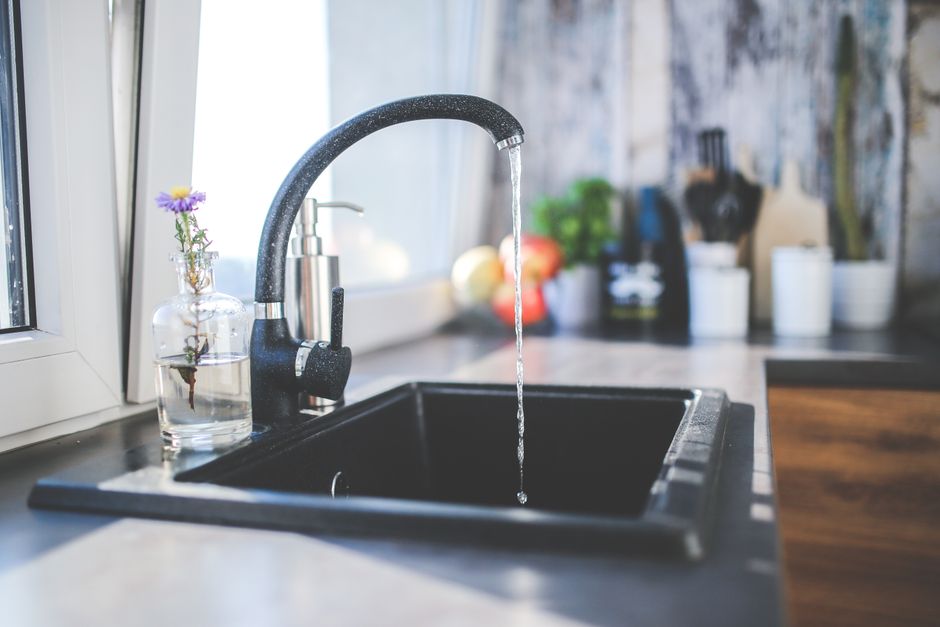
Tshwane water crisis leaves Ekangala residents dependent on costly bottled water.
What to watch for
Residents and local health services will likely be monitoring case numbers, the availability of safe water, and the capacity of clinics to manage symptomatic patients. For families already struggling financially, the added cost of bottled water and repeated clinic visits is an immediate hardship. Clear, consistent updates from authorities and support for affected households are central to reducing both risk and fear.
This report is based on local residents’ accounts and a government statement detailing the number and location of reported illnesses. All quoted material and figures come from those reports.
Follow Joburg ETC on Facebook, Twitter, TikTok and Instagram
For more News in Johannesburg, visit joburgetc.com
Source: iol.co.za