News
National Water Framework Consultation Highlights Service Delivery and Pollution Challenges
Stakeholders gather in Gauteng to shape South Africa’s Strategic Framework for Water and Sanitation Services, with a focus on improving service delivery and tackling pollution.
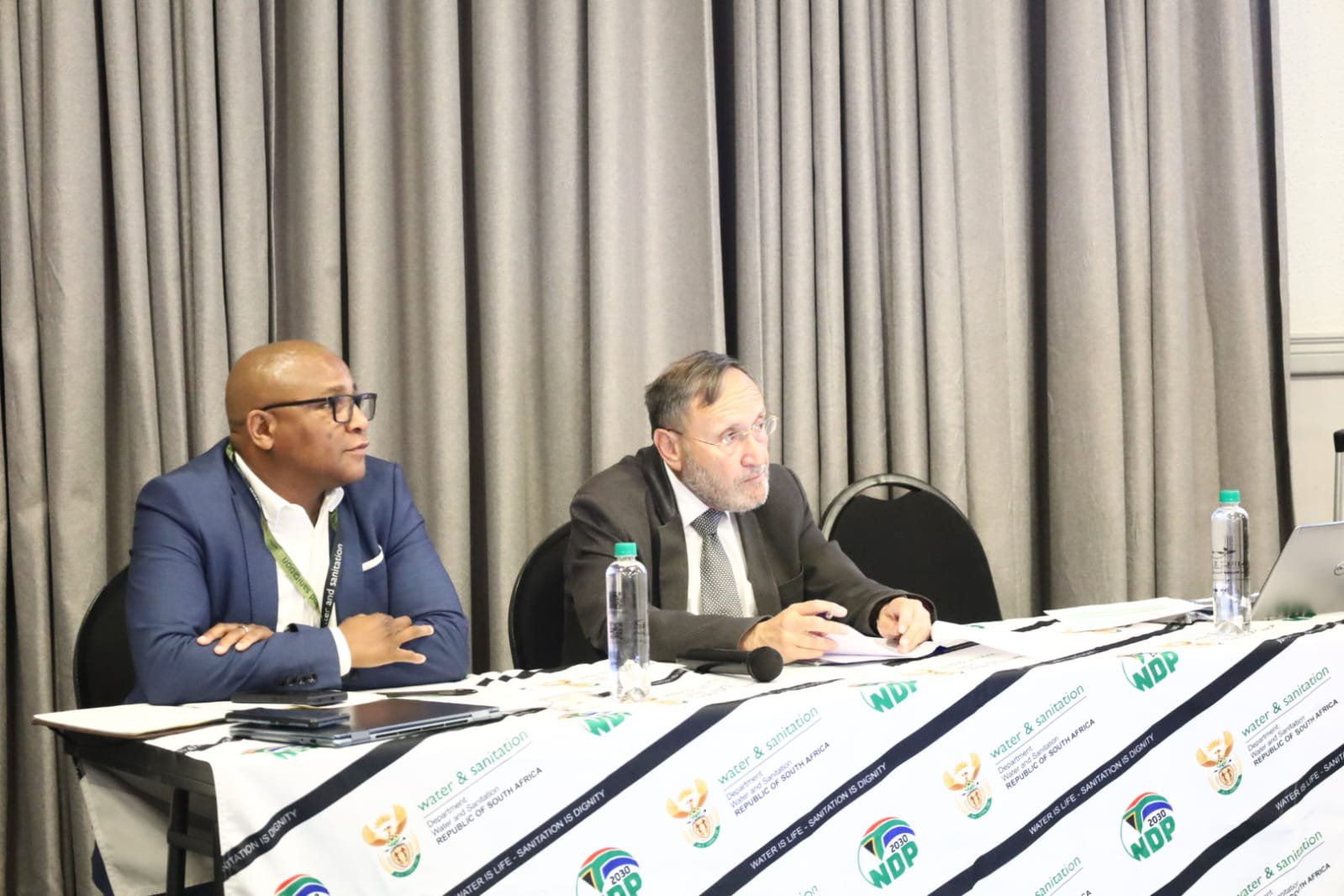
Stakeholders Gather to Shape Water and Sanitation Policies
Key decision-makers from government, municipalities, civil society, private sector, and academia are set to meet in Gauteng for a pivotal national consultation on water and sanitation services. The event, scheduled for Friday at the Birchwood Hotel, brings together contributors from across South Africa to deliberate the final Strategic Framework for Water and Sanitation Services (SFWSS).
Driving National Priorities Through Inclusive Dialogue
The Department of Water and Sanitation (DWS) has emphasized the importance of collective input, noting that the workshop marks a significant step towards ensuring the framework truly reflects the experiences and priorities of all stakeholders involved in the water sector. Participants represent a broad spectrum, including municipalities, government institutions, water sector professionals, civil society, academia, private enterprise, and the general public.
The national consultation is the culmination of a series of provincial workshops held across South Africa. Bringing these voices together aims to consolidate diverse inputs, address shared challenges, and validate practical proposals. This process will help inform and refine the final framework before its adoption.
Strategic Vision for Sustainable Water and Sanitation
The SFWSS seeks to offer clear strategic direction in the face of sector challenges. Its key goals include strengthening governance, improving coordination, and enhancing service delivery standards across all municipalities. After Cabinet reviewed the draft on 21 July 2026, wide-reaching public consultations were approved, underscoring the government’s commitment to building an inclusive and functional framework.
Spotlight on Pollution and Preventative Action
Alongside the ongoing policy discussions, concerns about water pollution and municipal accountability have surfaced as urgent matters. Dr Jack Bloom, the Deputy Minister of Water and Sanitation, highlighted the critical need for municipalities to focus more intently on preventing pollution and maintaining cleaner rivers. Speaking after recent visits to polluted waterways in Rustenburg and Ventersdorp in the North West Province, he pointed out the importance of fully implementing the “polluter pays” principle.
“Proper maintenance, early warning systems, and armed security are needed to prevent the sewage spills. The damage already caused to the affected rivers must also be addressed.” – Dr Jack Bloom
Bloom described first-hand observations, notably at the Arnoldistad Road pump station, where sewage overflows into a stream connected to the Hex River – a water source ultimately feeding into the Bospoort Dam, which supplies drinking water to the Rustenburg area.
Challenges Facing Municipal Infrastructure
The Deputy Minister cited a series of ongoing issues complicating the response to sewage pollution. In August 2022, the DWS issued a notice of intention to issue a directive to the local municipality following spills from three pump stations. Efforts to resolve these issues included upgrades to pumping capacity at the Arnoldistad Road station; however, theft of a transformer and cables, as well as damage from foreign objects dumped into the system, hampered progress.
According to Bloom, the pumps have since been serviced, and municipal authorities have pledged that they will be operational by the end of October 2026. Security measures such as three armed guards and the installation of an electric fence are being introduced, though concerns remain about the ongoing risk of cable theft and associated vulnerabilities.
Looking Ahead: Sector-Wide Integration and Accountability
The national workshop underscores a critical moment for South Africa’s water and sanitation sector, with cross-sector input helping address chronic challenges and craft a path toward more reliable and sustainable service delivery. Pollution prevention, infrastructure maintenance, and stakeholder accountability remain at the forefront of both local and national conversations.
While the final SFWSS has yet to be completed, ongoing dialogue and integration of feedback are expected to lay the groundwork for more effective management and protection of water resources across the country.
Follow Joburg ETC on Facebook, Twitter, TikTok and Instagram
For more News in Johannesburg, visit joburgetc.com
Source: iol.co.za