News
Political Killings Cast Shadow Over South Africa’s 2026 Local Elections
A surge in political assassinations has marred South Africa’s 2026 election season, raising fears about democracy amid targeted killings of candidates.
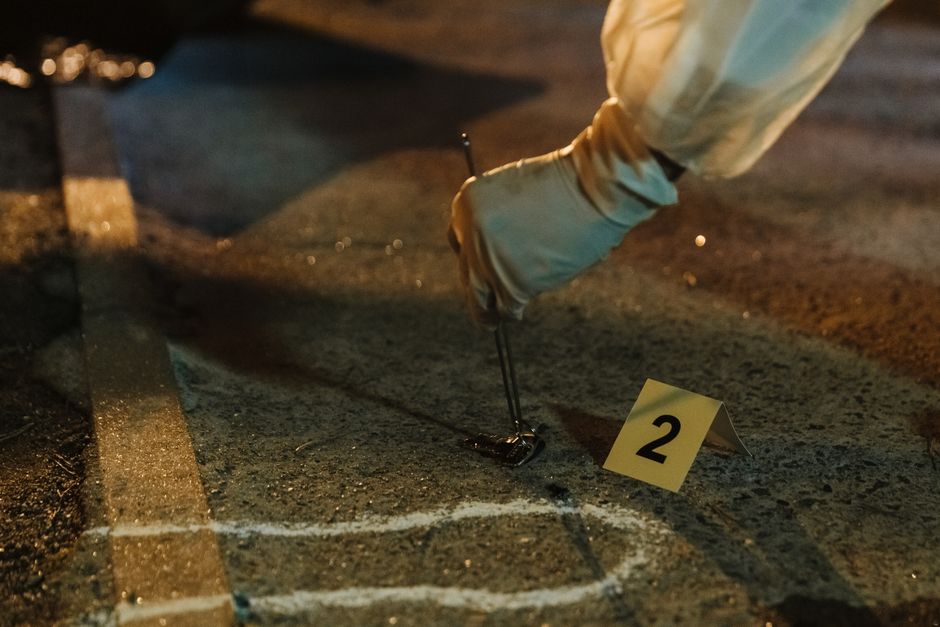
Spike in Political Violence Before the Polls
As South Africa nears the local government elections scheduled for November 4, 2026, a chilling wave of political violence and assassinations has emerged across the country. This upsurge in targeted hits has cast a shadow over the electoral process and ignited grave concerns about the health of democracy in the nation.
Scope of the Crisis
The Global Initiative Against Transnational Organized Crime (GI-TOC) has reported at least 43 political assassinations between January and late October 2026. The victims have included councillors, candidates, and political organisers representing a range of parties. This violence has often targeted individuals directly involved in campaigning or serving in local government roles, emphasising the perils faced by those participating in South Africa’s democratic processes.
Key Cases in 2026’s Election-Related Killings
- Sinovuyo Dyokwe (Democratic Alliance): In June, Dyokwe, a DA by-election candidate, was shot dead in Dunoon, Cape Town, during a voter registration weekend. Her killing marked a disturbing escalation in election-period violence.
- Sicelo Mleve (African National Congress): On the same weekend, gunmen stormed Mleve’s ward office in Zwide, Gqeberha, during a community meeting. The ANC Ward 27 councillor was killed at close range.
- Mozwakhile Zungu & Siyabonga Mabaso (uMkhonto weSizwe Party): Shortly after leaving a voter registration station in Bekkersdal, Gauteng, both MKP members were ambushed and fatally shot.
- Khethelo Mdluli (Inkatha Freedom Party): An IFP candidate and PR councillor for uMlalazi Local Municipality was shot at home, in front of his children, later dying in hospital.
- Lucky Sokhela (Inkatha Freedom Party): Sokhela, an IFP Ward 8 candidate in KwaSwayimani, KwaZulu-Natal, was shot at his home on September 1.
- Lungani Makhathini (African National Congress): On October 15, while conducting door-to-door campaigning in Umgababa, South Coast, KwaZulu-Natal, Makhathini and a volunteer were shot dead by three armed assailants.
- Ernest Fipaza (SACP/ANC Coalition): Fipaza, an ANC ward councillor running under the SACP banner, was killed at home on October 23 in Dutywa, Eastern Cape. Two unknown assailants attacked him physically before shooting and threatening his son.
- Michael Thulani Mbana (Democratic Alliance): The latest high-profile case, Mbana, Metsimaholo Caucus Leader and Ward 14 candidate, was lured from his home in Taylor Park, Sasolburg, Free State, and shot multiple times on October 26 by two men who fled on foot.
Impact on South African Democracy
These targeted killings have intensified national debates about political intolerance and safety in the run-up to the 2026 elections. The attacks have not only claimed the lives of those seeking public office but also stoked fears for the safety of candidates, public officials, and grassroots organisers. Local government elections, which are vital to the functioning of communities and democratic representation, are now taking place under an unprecedented atmosphere of threat.
Presidential Response and National Outrage
Earlier this week, President Cyril Ramaphosa forcefully condemned the spate of assassinations against councillors and candidates. While on the campaign trail in eMaGabheni, KwaZulu-Natal, Ramaphosa made a public appeal for justice:
“Those who are killing councillors, those who are killing candidates are really seeking to destroy the efficacy of our democracy.”
He emphasised that these killings undermine democratic institutions and South Africans’ constitutional right to choose their representatives. Ramaphosa has called upon law enforcement to track down those responsible, stating:
“We condemn the killing of councillor candidates, whether serving or prospective, in the strongest terms. And that is why I’ve called on the police to pursue those who are responsible for these murders, catch them, have them prosecuted.”
The Road Ahead: A Test for Rule of Law
With only days until the 2026 local elections, authorities face mounting pressure to protect candidates and ensure a safe, legitimate voting environment. The repeated targeting of both high-profile and community-level figures demonstrates the urgent need for effective investigation and prosecution. Election observers and rights groups continue to highlight the critical importance of upholding public confidence in democratic institutions, especially as incidents of violence threaten to discourage political participation.
Ongoing Monitoring and Public Vigilance
While the motivation behind each attack may vary, the pattern of assassinations suggests a broader problem of political intolerance and impunity. The ability of law enforcement and the justice system to respond will play a defining role in the public’s trust in both government and the electoral process in the coming weeks.
The 2026 local elections stand as one of South Africa’s most crucial democratic stress tests since the advent of democracy. The country now turns to its officials, communities, and institutions to ensure that participation in public life is upheldand protectedfrom the threat of violence.
Follow Joburg ETC on Facebook, Twitter, TikTok and Instagram
For more News in Johannesburg, visit joburgetc.com
Source: iol.co.za