News
Judgment Reserved in Duduzile Zuma-Sambudla Incitement Case as Defense Challenges State Evidence
The KZN High Court has reserved judgment on Duduzile Zuma-Sambudla’s bid to dismiss terror-related charges over July 2021 unrest social media posts.
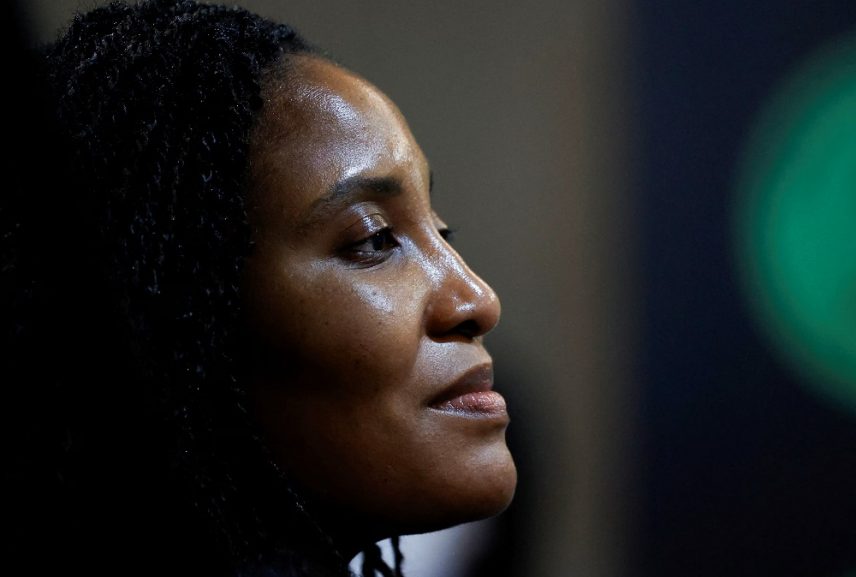
Background on the High-Profile Case
Judgment has been reserved in the KwaZulu-Natal High Court regarding Duduzile Zuma-Sambudla’s application to have the terrorism case against her dismissed. Zuma-Sambudla, who is the daughter of former president Jacob Zuma, faces charges of incitement to commit terrorism and violence related to the July 2021 unrest in KwaZulu-Natal and Gauteng.
The unrest, which erupted following her father’s incarceration for defying a Constitutional Court order, led to widespread destruction and looting. Zuma-Sambudla is accused of using social media to encourage participation in these violent acts, with the state linking her online statements to the escalation of unrest.
What Is a Section 174 Application?
Zuma-Sambudla’s legal team brought a section 174 application before Judge Mbuzeni Mathenjwa. This legal route, part of the Criminal Procedure Act, allows an accused to request the dismissal of a case before presenting any defense, if the prosecution has failed to make out a prima facie case.
The Defense’s Arguments Against the State
During proceedings, advocate Dali Mpofu represented Zuma-Sambudla, challenging the state’s core evidence. Mpofu asserted that the prosecution had not proven the unlawfulness of Zuma-Sambudla’s alleged actions, and described the allegations as “ridiculous.” He questioned whether the state had demonstrated the existence of both an “inciter” and an “incitee.”
“There must still be an incitee. That’s the point, really. You cannot have incitement; you must have an inciter and an incitee,” Mpofu stated in court.
According to the defense, the prosecution had failed to provide evidence of a person directly incited by Zuma-Sambudla’s posts. Mpofu further pointed out that, since others also shared her social media statements, it would be inconsistent to target only Zuma-Sambudla if the posts themselves amounted to incitement.
Claims of Selective Prosecution
Mpofu raised concerns about selective prosecution, implying that Zuma-Sambudla was being singled out due to her surname and profile. He argued that, if re-sharing or expressing views about protests constitutes incitement, countless other individuals could be subject to prosecution.
“The evidence was that so many people retweeted the information; the only difference is that their surname is not Zuma. So why would just, out of all this information, one person be targeted?”
The defense suggested that applying the state’s reasoning would unfairly criminalize open discussion about protests or occurrences on social media platforms.
The State Opposes the Application
The state continues to oppose Zuma-Sambudla’s bid to dismiss the charges, maintaining that her actions, specifically her social media posts, played a role in inciting unrest. The prosecution’s position is that her conduct contributed to the violence seen in July 2021 and that the evidence warrants a trial.
Awaiting the Court’s Decision
Both the defense and the prosecution now await the court’s judgment, scheduled for Friday, 6 November. The outcome will determine whether Zuma-Sambudla will have to answer to the incitement charges or whether the case will be dismissed before the defense lays out its arguments.
Broader Implications and Legal Context
This case has generated significant public interest due to its implications for social media use, free speech, and accountability in times of unrest. Section 174 applications serve as a safeguard against weak prosecutions, ensuring that only cases with substantial evidence proceed beyond the state’s presentations.
More broadly, the proceedings highlight ongoing debates in South Africa about the responsible use of online platforms and the balance between personal freedoms and public order, especially in the aftermath of significant national disturbances.
The final judgment is awaited with anticipation, as it could set an important precedent for future cases involving social media and incitement in South Africa.
Follow Joburg ETC on Facebook, Twitter, TikTok and Instagram
For more News in Johannesburg, visit joburgetc.com
Source: citizen.co.za