News
Panorama Route tourism under threat as Thaba Chweu sewage and water crisis deepens
Sewage spills and unsafe water tests in Thaba Chweu are undermining tourism across the Panorama Route, with businesses and activists calling for urgent intervention.
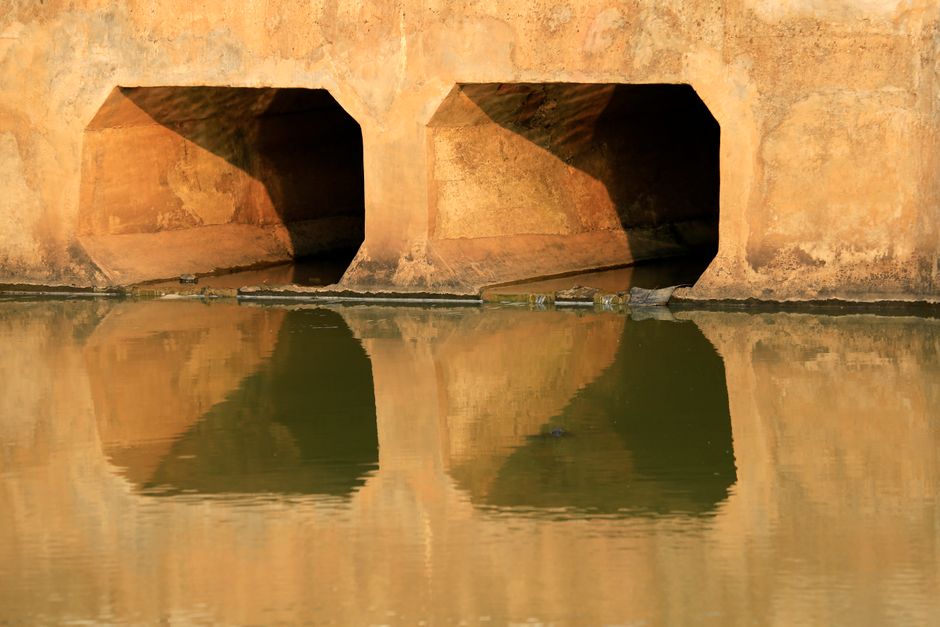
Thaba Chweu’s growing water and sewage problems are damaging tourism across the Panorama Route, with tests showing unsafe water and one town experiencing visible sewage spills, local leaders and industry representatives told The Citizen on 18 September 2026.
Tests flag unsafe water; chlorine level recorded as zero
Water samples tested by iLab in conjunction with AfriForum showed coliform bacteria at a level flagged as unsafe, and alkalinity recorded at a warning level, the reporting said. A sample taken from a tap in Lydenburg showed that the chlorine level was zero, and Ferrial Adam, executive director of WaterCan, said the results indicated the water was not safe for consumption.
Sewage visible on streets and in rivers
According to The Citizen, when the paper visited Mashishing (formerly Lydenburg) sewage was spilling onto streets and into a river. The discovery prompted concerns from councillors and tourism leaders about the municipality’s wastewater and water-purification processes.
Calls for accountability and urgent intervention
Marius Opperman, a DA councillor in the municipality, urged Mayor Friddah Nkadimeng to engage her administration and produce a plan to improve water quality.
“This raises concern over the municipality’s water purification processes before being channelled into the supply system,”
Opperman said, noting legal and technical limits set by the SA National Standard 241 and the department of water and sanitation’s monitoring requirements.
Oupa Pilane, chair of the Southern Africa Tourism Services Association board, warned that the crisis went beyond service delivery and had direct economic implications for towns that depend on visitors.
“The lack of reliable water supply and the discharge of sewage into rivers are therefore not only service delivery problems, they are tourism and economic development problems,”
Pilane said.
Tourism businesses forced to shoulder costs
Pilane said hotels, guesthouses, restaurants and attractions were increasingly installing tanks, boreholes and filtration systems to stay open, adding that such costs affect the destination’s competitiveness and sustainability.
Environment and reputation at risk
Pilane emphasised that sewage pollution threatens the natural features that draw visitors to the Panorama Route and can damage the destination’s reputation.
“If the roads are deteriorating, towns are dirty, water is unavailable, or sewage is flowing into rivers, the visitor’s perception is that the destination is failing,”
he said, warning that repeat visits, recommendations and investment could decline.
Requests for assessments and long-standing protests
Mpumalanga Tourism and Parks Agency spokesperson Simphiwe Shungube said the agency still needed to conduct an assessment to determine how the tourism sector was being affected, and noted that issues of sewage spillage must be referred to the responsible authority.
Pompie Ledwaba, president of the Mpumalanga Civic Coalition Movement, said the water and sewage problems had persisted for years and that the movement had been protesting without results.
“We have protested for so many years in the municipality about the water and sewage issue, but nothing was done about it,”
Ledwaba said.
Tourism assets vulnerable
The Panorama Route includes internationally recognised attractions such as Graskop, Sabie, Pilgrim’s Rest and other natural and heritage sites that draw visitors to the region. Sources quoted in the reporting warned that without reliable water and functioning wastewater systems, these tourism nodes, and the jobs they support, are at risk.
What stakeholders are asking for
- Investigations into water treatment and purification processes to determine why supplies are unsafe
- Accountability from municipal authorities for water quality management
- Priority intervention for water and wastewater infrastructure in tourism nodes and environmentally sensitive areas
The reporting leaves clear demands from tourism bodies, civic groups and opposition councillors for urgent action to protect both the environment and the local tourism economy.
Follow Joburg ETC on Facebook, Twitter, TikTok and Instagram
For more News in Johannesburg, visit joburgetc.com
Source: citizen.co.za