News
Ramaphosa pins hopes on R890bn investment and reforms to tackle youth unemployment
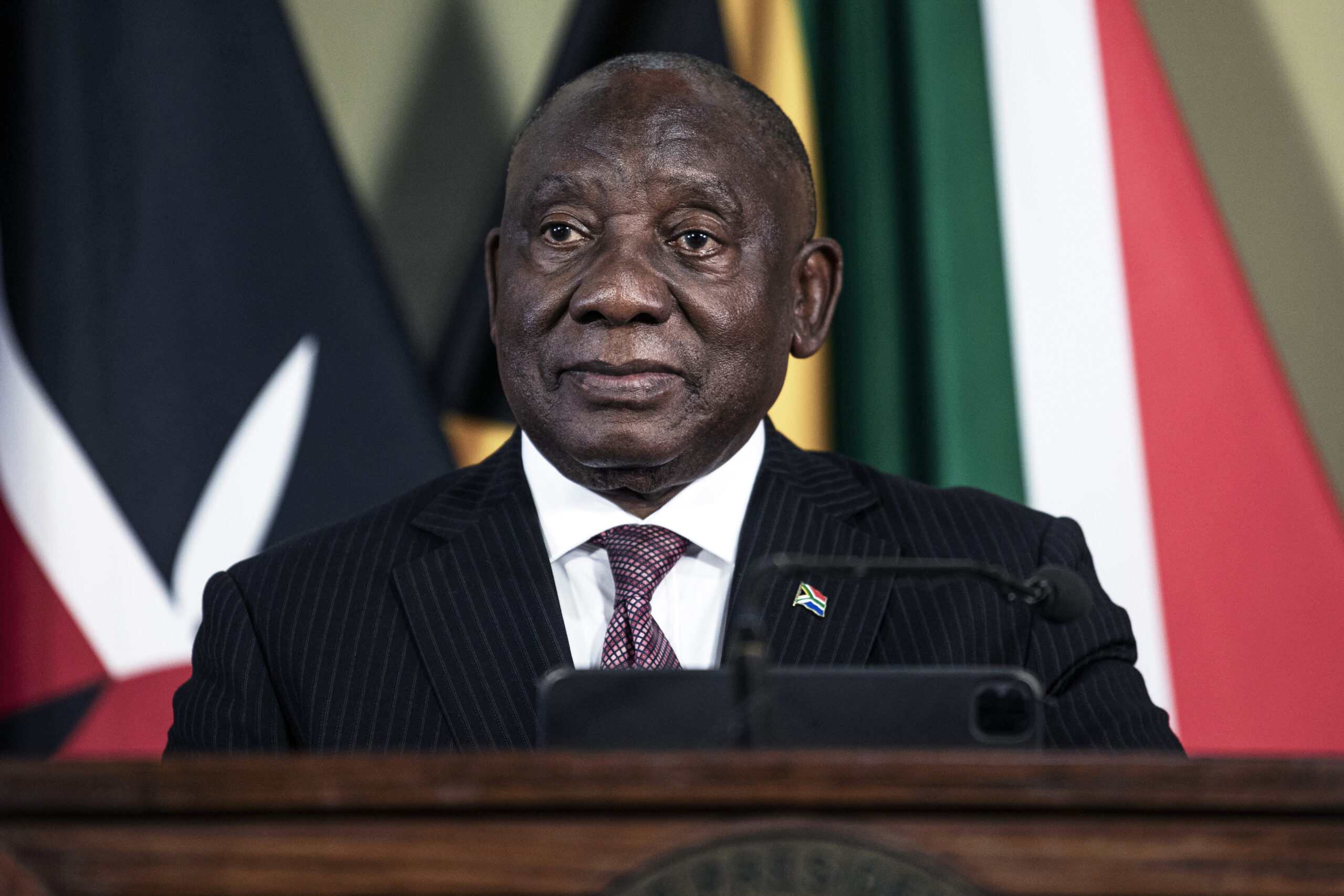
President Cyril Ramaphosa has called for sustained cooperation between government, business and society to widen opportunities for young people, saying inclusive growth, large investment pledges and structural reforms are central to reducing youth unemployment.
Investment pledges and the limits of growth
In his weekly letter to the nation on Monday, Ramaphosa said government is pursuing inclusive economic growth through infrastructure investment, structural reforms and efforts to attract investment. He noted that R890 billion in new investment pledges had been raised over the past year.
He warned, however, that growth by itself would not immediately resolve unemployment pressures and said targeted interventions are needed to support young people in the short term.
Scaling up youth employment programmes
Ramaphosa highlighted the Presidential Employment Stimulus as one of the country’s most significant interventions. He said it has created more than 2.5 million work and livelihood opportunities since its launch during the COVID-19 pandemic, and that more than eight in ten of these opportunities have gone to young people, while two-thirds have gone to women.
He said the initiative had expanded public employment at an unprecedented scale and strengthened service delivery in key sectors.
Other targeted programmes
Ramaphosa listed several other programmes aimed at improving youth access to work and training:
- The Basic Education Employment Initiative, which has placed 200,000 unemployed young people in nearly 22,000 schools nationwide.
- The Social Employment Fund, which has provided part-time work in education, health, food security, environmental improvement and community safety, allowing participants to earn an income while continuing to search for permanent work or pursue further opportunities.
- The Presidential Youth Employment Intervention, through which more than 5.7 million young people have registered on the SA Youth platform and through which over 2.3 million earning opportunities have been facilitated.
- The revitalised National Youth Service, which has placed more than 132,000 young people in paid community service.
- The Youth Employment Service, which continues to provide structured private-sector work experience.
- The Jobs Boost Outcomes Fund, which links training funding to actual job placements to ensure training leads to measurable employment outcomes.
Short-term gains, longer-term goals
Ramaphosa acknowledged widespread frustration among young people struggling to find work despite expanded access to education, training and employment. He said these frustrations are understood and real, and that many of the opportunities created through current programmes are short-term but help young people gain skills, experience and confidence to transition into longer-term employment or entrepreneurship.
“The youth of South Africa rose up to reject an education system that sought to keep them in servitude and deny them the opportunity to realise their potential,”
“Exactly 50 years later, as young South Africans, you face a different challenge: finding your place in an economy that has for too long kept its doors closed,”
Reflecting on the legacy of the 1976 youth uprising, Ramaphosa said that generation helped open the doors of freedom and that today’s generation must ensure those doors lead to real economic opportunity.
A call for collective action
Ramaphosa urged ongoing collaboration between government, business and civil society, saying every sector must play a role in expanding opportunities for young people.
“Every company, every department, every organisation and every South African who is able to open a door for a young person must do so,”
He said the ultimate goal is an inclusive economy in which young people can fully participate and realise their potential.
Follow Joburg ETC on Facebook, Twitter, TikTok and Instagram
For more News in Johannesburg, visit joburgetc.com
Source: iol.co.za