News
Schreiber orders cancellation of more than 2,000 fraudulent study visas after SIU probe
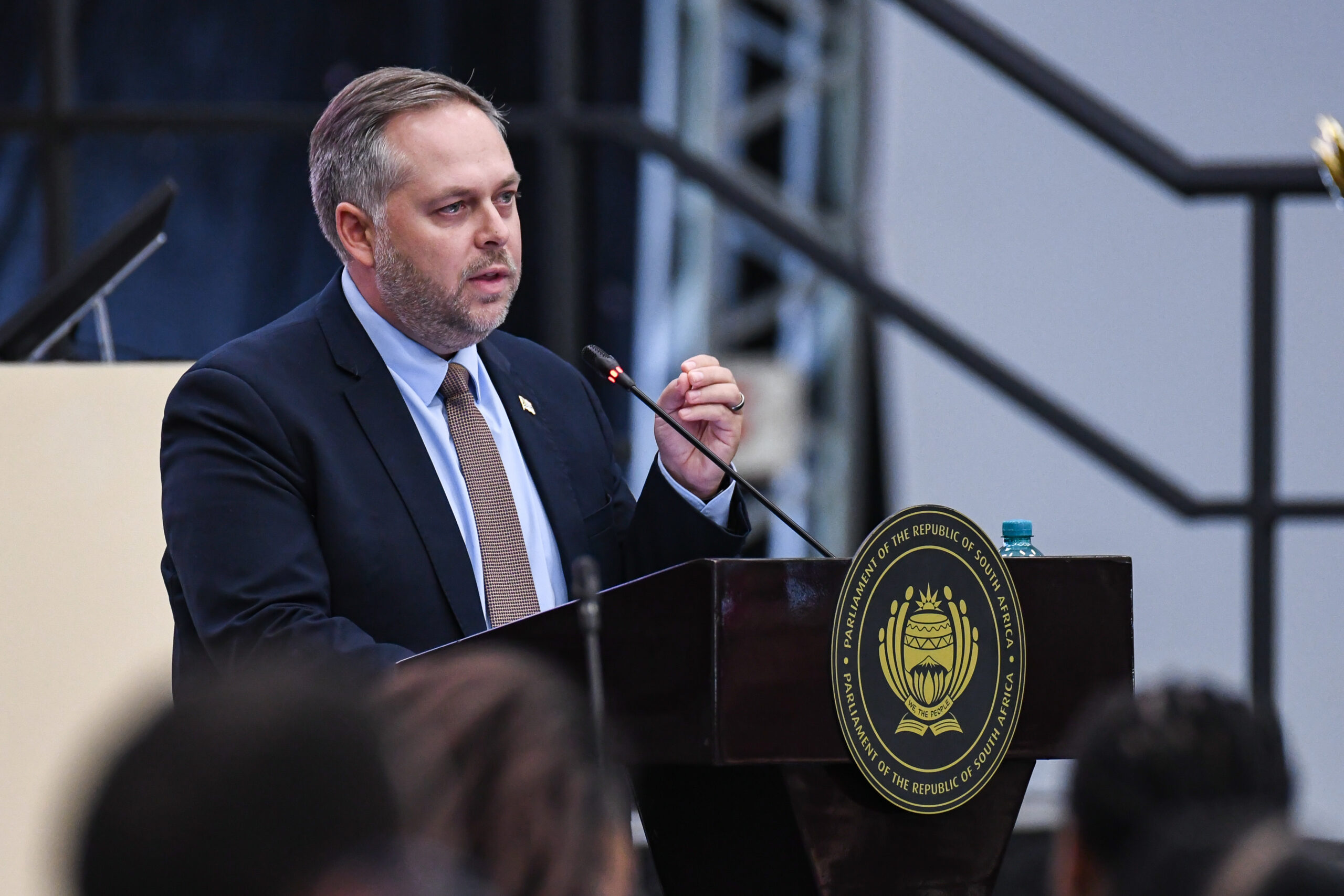
Home Affairs Minister Dr Leon Schreiber announced that the department will cancel more than 2,000 fraudulently obtained study visas following a Special Investigating Unit (SIU) probe that analysed over a billion data points, part of a wider drive to tighten immigration controls and shore up identity systems.
SIU investigation identified irregularities in study visas
Speaking at an Inter-Ministerial Committee media briefing, Schreiber said the SIU’s work had made “massive progress” and that study visas were among the categories most affected by irregularities
Rolling clean-up, not a once-off audit
Schreiber described the process as an ongoing effort rather than a single audit, saying:
“I don’t think there should be a sort of once-off audit process, but really we have to have a rolling effort to clean up our data, essentially.”
Enforcement, technology and inter-agency work
The minister said Home Affairs faced capacity constraints but had intensified enforcement through collaboration with the Border Management Authority, the South African Police Service and the Department of Employment and Labour. He also highlighted the increasing role of technology in compensating for limited resources.
One key intervention is the Electronic Travel Authorisation (ETA) system, which digitally verifies travellers before entry and is currently operational for short-stay visitors from China, India, Mexico and Indonesia. According to Schreiber, the platform has already prevented 5,158 people from obtaining a tourist visa because of fraudulent passports or failed facial verification.
Schreiber explained how the system works:
“We are using facial recognition and machine learning to check whether your travel document is authentic, to match your face to the photo on your passport and when you arrive in South Africa you will be looking into a camera again so that we know the person who has arrived is in fact the correct person who has been given permission to arrive.”
Phasing out the green barcoded ID book
The minister said the green barcoded ID book remained highly vulnerable to fraud and described it as “the most defrauded piece of identity documentation in South Africa.” He noted there are about 16 million green ID books still in use and that the department’s job is to replace them with the more secure Smart ID.
Schreiber outlined progress in a partnership with the banking sector that has expanded access to Smart ID services. He said the service is live at 178 bank branches and that 216,515 people have used it since 9 March to obtain a Smart ID. The department plans to expand the service to 750 bank branches by the end of the year.
Digital ID rollout and next steps
On the government’s planned Digital ID, Schreiber said the public comment period on draft regulations closed on 6 June and that technical and regulatory work is underway to enable the first phase rollout within the next few months. He stressed the Digital ID will be voluntary and will operate alongside the physical Smart ID card.
Schreiber said the combination of stronger immigration controls, biometric verification systems, Smart IDs and Digital IDs would help authorities deal with people who are in the country illegally and prevent future abuses of South Africa’s immigration and identity management systems. “These are not pie-in-the-sky promises,” he said. “It is not a promise, it is actually a progress report.”
Follow Joburg ETC on Facebook, Twitter, TikTok and Instagram
For more News in Johannesburg, visit joburgetc.com
Source: iol.co.za