News
Spanish Authorities Complete Identification of Train Crash Victims
Spanish officials have identified all 69 victims of last week’s deadly train collision, including 54 Spaniards and 15 foreigners, after extensive forensic work.
Identification Brings Closure to Tragedy
The disaster, which unfolded on Wednesday, ranks among the deadliest rail accidents in Europe so far this century. Families of those who perished endured several days of painful uncertainty while a legal body composed of police and forensic specialists conducted meticulous identification work, at times using individual body parts to establish identities.
A statement from the identification committee revealed that the three final victims confirmed were two Australians and a Japanese citizen. This brought the total to 69, encompassing both Spanish nationals and foreigners whose lives were claimed by the tragedy.
A Multinational Loss
Among the victims are 54 Spaniards and 15 foreign nationals.
- 4 United States citizens
- 2 Australians
- 2 Japanese
- 1 Argentine
- 1 Canadian
- 1 French citizen
- 1 Mexican
- 1 Portuguese citizen
- 1 Tunisian
- 1 Czech citizen
The international nature of the victims highlights the wider impact of the crash, with families across several continents facing bereavement and seeking answers.
Details of the Accident
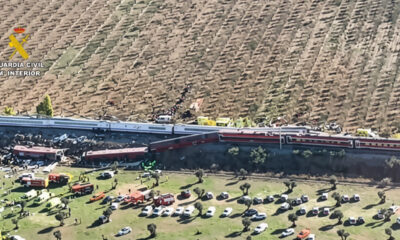
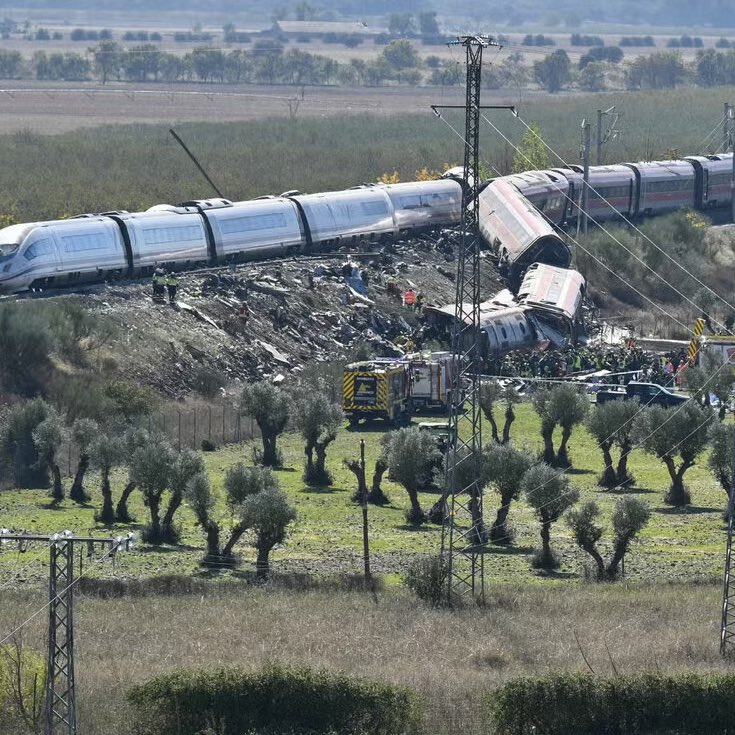
The fatal incident occurred when a Renfe-operated high-speed train collided with the back of a stationary Iryo train near the village of Urda, approximately 130 kilometres south of Madrid. The crash resulted in the deaths of 69 people and exposed vulnerabilities in Spain’s rail safety infrastructure.
According to information released by authorities, the accident’s root cause involved the failure of an automatic safety system, which had led to a halt in train traffic on a 63-kilometre stretch of track. Despite this, the control centre gave authorisation for the Renfe service to continue its journey, not realising the Iryo train was still stationary.
Impacts and Ongoing Safety Concerns
This tragedy was the second high-speed train collision in Spain this year. In January, a separate accident in Andalusia had already claimed 46 lives, raising persistent concerns about railway safety procedures and oversight in the country.
Large rail disasters often prompt renewed scrutiny of safety protocols. Investigations typically focus on technical failures, human error, and systemic issues within railway operations. Spanish authorities are now once again under pressure to review both automated and manual systems that govern train movements across the network.
National and Political Context
The timing of the accident is also notable, as it occurred only one month ahead of the scheduled general election on November 29. Socialist leader Pedro Sanchez, aiming to extend his premiership into an eighth year despite unfavourable polling, now faces new questions regarding transport safety on his government’s watch.
As forensic teams conclude the daunting work of identification, attention now turns to official investigations, support for those affected, and the ongoing public debate on how to ensure rail safety in Spain. The collective tragedy has spurred calls for transparent inquiry and effective measures to prevent such disasters in the future.
Rail accidents can have far-reaching impacts, prompting policy reviews and changes in safety protocols across the industry.
Follow Joburg ETC on Facebook, Twitter, TikTok and Instagram
For more News in Johannesburg, visit joburgetc.com
Source: iol.co.za