News
What happens to Zimbabweans when they return from South Africa: five steps of the repatriation process
More than 115,000 Zimbabweans have returned from South Africa since May 2026. Here are five things that happen to returnees on arrival and during reintegration.
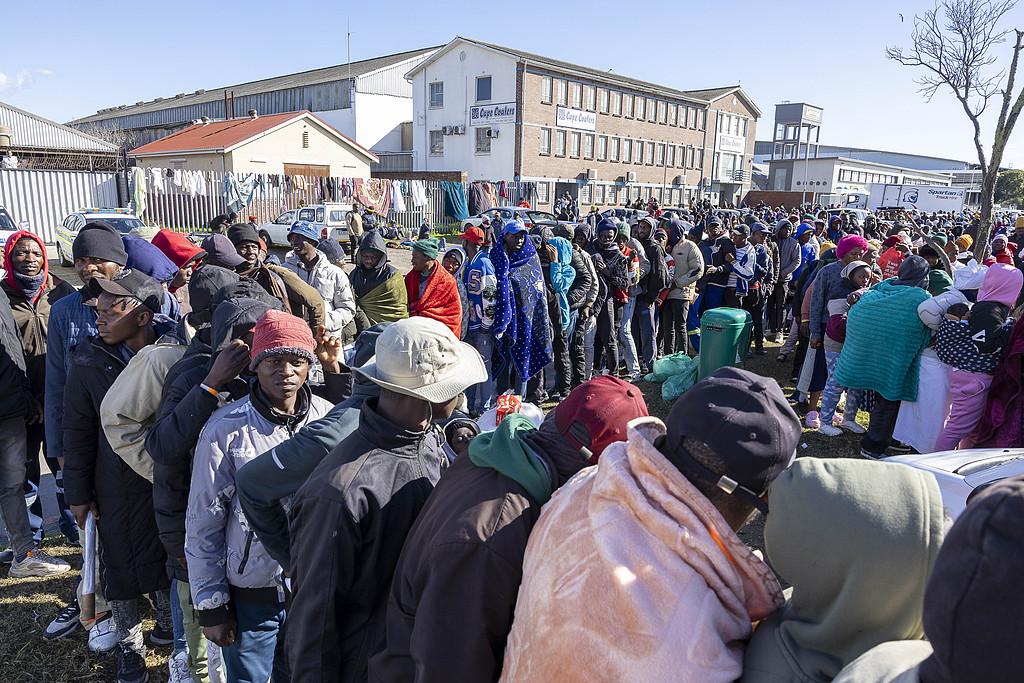
More than 115 000 Zimbabweans have returned from South Africa since the repatriation exercise began in May 2026, the Zimbabwean authorities say. The large movement driven in part by anti-immigrant protests, attacks and a crackdown on undocumented migration in South Africa has required a stepped response from government and humanitarian organisations.
1. Transport and arrival procedures
For those using assisted repatriation arrangements, the process begins with registration and organised transport from South Africa. Beitbridge has served as a major entry point, and the Government has arranged onward transport for returnees once they cross into Zimbabwe. In some places buses have been used to move people from arrival points towards their home districts. Authorities have also set up holding centres to assist people who need urgent support on arrival.
2. Basic assistance on arrival
Returning home often does not mean immediate access to shelter, money or services. The Government and humanitarian groups have provided assistance to vulnerable returnees, including transport and medical support. Aid organisations have raised concerns about interrupted treatment for people with chronic conditions after their return; the Associated Press reported that groups were worried about disruptions to care for conditions including HIV.
3. Skills registration to identify experience
Zimbabwe has created a system to identify and register the skills of returning citizens. By July, the Ministry of Skills Audit and Development had registered 15 000 skilled returnees, mainly from South Africa. Government figures later showed that 38 057 returnees had registered through the Skills Registration Process as the programme expanded.
4. Pathways to work are being explored
The skills-registration programme is intended to help match returnees with opportunities in Zimbabwe, though registration does not guarantee employment. There have been efforts by private employers to recruit returning Zimbabweans; for example, a Harare-based construction company advertised jobs specifically targeting those who had returned from South Africa.
5. Rebuilding lives at home
Ultimately, returnees face the task of settling back into life in Zimbabwe: finding housing, reconnecting with family, enrolling children in school, or seeking work or business opportunities. The Government has said its approach is not only to bring citizens home but to support their reintegration. President Emmerson Mnangagwa directed authorities to ensure returning citizens are welcomed with dignity and supported through programmes designed to help them contribute to the local economy. The scale of the return movement means the process could take months.
How the figures are counted
The figure cited by authorities includes people who came home under Government-assisted arrangements as well as those who made their own way back to Zimbabwe.
Follow Joburg ETC on Facebook, Twitter, TikTok and Instagram
For more News in Johannesburg, visit joburgetc.com
Source: thesouthafrican.com