Tech
Can number-plate scanning curb crime? What global data and experts say
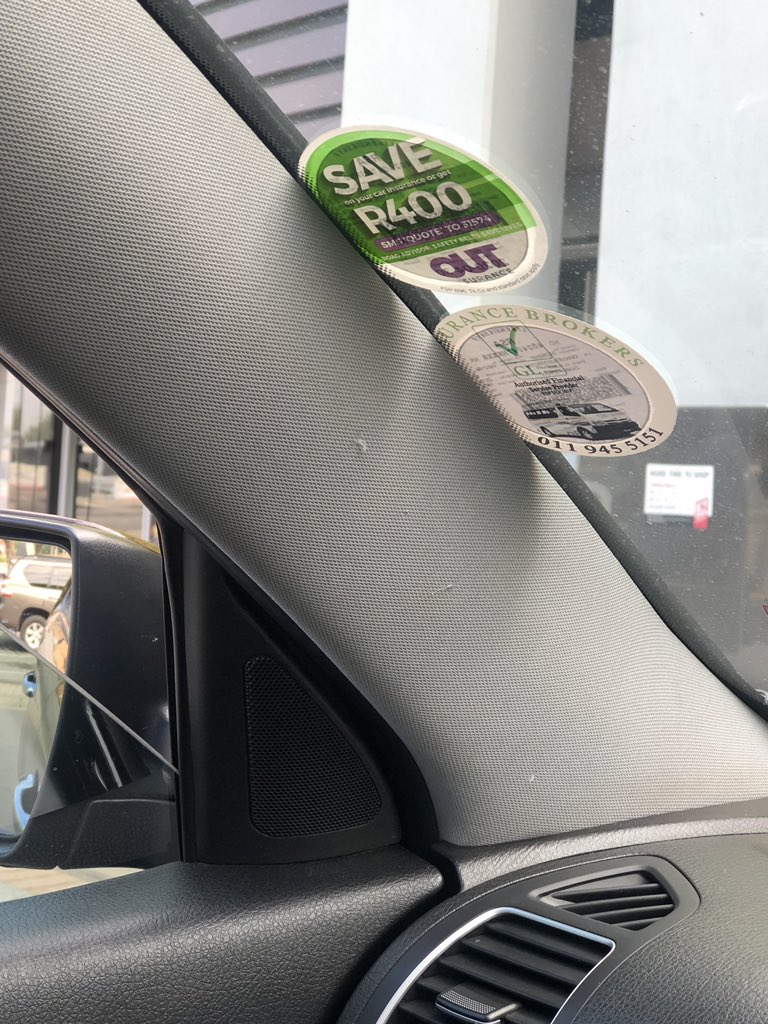
South African motorists may soon see changes in how vehicle licence status is checked as authorities consider systems that rely on number-plate scanning rather than physical licence discs. According to IOL, the Road Traffic Management Corporation (RTMC) is exploring an electronic verification policy direction that would use number-plate recognition and digital databases to confirm registration status.
What the RTMC says
Simon Zwane, spokesperson for the RTMC, told IOL that the shift to a disc-less system is part of a broader policy direction adopted by the organisation.
“Physical [licence discs] will continue until detailed announcements are made. Fraud and corruption investigations will continue,”
Zwane said.
How number-plate scanning (ANPR) works
According to IOL, Automatic Number Plate Recognition (ANPR) systems combine high-speed cameras with software that converts plate images to text using optical character recognition. The system then compares the registration against databases that can contain information on stolen vehicles, outstanding warrants, unpaid fines or vehicles linked to crimes.
IOL reports that modern systems can operate day and night and are often mounted on traffic lights, highway gantries, police vehicles, toll roads, shopping-centre entrances and residential security checkpoints. Some advanced systems can also identify vehicle make, model, colour and travel direction.
Where the technology is used
IOL lists several countries that use ANPR widely:
- United Kingdom: One of the world’s largest ANPR networks, reportedly processing millions of plate reads daily and linked to law enforcement databases.
- United States: Used by police departments, border agencies and private companies in cities such as New York, Los Angeles and Chicago; also used for tolling and identifying uninsured vehicles.
- China: Integrated into a broader nationwide surveillance network and linked to traffic monitoring and smart city systems.
- Australia: Used by police to identify unregistered vehicles, enforce road laws and assist criminal investigations, including mobile camera systems on patrol vehicles.
- United Arab Emirates: Deployed as part of smart policing and traffic management, with integration in parking systems and tolling in cities such as Dubai.
Claims of effectiveness and key limitations
IOL reports supporters say ANPR improves policing efficiency and vehicle recovery rates, helping to recover stolen vehicles, identify suspects, track getaway vehicles and detect cloned plates. The biggest advantage cited is speed: automated systems can scan thousands of vehicles per hour instead of manual checks.
Private security companies in South Africa have credited plate recognition with helping to track hijacked vehicles and identify cars linked to house robberies or kidnappings, according to IOL.
But IOL also outlines important limitations: false positives from misreads or outdated databases; risks that constant tracking creates detailed records of people’s movements without consent; questions about data storage lengths, access, potential abuse by authorities or hackers; and lack of regulation in some countries. IOL notes criminals have adapted by using cloned plates, stolen registration numbers or physically altering plates to avoid detection.
What determines success
According to IOL, the effectiveness of ANPR systems depends on accurate databases, strong regulation, proper oversight, fast police response times and reliable camera infrastructure.
About the source
According to IOL, IOL is one of South Africa’s leading news and information websites bringing millions of readers breaking news and updates on Politics, Current Affairs, Business, Lifestyle, Entertainment, Travel, Sport, Motoring and Technology.
Follow Joburg ETC on Facebook, Twitter, TikTok and Instagram
For more News in Johannesburg, visit joburgetc.com
Source: iol.co.za