News
How Abdullah Ibrahim’s piano sounded like home: a tribute
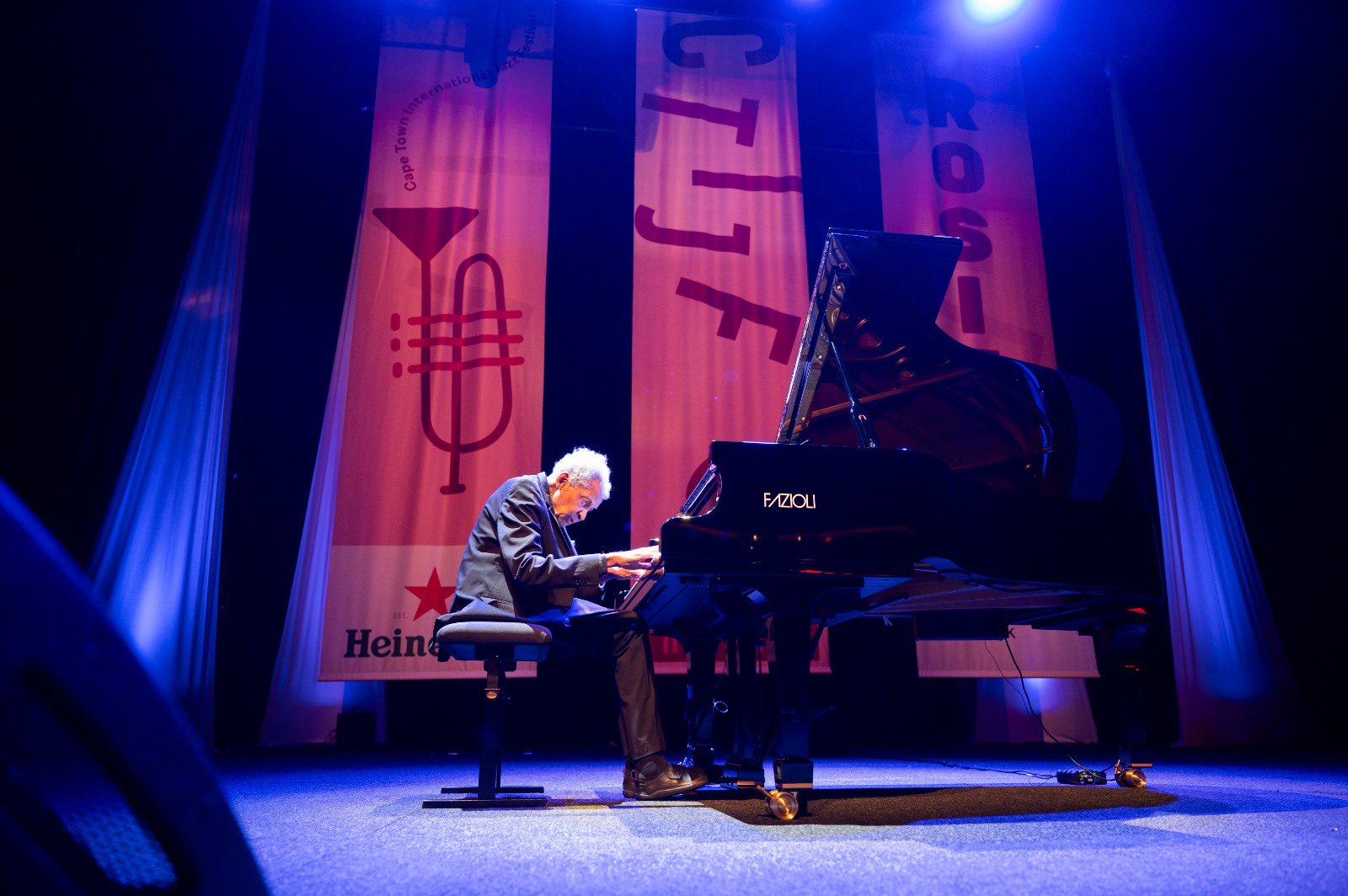
South African jazz icon Abdullah Ibrahim has died at the age of 91. In this personal reflection, Ambassador Carl Niehaus writes about the music that sustained him and a generation through apartheid, exile and the struggle for freedom.
Music as solace and resistance
As a lifelong jazz lover who lived through apartheid, Niehaus says Abdullah Ibrahim was more than a musician: he was a “cultural colossus, a beacon of resistance, a spiritual guide, and a dear beloved friend” whose piano gave voice to collective pain, defiance and hope. Listening to Ibrahim’s playing provided Niehaus with comfort during exile and strength while involved in the liberation movement.
Roots and early achievement
Born Adolph Johannes Brand in Cape Town’s District Six on 9 October 1934, Ibrahim drew on the rhythms of the Kaapse Klopse, gospel hymns and American jazz to forge a distinctive sound. Performing as Dollar Brand, he was a founding member of the Jazz Epistles in the late 1950s. Their 1960 recording, Jazz Epistle Verse One, was the first full-length jazz album by Black South African musicians, a milestone achieved as apartheid tightened its grip.
Mannenberg and the sound of displacement
Niehaus highlights the 1974 recording Mannenberg (Is Where It’s Happening) tracked in a single take as an unofficial anthem of the anti-apartheid struggle. Named for a Cape Flats township where families removed from District Six were resettled under the Group Areas Act, the piece captured the pain of displacement and the resilience of South Africans.
Music inside prison and across struggles
During his imprisonment in Pretoria Maximum Security Prison, Niehaus says he and fellow political prisoners were allowed to buy records, and Ibrahim’s compositions provided “profound comfort and inspiration.” He describes those melodies as lifelines that sustained prisoners through dark days and sleepless nights, turning confinement into space for reflection and quiet defiance.
A life on the world’s stages and at home
Niehaus recalls meeting Ibrahim across decades and continents. While South Africa’s Ambassador to the Netherlands from 1997 to 2001, Niehaus hosted him at the North Sea Jazz Festivals in The Hague and remembers an intimate occasion when Ibrahim sat at a grand piano in the South African residence and played for guests. He also notes Ibrahim’s involvement in supporting the North Sea Cape Town Jazz Festival, which later evolved into the Cape Town International Jazz Festival.
Later years and mentorship
Even in advanced age, Ibrahim continued to perform and mentor younger musicians. Niehaus mentions that Ibrahim founded initiatives such as the M7 academy and composed new works after returning to a democratic South Africa. He also performed at President Nelson Mandela’s inauguration in 1994.
Legacy
Niehaus credits Ibrahim with helping to define Cape Jazz by blending influences including Thelonious Monk and Duke Ellington with South African rhythms. He lists awards and achievements cited in his remembrance, including international collaborations, recognition such as NEA Jazz Master status, and contributions to film scores and orchestral works.
In closing, Niehaus describes Ibrahim as a fighter, healer and revolutionary artist whose music sustained people through apartheid and continues to inspire efforts for justice, economic transformation and dignity. He says Ibrahim’s music will “forever echo” in his soul as the country continues work toward those goals.
“Go well, my dear, beloved, old friend. May your beautiful soul rest in the salient melodies of eternal peace.”
Follow Joburg ETC on Facebook, Twitter, TikTok and Instagram
For more News in Johannesburg, visit joburgetc.com
Source: iol.co.za