Business
US proposes 12.5% tariff on South African exports after Section 301 findings
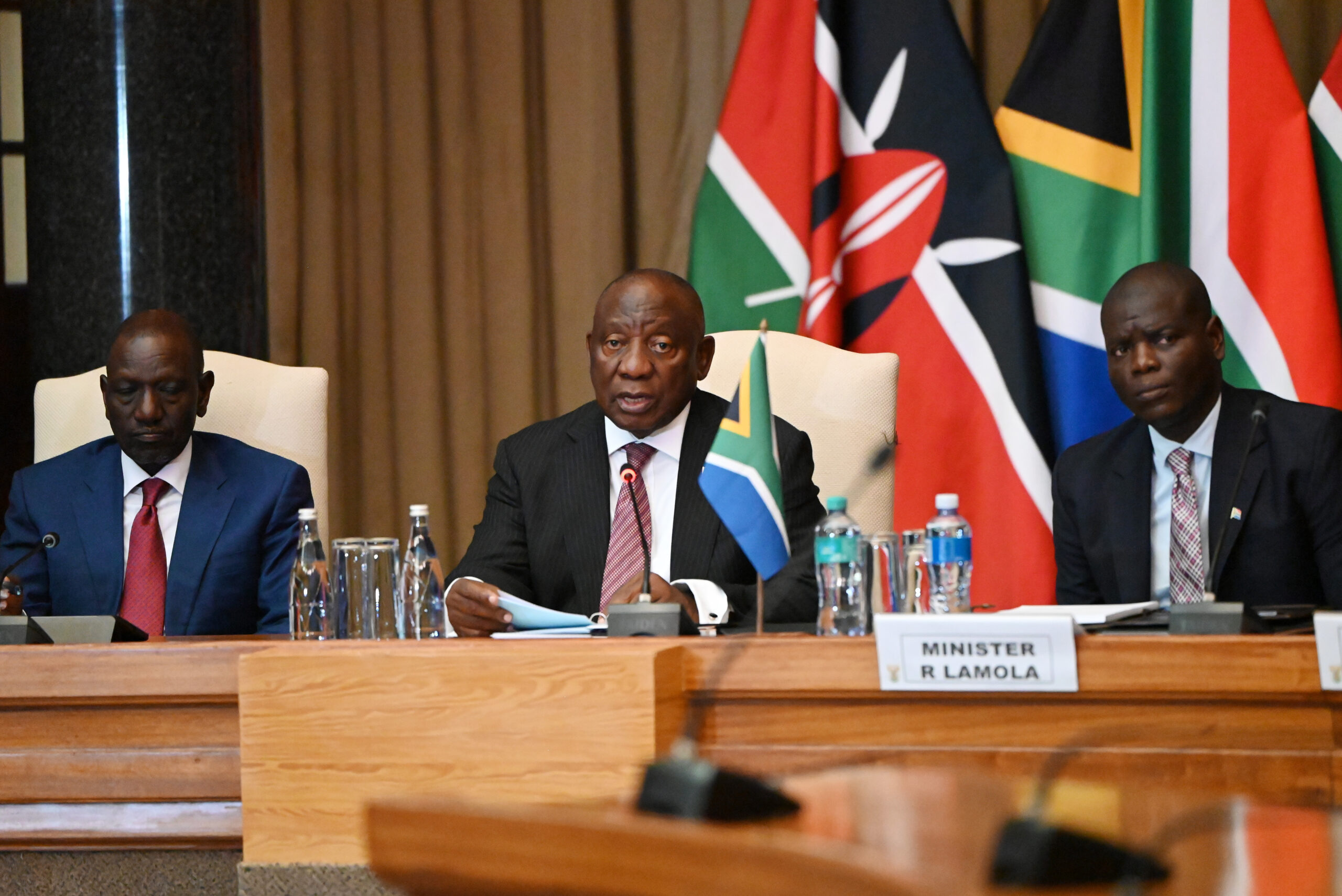
South Africa is facing a proposed 12.5% tariff on exports to the United States after the US Trade Representative concluded a Section 301 investigation into whether trading partners have sufficient measures to block imports of goods made with forced labour. Public hearings on the proposal are scheduled for early July.
What the US decision says
The Office of the United States Trade Representative announced findings against 60 countries assessed in the Section 301 probe, which was launched in March 2026. The office is now proposing a 12.5% tariff on goods from those countries.
South African government response
The Department of Trade, Industry and Competition noted the findings and said it would continue to engage with the United States. The department said:
“The government of South Africa maintains that it remains compliant with all domestic and international obligations with respect to forced labour practices,”
How local analysts and industry view the impact
Market analysts and agricultural economists describe the proposed tariff as a negative development but not catastrophic. ETM Analytics said the 12.5% tariff is definitely negative for South Africa while also calling it a material improvement on the earlier 30% ‘Liberation Day’ tariff threat.
Wandile Sihlobo, Presidential Envoy on Agriculture and Land and Chief Economist of the Agricultural Business Chamber, said the new rate “will be challenging”, but emphasised it was preferable to the previously mooted 30% figure. He noted that the United States remains an important market for South African agriculture, accounting for around 4% of exports, valued at US$15.1 billion in 2025.
Sihlobo identified sectors that are exposed to the proposed tariff, including citrus, raisins, table grapes and wine, and pointed out that oranges, juices and nuts are exempt from the proposal.
How the tariff fits into broader US policy
The proposed Section 301 tariff would sit alongside existing Section 232 tariffs that target imports deemed a national security risk. The White House has framed tariffs in recent months as tools to win trade concessions and narrow deficits; officials say the approach has delivered trade deals and other outcomes.
The administration’s earlier “Liberation Day” tariff regime was ruled illegal by the US Supreme Court in February 2026, prompting Washington to pursue new legal paths to impose duties. The Section 301 process is the latest such path.
Next steps
Public hearings on the proposed tariffs are planned for early July. South Africa has said it will continue diplomatic and trade engagement with the United States as the process proceeds.
Follow Joburg ETC on Facebook, Twitter, TikTok and Instagram
For more News in Johannesburg, visit joburgetc.com
Source: businesstech.co.za