Travel
Travel Industry Braces For Major Disruptions As Middle East Conflict Halts Tourism
The ripple effects of the escalating conflict in the Middle East are now being felt far beyond the battlefield. Across the global travel industry, flights are being cancelled, holiday plans are being postponed, and tour operators are racing to help travellers already in the region get home safely.
For a part of the world that has become one of the fastest-growing tourism hotspots over the past decade, the sudden pause in travel demand is raising alarm bells for businesses that depend on international visitors.
Tour Operators Scramble As Trips Are Cancelled
Tour companies across Europe and beyond say their immediate focus is assisting travellers who are currently in the region, while also managing a wave of cancellations from those who had planned to visit.
Alain Capestan, president of the French tour operator Comptoir des Voyages, says the priority right now is clear. Getting tourists safely back home comes first.
At the same time, agencies are dealing with a growing list of suspended itineraries and altered bookings. Several major German travel operators have already cancelled trips to destinations such as the United Arab Emirates and Oman until at least early March, while offering to cover additional accommodation costs for customers stranded in the region.
The British travel industry body ABTA has also signalled that agencies will not send travellers to the area while the UK government advises against non-essential travel. Customers affected by cancelled holidays are being offered the option to rebook their trips or receive refunds.
Tourism Season Disrupted In Key Destinations
For local tourism workers, the timing could not be worse.
In northern Jordan, tour guide Nazih Rawashdeh says the cancellations arrived just as the region was entering its busiest travel period of the year.
His last group of tourists left only days ago, and every booking scheduled for March has now fallen away. The sudden drop in visitors is especially painful, he says, because Jordan itself remains stable and safe for travellers.
Tourism had only recently started recovering after the pandemic and earlier regional tensions. Businesses across the industry had begun to see signs of renewed demand.
A Sector That Had Been Growing Rapidly
The disruption comes at a time when tourism in the Middle East was enjoying remarkable growth.
According to UN Tourism data, around 100 million international travellers visited the region in 2025. That represented nearly seven percent of global tourism and marked a significant rebound after the Covid pandemic.
The recovery had been strong. Visitor numbers last year were three percent higher than the previous year and almost 40 percent higher than before the pandemic.
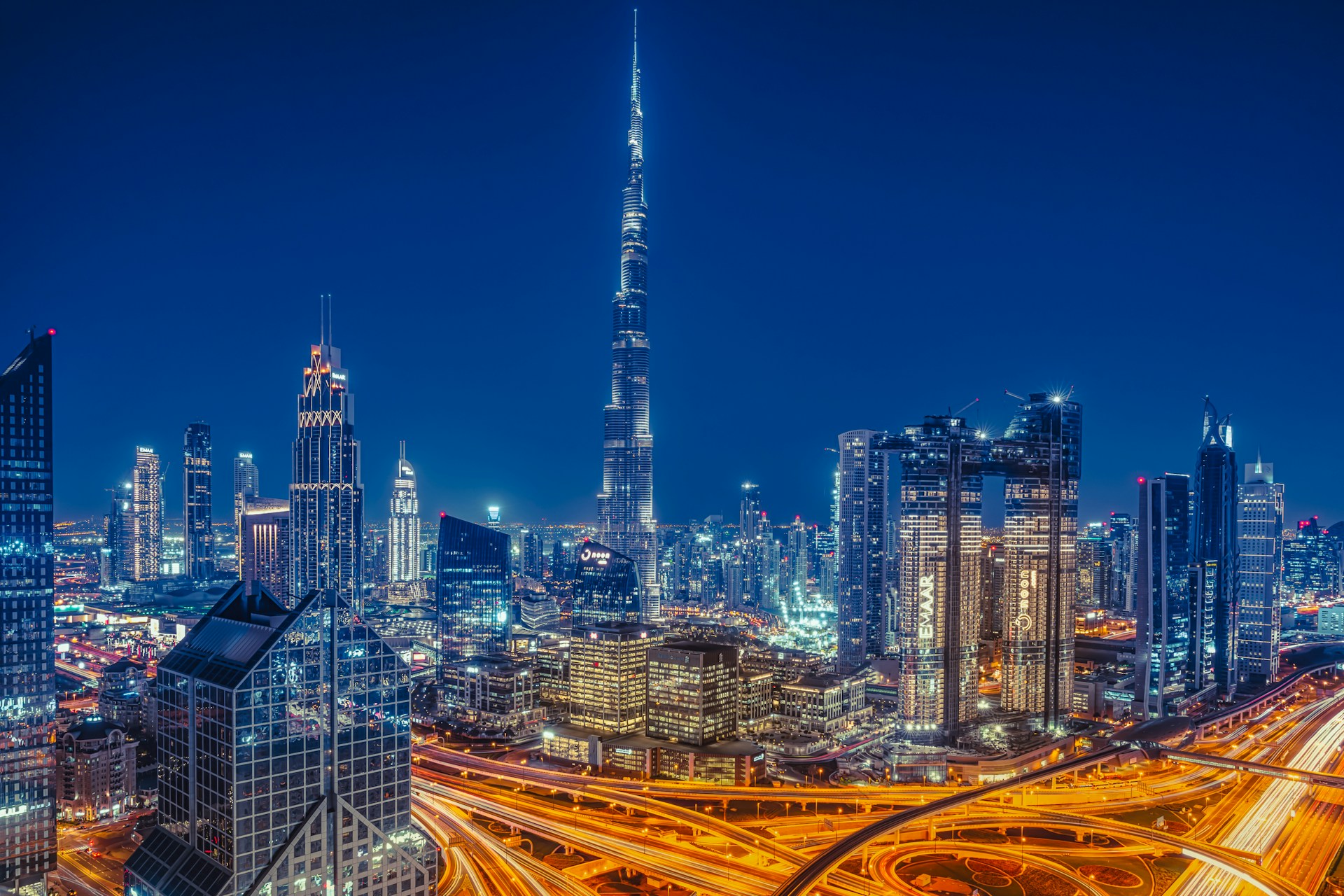
European tourists make up a large share of travellers to the region, followed by visitors from South Asia, the Americas and neighbouring Middle Eastern countries. Dubai alone relies heavily on regional visitors, with nearby markets accounting for more than a quarter of its total arrivals in 2025.
Economic Risks For The Region
Economists warn that the economic consequences could be significant if the conflict continues.
Oxford Economics estimates that tourist arrivals to the Middle East could drop between 11 percent and 27 percent in 2026. Earlier forecasts had expected tourism to grow by around 13 percent this year.
That shift could mean between 23 million and 38 million fewer international visitors than originally projected.
The financial implications are equally striking. Analysts estimate the potential loss in tourism spending could range from 34 billion to 56 billion US dollars.
The impact is likely to be more severe than in the past because tourism now plays a much larger role in the region’s economy, supporting millions of jobs and contributing a growing share of national GDP.
Hope That Tourism Will Recover
Despite the disruption, some industry players remain cautiously optimistic.
Ibrahim Mohamed, marketing director of the Middle East Travel Alliance, says bookings from international partners have slowed, but he believes the demand for the region will eventually return.
The Middle East has experienced tourism downturns before, he says, yet the industry has repeatedly bounced back once stability returns.
For now, though, the uncertainty surrounding the conflict is leaving the tourism sector in a holding pattern. From airlines to tour guides, many are waiting to see how events unfold before travellers feel confident enough to return.
{Source:EWN}
Follow Joburg ETC on Facebook, Twitter , TikTok and Instagram
For more News in Johannesburg, visit joburgetc.com