News
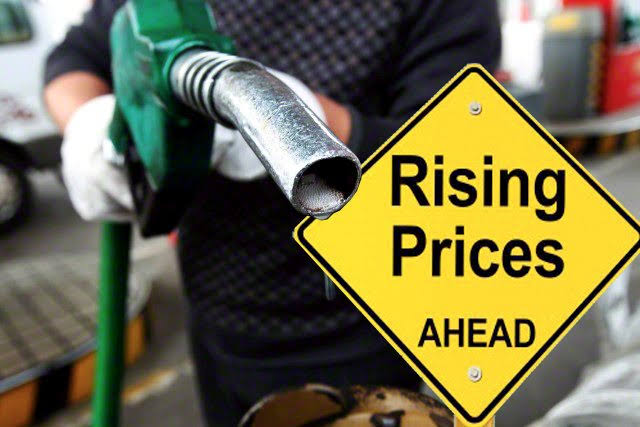
Brace yourself: May fuel prices could hit South Africans even harder
Brace yourself: May fuel prices could hit South Africans even harder
Just when drivers thought it couldn’t get worse
April’s fuel price hike already felt like a breaking point.
Petrol jumped, diesel surged even higher, and social media was flooded with jokes about “driving only when necessary” or not at all. But just weeks later, it looks like that pain might have only been the beginning.
Early projections for May 2026 suggest even steeper increases are on the way, potentially outpacing April’s already record-setting spike.
The numbers that have everyone worried
According to the Department of Mineral Resources and Energy (DMRE), current projections paint a grim picture:
- Petrol 93: +R5.93 per litre
- Petrol 95: +R6.30 per litre
- Diesel (0.05%): +R14.85 per litre
- Diesel (0.005%): +R14.91 per litre
- Illuminating paraffin: +R13.95 per litre
To put that into perspective, April’s increase softened slightly by a temporary R3.00 fuel levy reduction saw petrol rise by just over R3 per litre.
May could nearly double that.
Why prices are climbing so fast
The reasons behind the surge are largely global and largely out of South Africa’s control.
At the centre of it is rising tension in the Middle East, including conflict involving Iran and the United States. These developments have pushed oil prices sharply higher, with Brent crude climbing above $100 per barrel.
At the same time, the rand has weakened against the US dollar, making imported fuel even more expensive.
It’s a double hit:
- Higher global oil prices
- A weaker local currency
And together, they’re driving prices up fast.
Diesel: the silent economic pressure
While petrol increases grab headlines, it’s diesel that could quietly hit the economy the hardest.
Diesel powers:
- Trucks transporting food and goods
- Farming equipment
- Industrial operations
With projected increases nearing R15 per litre, businesses across logistics, agriculture, and manufacturing are likely to feel immediate pressure.
And in South Africa, those costs rarely stay with businesses they’re passed on to consumers.
Social media reaction: “We can’t keep up”
South Africans have taken to social media with a mix of frustration, humour, and disbelief.
Some are sharing screenshots of their last fuel receipts like war stories. Others are joking about switching to bicycles, carpooling permanently, or “Ubering life away.”
But beneath the humour is real concern.
For many households already juggling rising food prices, electricity costs, and interest rates, another fuel hike feels like one increase too many.

The ripple effect on everyday life
Fuel doesn’t just affect your car.
When fuel prices rise:
- Taxi fares often increase
- Food prices climb due to transport costs
- Delivery and logistics become more expensive
In a country where millions rely on public transport and daily commuting, the impact is widespread.
A reminder of how fuel pricing works
South Africa’s fuel price is shaped by two key factors:
- Global oil prices
- The rand/dollar exchange rate
Right now, both are working against consumers.
With oil sitting above $100 a barrel and the rand hovering near R17 to the dollar, the pressure is unlikely to ease in the short term.
The April 2026 petrol and diesel prices (Inland and Coastal):
| INLAND | April |
| Petrol 93 | R23.25 |
| Petrol 95 | R23.36 |
| Diesel 0.05% | R25.90 |
| Diesel 0.005% | R26.11 |
| Illuminating Paraffin | R24.21 |
| COASTAL | April |
| Petrol 93 | R22.46 |
| Petrol 95 | R22.53 |
| Diesel 0.05% | R25.07 |
| Diesel 0.005% | R25.35 |
| Illuminating Paraffin | R23.19 |
What happens next?
The final fuel price adjustments for May will only be confirmed closer to the implementation date, with changes expected to take effect at midnight on 5 May 2026.
And while projections can shift sometimes significantly the current outlook suggests little relief is on the horizon.
The bigger picture
South Africans have weathered fuel hikes before. But this moment feels different.
It’s not just one increase it’s a series of them, stacked on top of an already strained cost of living.
The real concern isn’t just how high prices will go, but how long they’ll stay there.
If April felt expensive, May might feel overwhelming.
And for many South Africans, the question is no longer “How much will fuel cost?”
It’s “How much more can we afford?”
{Source: The South African}
Follow Joburg ETC on Facebook, Twitter , TikTok and Instagram
For more News in Johannesburg, visit joburgetc.com