A hidden wildlife market thriving in plain sight
A disturbing new global report has pulled back the curtain on a booming illegal wildlife trade that is no longer confined to remote markets or hidden backrooms, but operating openly on Facebook.
South Africa has been flagged as one of the countries caught in this growing digital trafficking network, where endangered animals and wildlife products are being advertised, bought, and sold with alarming ease.
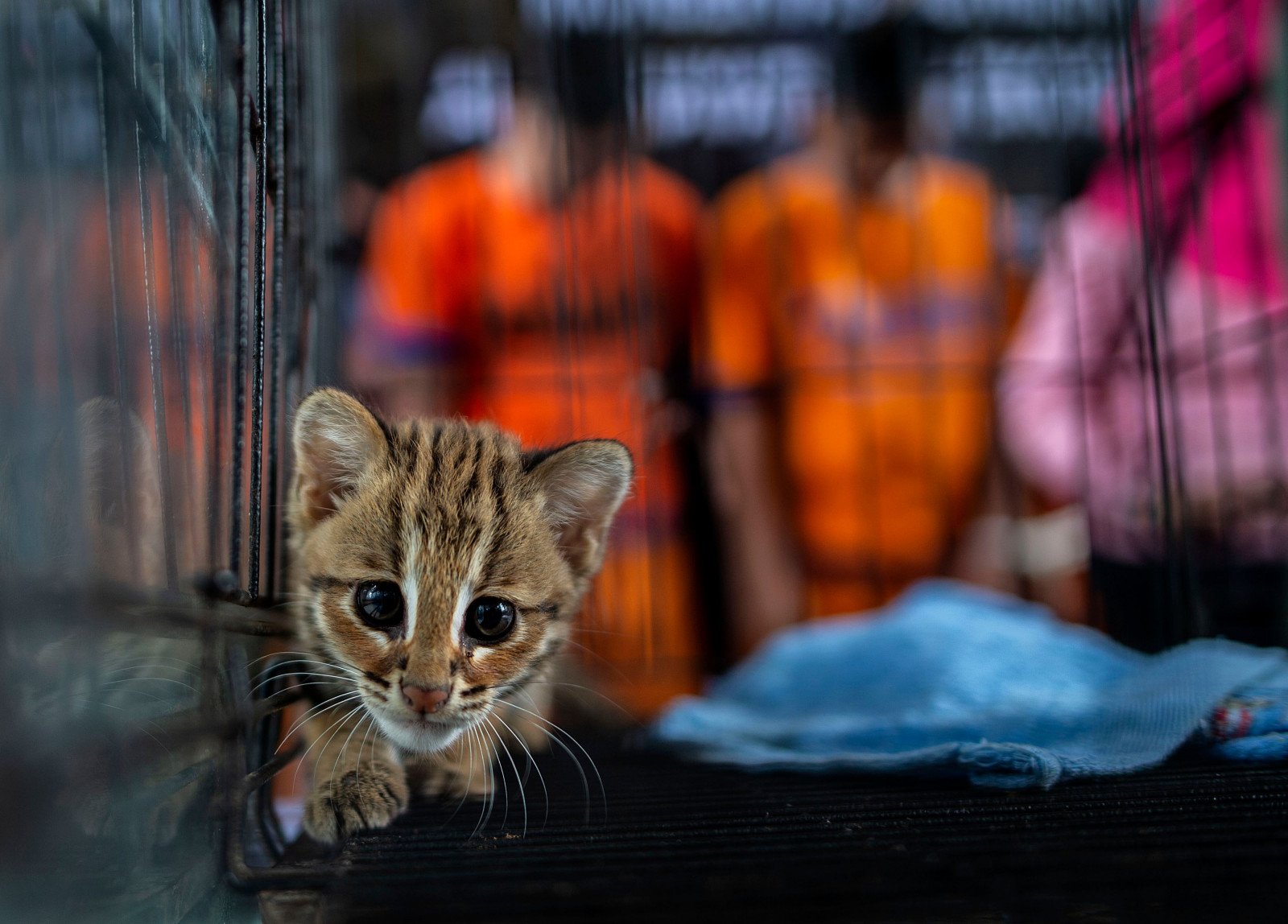
From pangolin scales to cobras, bats, scorpions, and even slow lorises, the listings span a wide range of protected species, many of them covered by strict international conservation laws.
Facebook emerges as the main marketplace
The study, conducted by the Global Initiative Against Transnational Organized Crime using the ECO-SOLVE Global Monitoring System, tracked online wildlife trade between April 2024 and March 2026.
Researchers Russell Gray and Simone Haysom identified more than 21,900 wildlife-related adverts across 61 online platforms. Shockingly, over 16,000 of these were found on Facebook aloneaccounting for roughly 74% of the global total.
Their conclusion was blunt: Facebook is not just another platform in this ecosystemit has become the central hub where illegal wildlife trade is concentrated and amplified.
South Africa in the global monitoring spotlight
South Africa forms part of a wider international monitoring effort due to its known vulnerability to environmental and organised crime networks.
The report highlights that countries selected for analysis were often those already flagged for high levels of organised crime activity and active online wildlife markets.
Rather than being isolated incidents, the findings show that wildlife trafficking now operates as a cross-border digital economyanimals are sourced in one region, advertised online in another, and shipped across continents.
Endangered species traded like everyday products
One of the most alarming findings is how openly the trade is conducted.
More than 80% of Facebook-linked adverts involved species protected under the strictest international conservation rules. In many cases, users did not even need to actively search for the contentsuggesting that platform algorithms and group recommendations are helping expose illegal listings to wider audiences.
Around 60% of the adverts included prices, with the total estimated value exceeding $66 million, almost entirely linked to Facebook-based listings.
Social media’s role under growing scrutiny
The research suggests Facebook groups are the main entry points for this trade, acting as digital marketplaces where listings are posted and circulated at scale.
Despite existing platform policies banning wildlife trafficking, the report argues that enforcement has not kept pace with activity.
Voluntary efforts by technology companies, according to the researchers, have failed to meaningfully disrupt the trade.
Instead, illegal listings continue to surface, adapt, and spread across networks.
Calls for tighter regulation and accountability
The report is now calling for stronger interventionarguing that without structural change, the problem will persist inside mainstream social media platforms.
Researchers are urging improved monitoring in multiple languages, better detection systems, and stronger accountability for tech companies hosting illegal activity.
“Without structural changes and meaningful oversight,” the report warns, “online wildlife trafficking will continue to be concentrated, encountered and scaled through mainstream digital platforms.”
A digital crisis hiding in everyday scrolling
What makes the findings especially unsettling is how ordinary the platform is in everyday life.
Facebook, used daily by millions across South Africa and the world, has now been identified as the primary stage for a global wildlife trafficking networkone that operates in plain sight, hidden between community posts, marketplace listings, and group discussions.
As conservationists and investigators push for urgent reform, the report raises a difficult question: how much of the internet’s “normal” activity is quietly connected to something far more dangerous beneath the surface?