Business
The cheapest pension fund in South Africa is hiding in plain sight
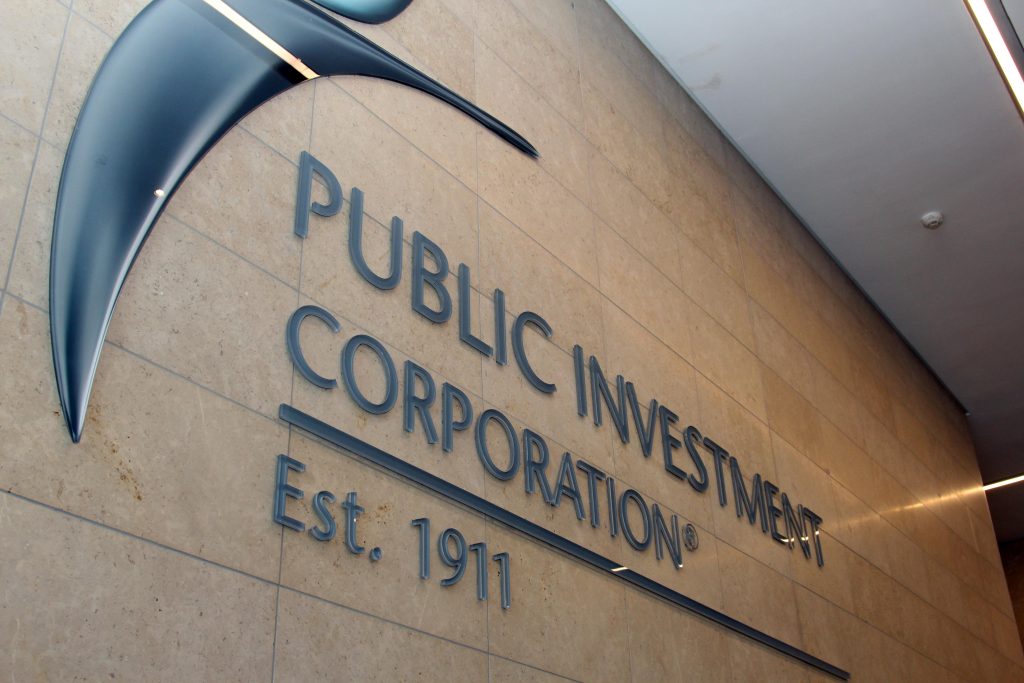
For many South Africans, retirement products come with one quiet worry that never really goes away: fees.
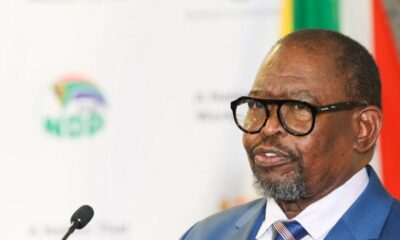
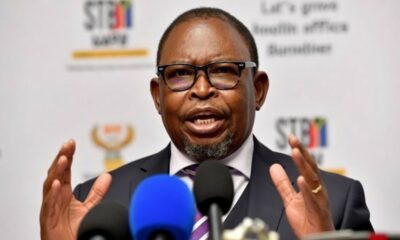
They do not always make the headlines. They do not show up with the same drama as market crashes or interest rate hikes. But over time, they can quietly eat into the money meant to support people after decades of work. That is why a newly revealed figure around the Public Investment Corporation, better known as the PIC, has turned heads. According to Finance Minister Enoch Godongwana, the PIC charges total management fees of just 0.04% of assets under management. In a country where investors often compare products down to the decimal point, that number is strikingly low.
It matters even more because the PIC manages money on behalf of the Government Employees Pension Fund, or GEPF, which is one of the most important retirement vehicles in the country. For public servants, that means more of the fund’s returns stay in the pot instead of being shaved off by administration and management costs.
Why this number matters so much
Fees may sound small on paper, but over the years, they can make a meaningful difference. A lower cost base gives more room for long-term growth, especially in a pension environment where consistency matters more than hype.
Godongwana said the PIC’s low-fee structure creates substantial cost savings for the GEPF and helps ensure that more of the investment return accrues to members. In plain language, less money is lost to fees and more stays with the people whose retirements depend on it.
That is a big talking point in South Africa right now. Households are already stretched by high living costs, unstable growth and long-running pressure on personal finances. In that climate, any sign that retirement money is being managed efficiently is bound to resonate.
Not every PIC fee is the same
The headline number is 0.04%, but that is the overall picture across the full asset base. The actual fee depends on what kind of asset the PIC is managing.
Godongwana explained that listed equities are charged at 0.03% of assets under management, while fixed income sits even lower at 0.02%. More complex areas cost more. The property portfolio is charged at 0.26%, and the Isibaya Fund, which holds unlisted investments, is charged at 0.43%.
That difference is not unusual. Property and unlisted investments are generally more hands-on, more specialised and harder to manage than plain vanilla listed assets. Even so, the minister said these higher PIC fees still sit at the lower end of market norms.
The manager behind trillions
The scale here is enormous. Godongwana said the PIC had R3.72 trillion in assets under management at the end of January 2026. That is up sharply from R3.05 trillion at the end of March 2025, which points to notable growth in a relatively short period.
The size of that portfolio helps explain why the fee story matters. When a manager oversees trillions of rand, even a tiny percentage in charges translates into serious money.
So far in 2026, the PIC has already earned R1.46 billion in management fees, up from R1.31 billion in 2025. Those fees are a major source of revenue for the corporation and help fund its operations.

Image 1: Daily Investor
Cheap does not mean simple
There is another side to this story. Low fees are good for members, but they also put pressure on the institution earning them.
In its Corporate Plan for 2025/26 to 2027/28, the PIC makes it clear that competitive management fees are part of its positioning and that stakeholders expect those fees to be contained. At the same time, the plan also notes that increasing management fees could be one route to stronger long-term financial sustainability for the organisation itself.
That creates an interesting balancing act. On one hand, clients want costs kept low. On the other hand, the manager still has to fund its operations, grow responsibly, and remain sustainable over the long term. It is a reminder that in asset management, lower is attractive, but lower also has to be workable.
The bigger South African conversation
This is the kind of story that lands differently in South Africa because trust in institutions is always under scrutiny. People want to know where public money goes, who manages it, and whether value is really flowing back to ordinary members.
That is why this fee figure feels bigger than a technical finance update. It taps into a broader question many South Africans are asking: when huge pools of money are being managed in the public interest, are people actually getting a fair deal?
In this case, the answer appears to be yes on costs at least. The PIC’s fee model, as outlined by the minister, suggests a structure designed to preserve more value for pension members rather than allowing fees to swallow returns.
For pension fund members, especially government employees, that is no small thing. In an era where every rand counts, paying almost nothing in management fees is the kind of financial detail that can have a very real impact later in life.
Follow Joburg ETC on Facebook, Twitter, TikT
For more News in Johannesburg, visit joburgetc.com
Source: Daily Investor
Featured Image: Moneyweb