‘Justice has been done’: Gun violence groups and firearm advocates unite over Malema ruling
Rare agreement in a divided debate
South Africa’s gun debate is usually sharply split.
On one side are activists calling for stricter firearm controls. On the other are legal gun owners defending the right to responsible ownership.
But after Julius Malema’s sentencing over firearm-related offences, both camps found something unusual: common ground.
Groups that often disagree on almost everything said the ruling sends an important message that firearms are serious tools governed by law, not props for politics.
Why the case matters beyond Malema
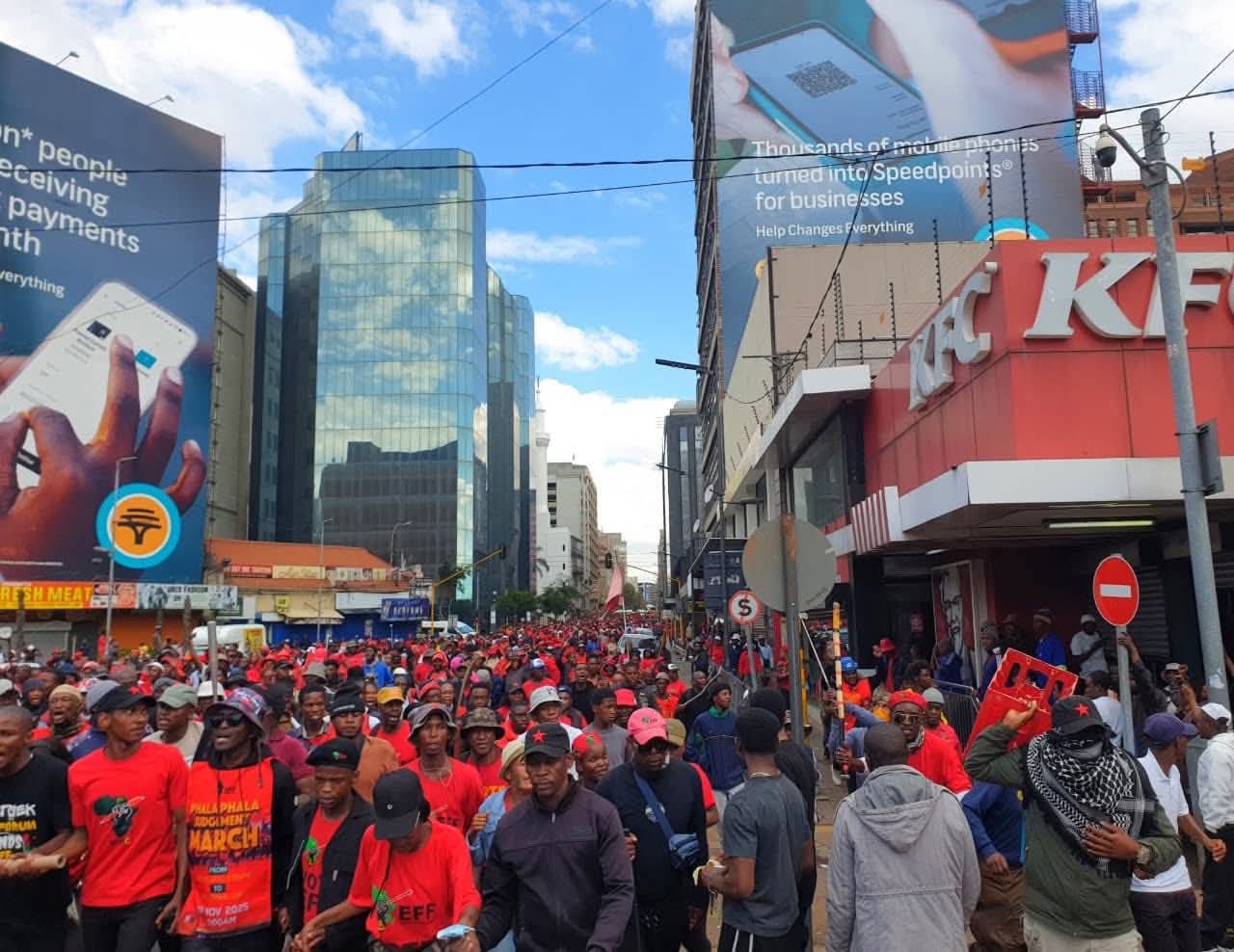
The case stems from Malema firing a gun during the EFF’s anniversary rally in Mdantsane in 2018.
For many South Africans, the legal outcome is not only about one politician. It is about what standards should apply when public figures handle weapons in front of crowds.
That issue carries weight in a country battling one of the world’s highest levels of gun violence.
When leaders are seen behaving recklessly with firearms, critics say it can normalise dangerous attitudes.
Anti-gun campaigners welcome accountability
Gun violence prevention advocates said the sentence reinforces a basic democratic principle: no one is above the law.
They argued that influential public figures carry extra responsibility because their behaviour can shape public attitudes.
According to campaigners, firing into the air in a crowded setting is not harmless theatre. Falling bullets and uncontrolled discharge can cause real injury or death.
That warning is familiar in South Africa, where accidental shootings and illegal firearm incidents are regular headlines.
Gun owners also support the ruling
Perhaps the most striking response came from legal firearm advocates.
Representatives for gun owners said lawful possession comes with strict obligations and anyone who breaks firearm laws should face the same justice process as everyone else.
They praised the fact that Malema had legal representation, received a hearing and was sentenced through due process.
For this group, the principle is clear: defending legal ownership also means supporting consequences for misuse.
Why this consensus is significant
It is rare for anti-gun activists and firearm rights groups to agree publicly.
That they did so here suggests the case crossed ideological lines.
The common thread was responsibility.
Whether one supports tighter restrictions or private ownership, both sides argued that recklessness with guns cannot be excused by political status, popularity or symbolism.
Political reaction spreads wider
The ruling also triggered responses across the political spectrum.
AfriForum, which lodged the complaint, said the outcome showed persistence can deliver accountability.
Cape Town Mayor Geordin Hill-Lewis said the sentence underlined the need for law and order, especially in a country struggling with violent crime.
Build One South Africa leader Mmusi Maimane urged restraint, saying people should not rush to celebrate another person’s downfall.
Gayton McKenzie took a more personal tone, saying prison affects families deeply and should not be treated as entertainment.
South Africa’s larger gun crisis
Behind the politics sits a grim national reality.
Many South Africans live with daily fears around robbery, gang shootings, domestic violence and stray bullets.
In some communities, gunfire is not shocking news it is background noise.
That reality helps explain why this case resonated so strongly. It touched a national nerve about safety, impunity and leadership.
More than a celebrity conviction
High-profile cases often become symbolic.
To supporters of Malema, the ruling may feel politically charged.
To critics, it is overdue accountability.
But to many ordinary citizens, the deeper issue is simpler: if laws around firearms mean anything, they must apply equally.
What message the ruling sends
This judgment appears to have delivered a rare civic message that cuts across divides:
- Guns require responsibility
- Crowds and firearms are a dangerous mix
- Fame does not erase legal consequences
- Public leaders should model restraint, not recklessness
Final takeaway
South Africa remains deeply divided on politics, race and gun policy.
Yet for a moment, rivals in the gun debate agreed on one thing: the law must matter.
That may be the most powerful part of the Malema ruling not who was sentenced, but what standard was affirmed.