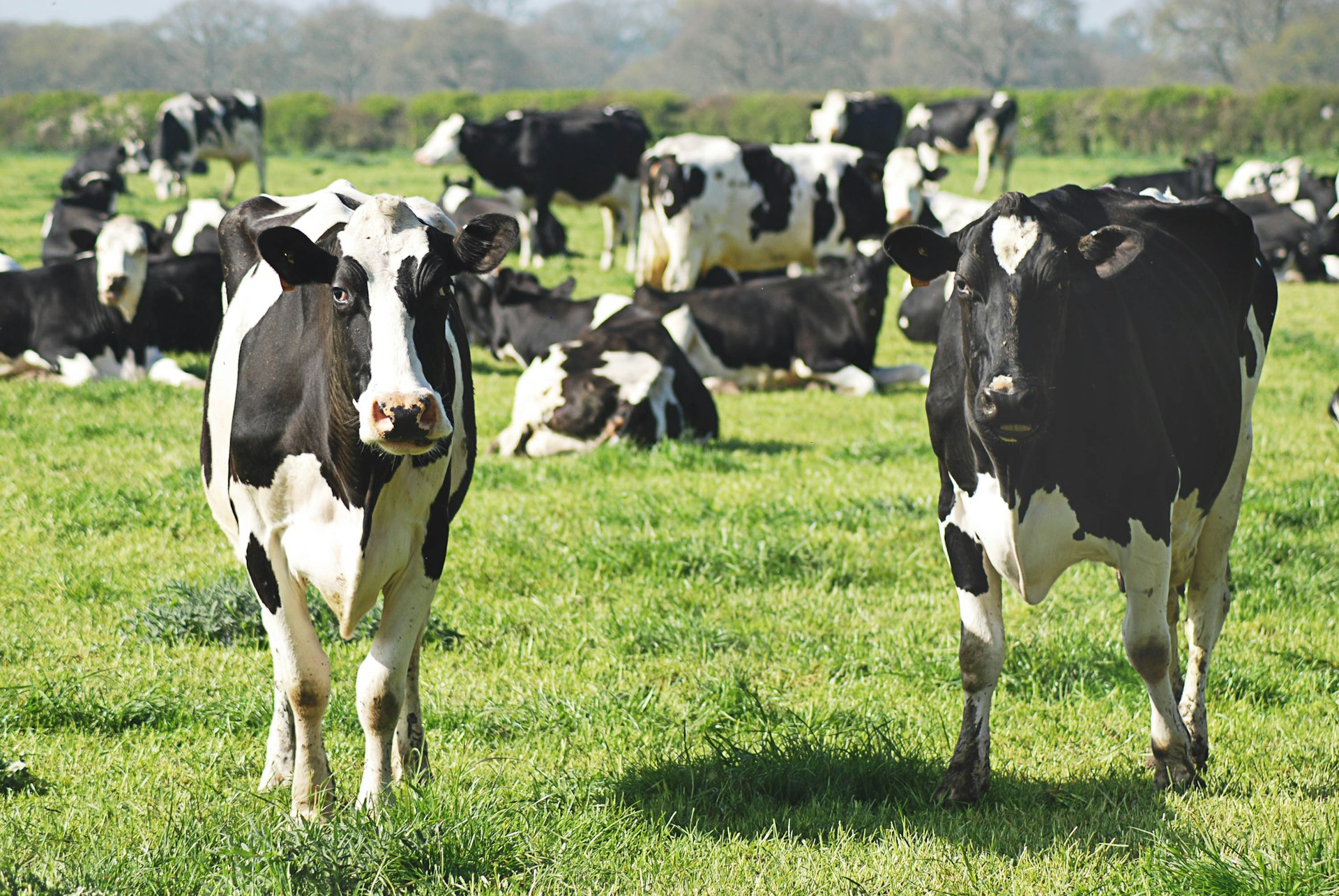
Gauteng’s battle against foot-and-mouth disease is starting to feel less like a controlled operation and more like a race against time. And according to the Democratic Alliance, the province may already be losing ground.
With more than 200 active outbreaks now confirmed and hundreds of thousands of animals at risk, concerns are growing that the current response is not moving fast or clearly enough to protect farmers and the wider food supply chain.
DA Questions Lack Of Clear Plan
The DA in Gauteng has taken aim at the provincial government, accusing it of failing to present a structured and coordinated strategy to deal with the outbreak.
In a direct appeal to Gauteng Agriculture MEC Vuyiswa Ramokgopa, DA MPL and shadow MEC for agriculture Bronwynn Engelbrecht described the response as fragmented and reactive. Her concerns come after a recent departmental briefing that acknowledged the severity of the situation but, in her view, stopped short of offering practical solutions.
For farmers on the ground, the uncertainty is where the real pressure lies. Questions around vaccination timelines, rollout plans, and overall targets remain unanswered. Without that clarity, protecting livestock becomes a guessing game.
Farmers Left In The Dark
Foot-and-mouth disease is not new to South Africa, but each outbreak carries serious consequences. It disrupts trade, threatens livelihoods, and can ripple through the economy, especially in provinces where agriculture plays a key supporting role.
Engelbrecht argues that the lack of clear communication is making an already difficult situation worse. Farmers, she says, are still waiting for guidance on when vaccines will reach their farms and how the programme will unfold.
In a sector where timing is everything, delays or confusion can mean the difference between containment and widespread loss.
Call For Better Transparency
One of the DA’s key proposals is the introduction of a live tracking system to monitor the rollout of vaccines and other interventions. The idea is not new. The Western Cape has already implemented a similar dashboard, giving farmers and stakeholders real-time insight into progress.
In Gauteng, however, that level of transparency is still missing. While vaccination figures have been shared, there are no clear targets or timelines to measure success against. That gap, Engelbrecht says, is eroding confidence in the province’s ability to manage the crisis.
Questions Around Enforcement Measures
Movement control is another critical tool in containing foot-and-mouth disease. Restrictions, roadblocks, and inspections are meant to limit the spread between farms and regions.
But here too, the DA says the details are thin. Although authorities have indicated that enforcement has been stepped up, there is little publicly available data to show how effective those measures have been.
Without clear statistics, it becomes difficult to assess whether the controls are working or simply giving the impression of action.
National Efforts Under Pressure
At a national level, efforts to ramp up vaccination are gaining momentum, but challenges remain.
The Agricultural Research Council has released an additional 20 000 locally produced vaccine doses to support the rollout, part of a broader push to reduce reliance on imports. Production is expected to continue at around 20 000 doses a week, adjusted to match circulating strains.
By late March, more than 1.7 million animals had already been vaccinated across the country. A further 3.5 million doses from international suppliers are expected to arrive soon, which could significantly accelerate the programme.
Agriculture Minister John Steenhuisen has set an ambitious target of vaccinating 80 percent of livestock by the end of the year, a goal that hinges on both supply and efficient distribution.
A Growing Risk To Food Security
Beyond the farms, the stakes are much higher. Foot-and-mouth disease has the potential to disrupt food production, affect prices, and place additional strain on an already pressured agricultural sector.
In Gauteng, where farming may not dominate the landscape in the same way as rural provinces, the knock-on effects are still deeply felt. Supply chains stretch far beyond provincial borders, linking producers, retailers, and consumers across the country.
For now, the debate is less about whether the outbreak is serious and more about whether the response is strong enough to contain it.
And as the numbers climb, the pressure on government to move from reactive measures to a clear, decisive plan is only growing.