Ramaphosa says commissions were worth it as R16 billion is recovered and police shake-up begins
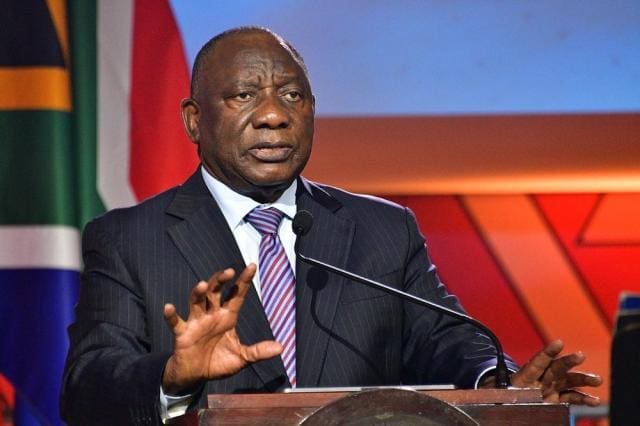
President Cyril Ramaphosa has pushed back against criticism that South Africa’s commissions of inquiry are expensive talk shops, saying they have delivered real results including the recovery of nearly R16 billion allegedly looted from public funds.
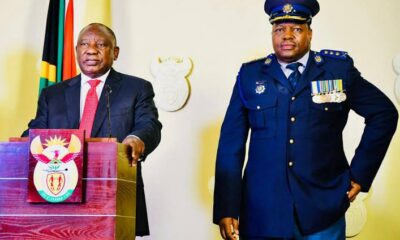
Speaking to the media on Thursday, Ramaphosa defended both the Zondo Commission and the Madlanga Commission, arguing that without them, corruption networks and institutional failures may have remained hidden far longer.
His message was blunt: these commissions cost money, but doing nothing would have cost far more.
“It was not a waste”
Ramaphosa said criticism that the Zondo process achieved little ignores what has already been recovered.
According to the president, almost R16 billion has been clawed back after being unlawfully taken from state coffers.
For many South Africans, that figure will stand out in a country where power cuts, crumbling infrastructure and unemployment have often been linked to years of corruption and poor governance.
He also stressed that the impact of the inquiry goes beyond money. New laws, tighter systems and ongoing investigations are part of the legacy still unfolding.
Why the Zondo Commission mattered
The Zondo Commission was established in January 2018 to investigate allegations of state capture, fraud and corruption.
Its public hearings became required viewing for many citizens, exposing how public institutions were allegedly manipulated for private gain. The process ran until June 2022 and produced extensive findings.
In township taxis, office canteens and social media threads, “state capture” became everyday language during those years a sign of how deeply the issue entered national consciousness.
Madlanga inquiry and police reform
Ramaphosa also said the Madlanga Commission had helped expose serious weaknesses inside policing structures.
He argued that without the inquiry, current misconduct and internal failures may not have surfaced when they did.
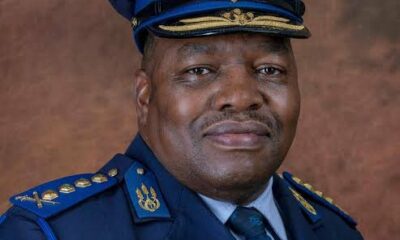
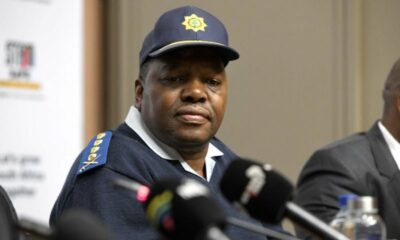
That defence came with immediate action: Ramaphosa announced the suspension of National Police Commissioner Fannie Masemola.
He also named Puleng Dimpane as acting national commissioner.
Rebuilding trust in SAPS
The president said broader reform is now underway inside the South African Police Service, including vetting senior officers and creating specialised teams.
That may resonate with citizens who have long complained about slow responses, corruption claims and declining confidence in law enforcement.
Across South Africa, trust in institutions is often measured less by speeches and more by lived experience: whether police arrive, whether cases move, whether justice is visible.
A country shaped by past commissions
Ramaphosa’s remarks also reopened debate about earlier inquiries.
The Seriti Commission into the 1999 Arms Deal was widely criticised by opponents as ineffective.
The Marikana Commission, formed after the killing of 34 mineworkers in 2012, recommended reforms and prosecutions. Yet many families still say justice remains unfinished.
That mixed history explains why some South Africans remain sceptical whenever a new commission is announced.
The bigger political test
Ramaphosa is betting that accountability can be rebuilt through investigation, reform and recovery.
Supporters say commissions create a record that cannot be erased. Critics say findings mean little without faster prosecutions and visible consequences.
Both views can be true.
For now, the president wants South Africans to see commissions not as costly symbolism, but as tools that helped recover billions and trigger overdue change. Whether that argument lands may depend on what happens next, especially in the police service and the courts.