Are Ramaphosa’s police suspensions fixing SAPS or deepening the crisis?
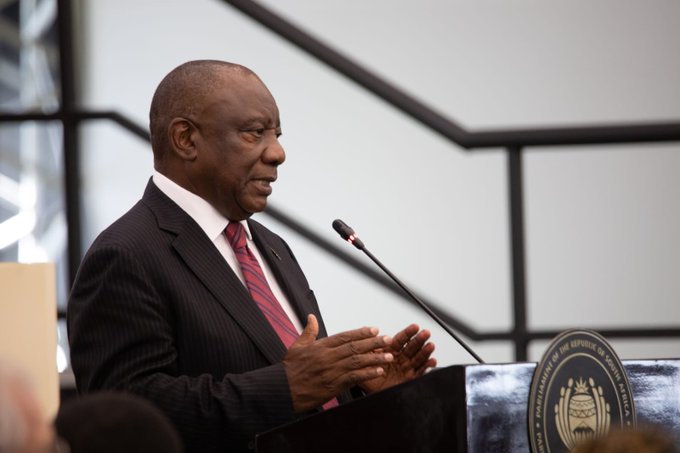
President Cyril Ramaphosa has once again turned to suspensions in an effort to steady the troubled South African Police Service. But while some see the move as decisive leadership, others warn it may simply be another short-term fix for a much deeper problem.
Ramaphosa recently placed National Police Commissioner Fannie Masemola on precautionary suspension and appointed Puleng Dimpane as acting commissioner.
The decision comes amid mounting pressure over policing failures and the work of the Madlanga Commission of Inquiry, which is examining allegations that criminal syndicates have infiltrated police structures.
A pattern of suspensions
For many South Africans, this latest move feels familiar.
According to critics, it is the fifth suspension linked to instability since the commission began. Each time, the promise is accountability. Each time, the country waits to see whether anything fundamentally changes.
Professor Kholofelo Rakubu of Tshwane University of Technology argued that suspensions have become government’s go-to crisis management tool.
She said such actions may ease political pressure and create the appearance of action, but risk avoiding deeper institutional reform.
That criticism touches a nerve in South Africa, where public frustration often centres on announcements that sound bold but lead to little visible change.
The danger of “leadership paralysis”
Rakubu also warned that repeated acting appointments can weaken the police service.
When top positions are temporary, long-term planning often stalls. Senior officers may hesitate to make bold decisions. Internal factions can wait out acting leaders rather than follow them.
Her concern is that SAPS is drifting into what she called leadership paralysis a state where everyone is in charge, yet no one fully leads.
For communities facing daily crime, that is not an abstract governance issue. It can mean slower reform, weak morale and continued distrust.
Others say the move was overdue
Not everyone agrees.
Ian Cameron, who chairs Parliament’s police committee, said the suspension was necessary to restore credibility at a time when confidence in SAPS has been badly damaged.
He said accountability must apply even at the highest levels and stressed that suspension does not mean guilt.
That distinction matters. In democratic systems, precautionary suspension is meant to protect investigations and institutional integrity, not pre-judge outcomes.
Why trust in SAPS is so fragile
South Africans judge policing through lived experience: response times, unresolved dockets, violent crime rates and whether connected people appear untouchable.
That is why leadership decisions inside SAPS generate such strong reactions online. Some users praised Ramaphosa for acting. Others asked why meaningful reform always seems to arrive only during scandal.
The frustration reflects years of instability at the top of policing.
Symbolism vs structural change
Ramaphosa’s challenge is no longer just replacing one commissioner with another.
The bigger question is whether suspensions are being used as symbols of accountability while deeper problems remain untouched political interference, poor vetting, weak discipline systems and capacity gaps.
Without addressing those issues, any new acting commissioner may inherit the same broken machine.
Acting commissioner Dimpane now steps into one of the toughest jobs in the country: leading a police service under public scrutiny while crime remains high.
If Ramaphosa follows suspensions with lasting reform, this moment could mark a turning point.
If not, South Africa may simply add another acting title to a growing list, while the real crisis continues.