South Africa’s top court has delivered a ruling that reshapes how the South African Human Rights Commission operates, but it stops short of weakening the institution at the centre of it all.
In a judgment handed down this week, the Constitutional Court made it clear that while the SAHRC can issue directives after investigating human rights violations, those instructions are not automatically enforceable.
At first glance, it may sound like a limitation. But the court was equally firm on one point. The commission still matters. A lot.
What The Court Actually Said
The ruling draws a line between recommendation and enforcement.
After concluding an investigation, the SAHRC is allowed to recommend what should be done to fix a rights violation. But if those recommendations are ignored, the commission or the affected individuals must turn to the courts to make them legally binding.
This interpretation places the SAHRC firmly in an investigative and facilitative role, rather than a judicial one. In simple terms, it can expose wrongdoing and point to solutions, but it cannot enforce compliance on its own.
Why This Matters In Practice
For many South Africans, especially those in vulnerable communities, the SAHRC is often the first port of call when rights are violated.
The case that triggered this legal clarification highlights exactly why. It involved farm occupiers in Mpumalanga who were denied access to water, a basic necessity tied to dignity and survival.
In situations like this, the commission’s findings can carry serious weight. The court acknowledged that SAHRC reports often form a strong evidentiary foundation when cases move into the legal system.
But there is a catch. If enforcement always requires a trip to court, it can mean longer delays, higher costs, and more pressure on already stretched legal resources.
A Commission With Influence, Not Force
Despite the limits on its powers, the court pushed back against any suggestion that the SAHRC is ineffective.
It emphasised that the absence of binding authority does not strip the commission of its constitutional importance. In fact, its ability to investigate, document abuses, and shine a light on violations remains one of its strongest tools.
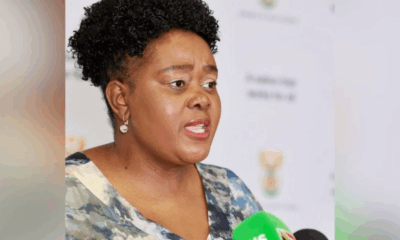
SAHRC spokesperson Wisani Baloyi said the commission will study the judgment closely to understand how it shapes future work. He also pointed out that the ruling answers long-standing constitutional questions about what happens when directives are ignored and how far the commission’s authority extends.
The Bigger Picture For Human Rights In SA
The decision speaks to a broader tension in South Africa’s legal system. Independent bodies like the SAHRC are designed to be accessible and responsive, especially for people who may not have the means to approach the courts directly.
Requiring court enforcement in every case of non-compliance could slow down justice for those who need it most. At the same time, the ruling reinforces the separation of powers, ensuring that only courts issue binding legal orders.
For now, the SAHRC says it remains committed to using every tool at its disposal, including litigation when necessary, to secure justice for those whose rights have been violated.
The message from the court is clear. The commission may not have the final say, but it still plays a critical role in making sure South Africans are heard.