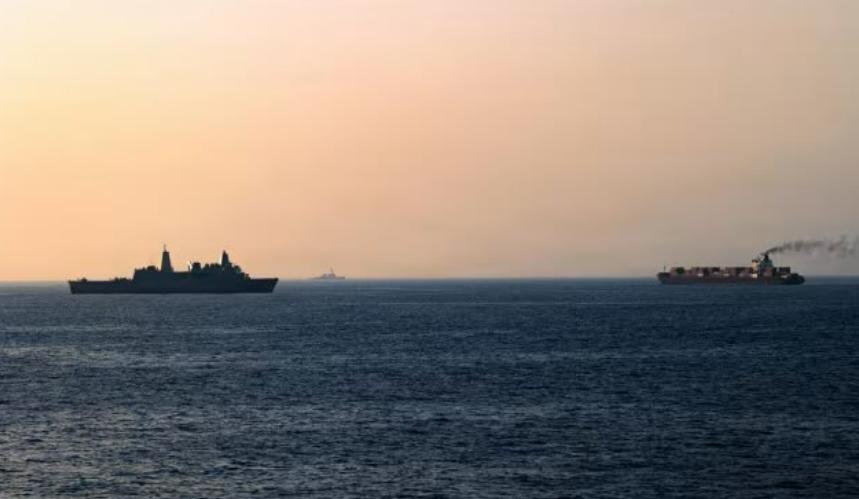
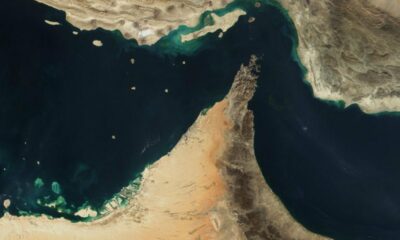
It starts with a narrow stretch of water thousands of kilometres away. But right now, what happens in the Strait of Hormuz is quietly shaping the price of goods, the pace of production, and the decisions being made inside factories across the world.
This critical shipping lane, responsible for moving roughly a fifth of the world’s oil every day, is once again under the spotlight. And as tensions rise, the ripple effects are being felt far beyond energy markets.
How A Distant Conflict Lands On Factory Floors
The chain reaction is simple, but brutal in its impact.
When oil prices climb, fuel becomes more expensive. That pushes up the cost of moving goods, whether by sea, air, or road. Shipping companies adjust their fees, airlines raise cargo rates, and transport networks pass those increases along.
For manufacturers, especially those exporting goods, this creates a serious problem. Pricing a contract suddenly becomes a guessing game. If you cannot predict what it will cost to deliver your product in a few weeks, how do you commit to a price today?
Factories in major production hubs like Guangdong and Shenzhen are already feeling this pressure. The uncertainty is not just inconvenient, it is paralysing.
Orders Shrink As Buyers Play It Safe
The uncertainty is now showing up in global order books.
Instead of placing large, long-term orders, many buyers are scaling back. Smaller, short-term commitments are becoming the safer option. Some are choosing to wait entirely, hoping that shipping costs will stabilise.
Individually, these decisions make sense. Collectively, they are slowing down manufacturing demand in a noticeable way.
For exporters, especially in China, the squeeze is coming from both ends. It is becoming more expensive to ship finished goods out, while the cost of bringing in raw materials is also rising. That double pressure is forcing difficult choices.
Absorb the losses, risk losing customers by increasing prices, or slow down production. Increasingly, companies are choosing to pause and wait.
A Crisis That Is Speeding Up An Existing Shift
What is happening now is not just a short-term disruption. It is colliding with deeper changes already underway in global supply chains.
The COVID-19 pandemic exposed how fragile highly concentrated production systems can be. Add in ongoing trade tensions between major economies, and companies have already started looking for alternatives.
This has led to the rise of the “China plus one” strategy. Businesses are building additional manufacturing bases in countries like Vietnam, Indonesia, and India to reduce reliance on a single location.
The current instability around the Strait of Hormuz is not creating this shift. It is accelerating it.
When Everything Moves At Once
What makes this moment different is the timing.
Energy volatility, geopolitical tension, and softer consumer demand in Western markets are all happening at the same time. Global supply chains were designed for efficiency in stable conditions, not for multiple shocks hitting simultaneously.
That pressure is forcing companies to rethink how they operate.
The long-standing just-in-time model, which focused on minimal inventory and maximum efficiency, is slowly being replaced. In its place, businesses are building buffer stock, diversifying suppliers, and investing more in tracking and managing their supply chains.
It is a more expensive way of doing business. But it is also more resilient.
What It Means For Africa
For countries like South Africa and others across the continent, there is a bigger picture to consider.
As global manufacturers look to spread their risk, new opportunities are opening up. Regions that can offer stable environments, reliable logistics, and access to growing markets are becoming more attractive.
Africa has long spoken about industrialisation and becoming a bigger player in global manufacturing. The current reshaping of supply chains suggests that the window for that ambition may be opening wider.
The question now is whether policymakers and industry leaders can move quickly enough to take advantage of it.
A Small Passage With A Massive Impact
The Strait of Hormuz has always been more than just a shipping route. It is a pressure point in the global economy.
Right now, it is sending a clear signal. When instability hits a critical artery of global trade, the consequences do not stay local. They travel across oceans, through supply chains, and into everyday business decisions.
And for manufacturers trying to navigate an uncertain world, that signal is getting harder to ignore.