Health
Motsoaledi rejects claims that lenacapavir causes HIV or cancer, says demand is rising
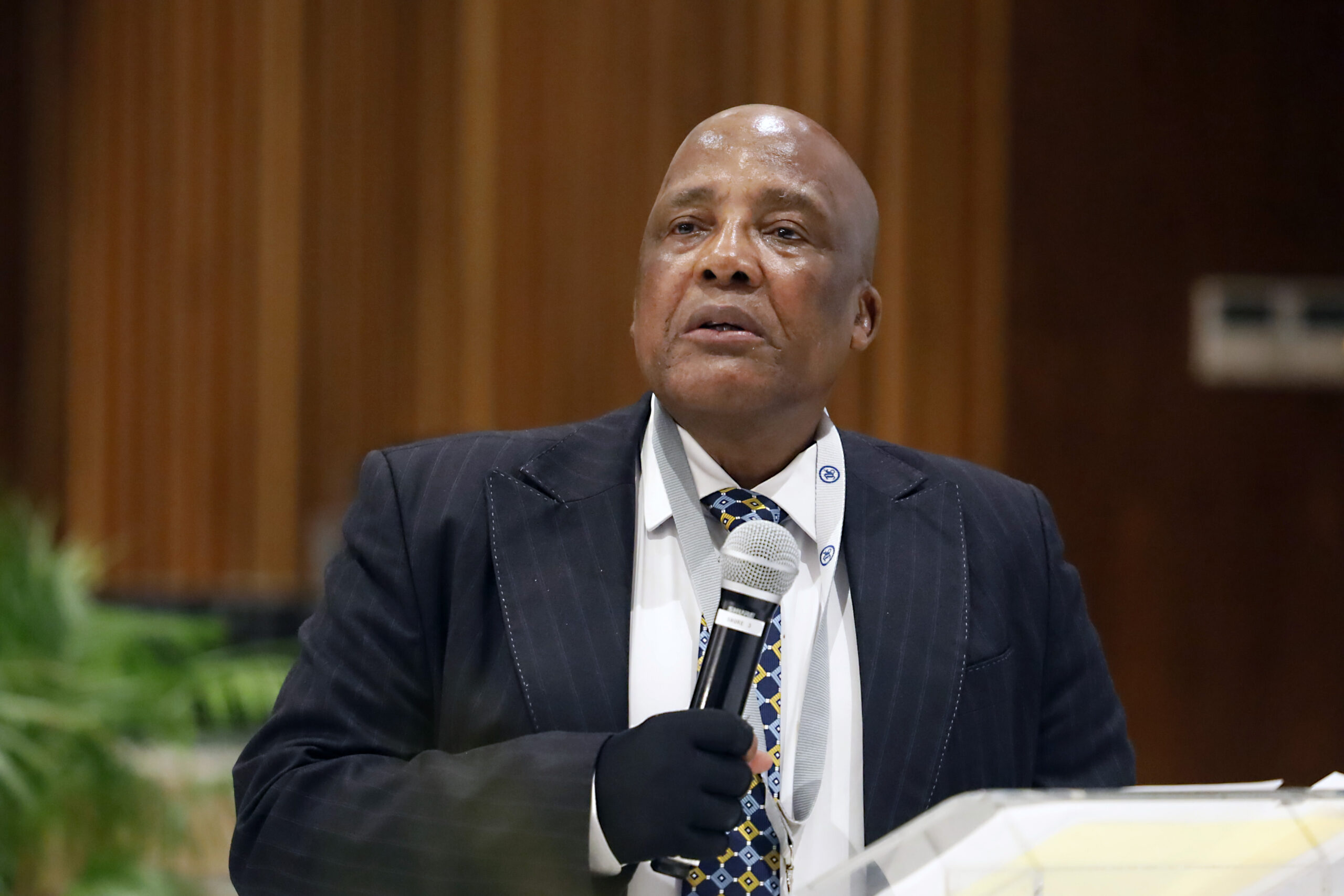
Health Minister Dr Aaron Motsoaledi told Parliament that lenacapavir does not cause HIV, cancer or other diseases and described the drug’s side effects as generally mild and manageable. He also said demand for the twice-yearly HIV prevention injection is rising sharply as initial rollout expands.
Minister addresses misinformation in National Assembly
Responding to oral questions in the National Assembly on Wednesday, Motsoaledi said false claims circulating in the public domain could undermine confidence in the medicine. He described lenacapavir as an HIV prevention medicine and an HIV capsid inhibitor that works by preventing HIV from establishing infection in the body.
“Let me state upfront, that most medicines and drugs do have side effects. There are very few who don’t have any at all. What doctors do is to weigh the benefits versus the cons,”
Motsoaledi stressed that side effects are present in most medicines but are generally mild and not experienced by all patients. He rejected claims that the drug causes serious illness:
“Lenacapavir does not cause HIV. It does not cause cancer, nor does it cause any known disease,”
he said.
Side effects and safety monitoring
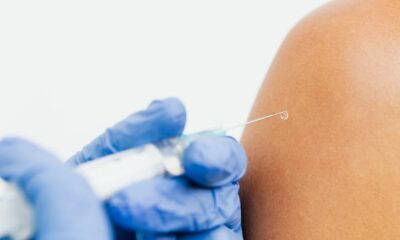
The minister listed anticipated reactions at the injection site as possible side effects, including redness, pain, swelling, itching or the development of small lumps under the skin. He said these can occur because the product is an injection and has a depot effect as it is administered every six months:
“Because it’s an injection, you can get a reaction on any injection site. It can be red, a little bit painful, a little bit swelling, or it can be itching,”
he said.
Other possible but generally mild side effects mentioned were nausea, headaches and fatigue, and Motsoaledi said severe reactions are rare. He added that adverse events are monitored through a pharmacovigilance system the department has put in place to ensure any serious reactions are identified and managed quickly.
Communication and rollout progress
To counter misinformation, Motsoaledi said government has developed a social mobilisation and communication strategy that includes public awareness campaigns and work with the South African National AIDS Council (SANAC). He said community health workers and media campaigns are part of the effort and that recent national rollout events were used to inform and reassure the public.
President Cyril Ramaphosa officially launched the rollout of lenacapavir in Secunda, Mpumalanga, last Friday. Motsoaledi told MPs that officials who attended the launch are part of efforts to strengthen public understanding.
Supply and demand
Contrary to suggestions that misinformation could derail uptake, Motsoaledi said demand has been stronger than anticipated:
“Actually, the opposite is happening,”
he told Parliament.
He said South African officials were in Kenya attending an international meeting convened by global agencies to discuss possible shortages of lenacapavir in the region as demand begins to outstrip early supply projections.
On the initial national rollout, Motsoaledi said Mpumalanga received 1,800 doses, with about 400 already administered. He confirmed the drug has been distributed to 360 health facilities in high-burden districts across six provinces as part of the first phase rollout, and that three provinces have not yet received the medicine under the phased approach.
He said the rollout is structured to begin in high-burden areas and expand from there, and that patients can access lenacapavir through designated clinics and hospitals where health workers will guide eligibility and access procedures.
Follow Joburg ETC on Facebook, Twitter, TikTok and Instagram
For more News in Johannesburg, visit joburgetc.com
Source: iol.co.za