News
Foreign nationals seek shelter, documents at consulates ahead of June 30 protests
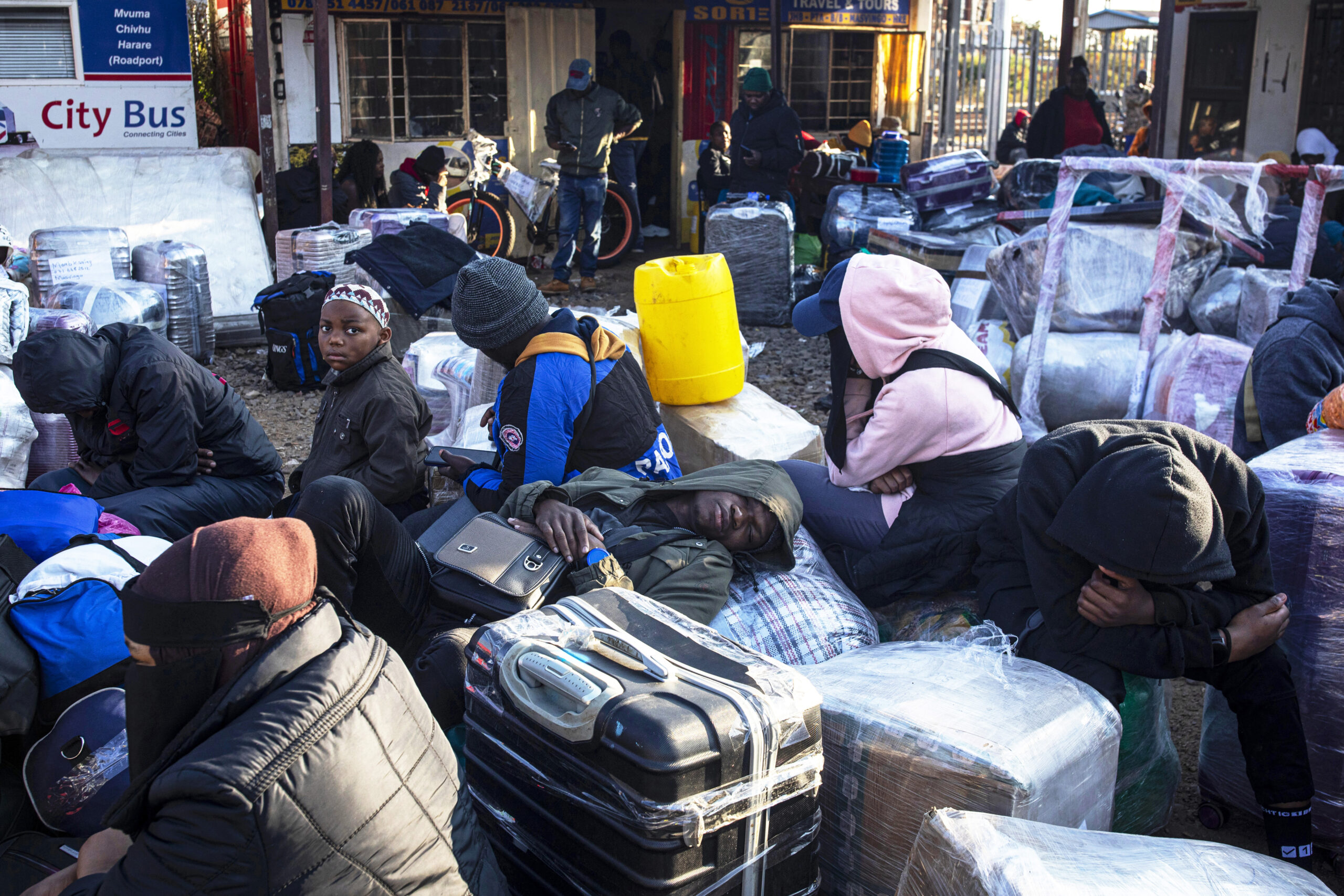
Foreign nationals across South Africa have gathered at consulates and processing sites seeking travel documents, shelter and passage home as the country prepares for anti-immigrant demonstrations on June 30. In Cape Town, authorities moved large numbers of Zimbabwean residents to a designated repatriation facility to be processed for voluntary return.
Relocations in Cape Town
As heavy rain began in Cape Town, the City of Cape Town, the Department of Home Affairs and the Zimbabwean Consulate relocated Zimbabwean nationals who had gathered outside the consulate in District Six. Residents were moved to the Home Affairs Repatriation Centre in Epping, described in reporting as the designated facility for processing voluntary repatriation.
The city urged Zimbabwean residents wishing to be repatriated to go to the Epping Repatriation Centre, which would be the sole official site for processing before transport to Beit Bridge.
Conditions and local response
Civil group Siyafana Sonke Campaign said the Zimbabwean nationals in the Western Cape have been arriving over the past 10 days and described many as women and children seeking transport home. The group said families had waited for days with limited shelter and ablution facilities while the consulate arranged buses back to Zimbabwe.
“The majority are women and children seeking transport home. While the Zimbabwean Consulate has been arranging buses back to Zimbabwe, many families have had to wait for days before departure, with no access to shelter and limited ablution facilities.”
Following advocacy, permission was granted for a temporary tent to provide basic protection while people awaited transport to Epping, and an increased police presence aided site management.
Volunteer Ayesha Bagus said:
“The compassion shown by the Cape Town community has been extraordinary. People from all walks of life have responded with supplies and financial donations, reminding us what humanity looks like when people come together. We are relieved that families will now be moved to the Epping Repatriation Centre, where we hope they will have access to dignified shelter and be processed more quickly by Home Affairs before returning home.”
Wider mobilisation and pressure on facilities
Siyafana Sonke Campaign said African citizens are not voluntarily requesting repatriation but are fleeing intimidation and violence, and that thousands of migrants and refugees have gathered in urban centres with their belongings, entering involuntary repatriation processes. The group said basic needs and support have been provided by communities, faith groups and humanitarian organisations.
In KwaZulu-Natal, volunteers reported large numbers at sites unable to cope. Volunteer Yesh Govender said:
“We now have 2,000 people at a site that is able to support 300, and people are arriving every day, desperate. We are also aware that there are potentially hundreds of people afraid to travel and are in hiding, and this is another level of humanitarian assistance and security needed.”
On the night of 26 June 2026, about 400 people gathered outside the Malawian consulate in Woodmead, Sandton, including a pregnant woman and a newborn. The group was moved to the Lindela Repatriation Centre, with transport arranged the following morning, the reporting said.
Concerns about repatriation as a sole solution
International relations expert Siseko Maposa, director of Surgetower Associates, warned against relying only on deportation to address the situation. He said unilateral enforcement risks exacerbating tensions and called for stronger regional coordination and diplomatic engagement.
“We require robust diplomatic engagements and increased coordination with neighbouring states, rather than the current trend of unilateral actions. Without that coordination, we create friction with our neighbours and undermine our own strategic position in the region,” Maposa said.
Humanitarian organisations step in
Reporters noted numerous civil society actors provided food, water, baby formula, nappies and toiletries to families at sites. Activist Tessa Dooms said people continued to arrive and warned of violence emerging in some areas, saying:
“People are arriving all the time. We are seeing violence emerging in some areas, and foreign nationals are being intimidated even in places they have fled to for shelter. There is a real risk of a humanitarian crisis emerging.”
South African authorities are processing thousands of Zimbabwean nationals for voluntary repatriation and deportation amid rising tensions ahead of June 30, while consulates and humanitarian groups continue to manage arrivals and departures.
Follow Joburg ETC on Facebook, Twitter, TikTok and Instagram
For more News in Johannesburg, visit joburgetc.com
Source: iol.co.za