News
South Africa’s new ETA system rejects 6,126 fraudulent travel applications
South Africa’s Electronic Travel Authorisation system has processed 216,204 applications and rejected 6,126 fraudulent attempts using biometric checks and risk analysis.
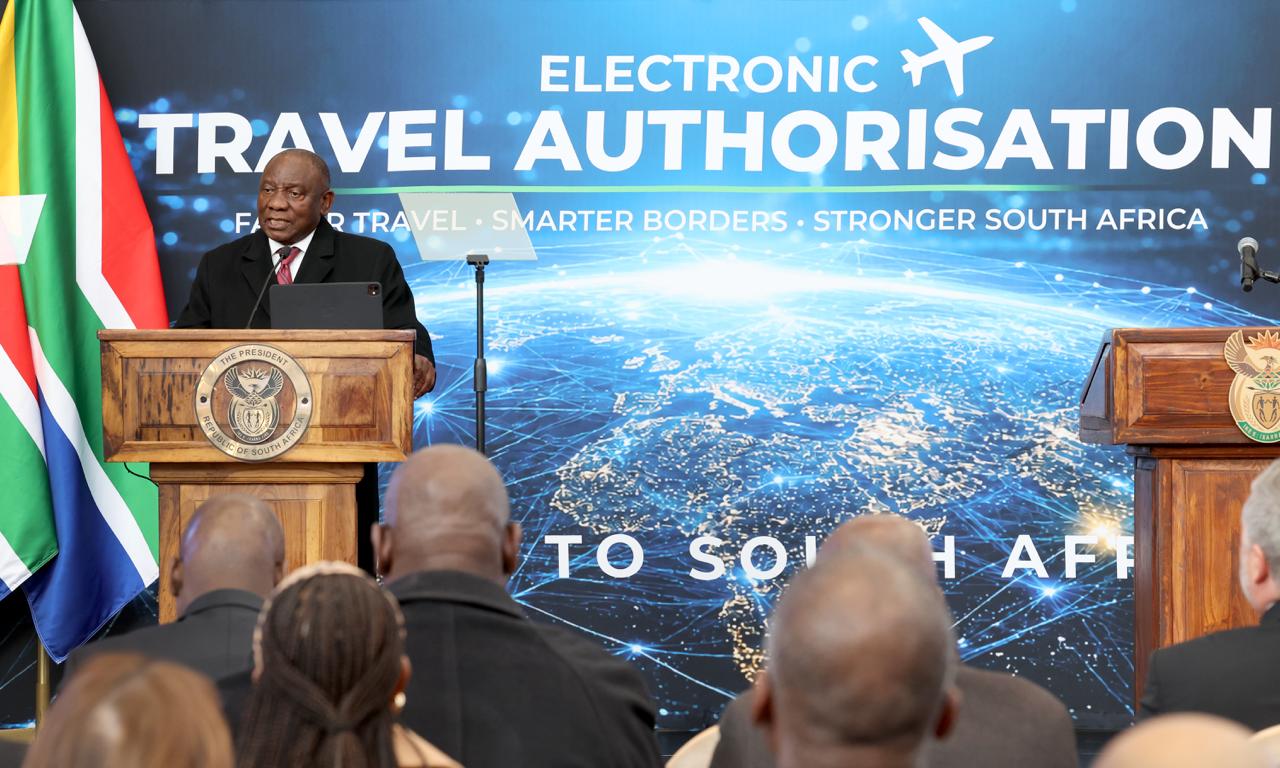
South Africa’s new Electronic Travel Authorisation (ETA) system has identified and rejected 6,126 fraudulent applications after processing 216,204 applications, the Department of Home Affairs said following the system’s official launch.
Launch and rollout
The ETA was officially launched at OR Tambo International Airport on Wednesday by President Cyril Ramaphosa, and Home Affairs Minister Dr Leon Schreiber described the system as a major step in modernising the country’s visa and immigration processes.
How the ETA works
Travel applicants create a profile on the Home Affairs website, verify their cellphone number and email with one-time PINs, scan their passports and upload a selfie. The platform uses biometric technology to compare the passport photograph with the applicant’s facial photograph and automatically scans passports against more than 40 parameters to check authenticity.
After payment, the ETA system applies automated risk analysis to identify indicators of fraud or other risks. If approved, travellers receive the ETA within 24 hours and can store it in a digital wallet on their smartphone.
Designed to detect fraud before arrival
Minister Schreiber said the ETA had already demonstrated its fraud-detection capability.
“6,126 fraudulent applications have already been identified and rejected,”
he said. The rejected applications included cases involving fraudulent passports, manipulated documents and other indicators of fraud.
Border verification and integration
The ETA is linked to the Border Management Authority’s upgraded Electronic Movement Control System, EMCS 2.0, at international airports. Facial verification is used on arrival to confirm that the person presenting themselves at the border is the same person who received authorisation.
Schreiber put the change succinctly:
“In other words, Mr President, the face of the traveller becomes the key that determines whether they may enter, rather than a physical document which can be manipulated,”
he said.
Passenger experience and next steps
The system is expected to reduce immigration queues, with dedicated ETA counters already used to speed up processing. Home Affairs said the next step is to integrate the ETA and EMCS 2.0 with e-gates to remove manual passport stamping and speed processing for South African citizens and foreign travellers using the ETA.
The ETA will initially be available at OR Tambo International Airport, Cape Town International Airport, King Shaka International Airport and Lanseria International Airport. Home Affairs plans to expand facial recognition and EMCS 2.0 to land and sea ports of entry in the coming months.
Overstaying and future uses
The system verifies a traveller’s face again at departure counters so Home Affairs can detect potential overstayers in real time. Schreiber said the ETA’s security features enable enforcement steps if warnings about overstaying are not heeded.
Home Affairs plans to expand the ETA into a broader digital immigration platform able to process more complex visa categories, including study, spousal and work visas, and to support services that reduce the need for visits to physical offices.
Origins and pilot
The ETA was initially piloted during South Africa’s G20 presidency for travellers from China, India, Indonesia and Mexico.
Follow Joburg ETC on Facebook, Twitter, TikTok and Instagram
For more News in Johannesburg, visit joburgetc.com
Source: iol.co.za