News
Government doubles down on rail as freight and commuter lifeline could you swap road for train?
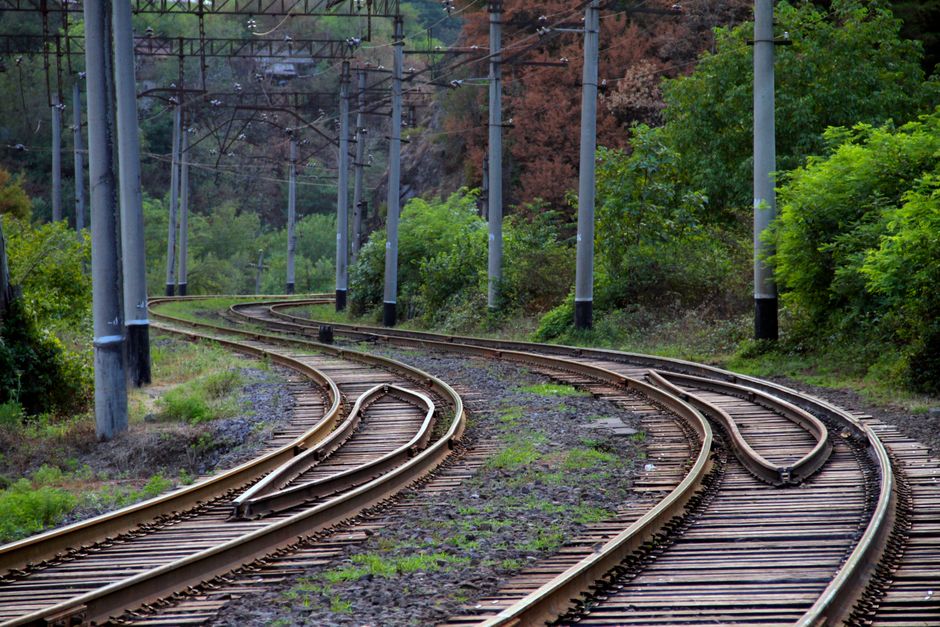
The national government is pushing a major shift from road to rail,
Why the shift to rail now
Minister of Transport Barbara Creecy said the move stems from national policy and strategic freight planning. She said the rail reform programme is informed by the White Paper on the National Rail Policy of 2022 and the National Freight Logistics Roadmap of 2023.
Creecy highlighted several benefits of greater rail use: enhanced road safety, decreased road congestion, reduced wear and tear on road surfaces and centrally reduced CO2 emissions.
“Our ambitious reforms in the rail space seek to re-establish rail as the backbone of the freight logistics system,”
Private operators, recovered lines and a people’s train
The department has approved 11 private Train Operating Companies (TOCs) to access the national rail network. Creecy said the network will remain state-owned while the TOCs bring expertise and capital.
She said operations for these TOCs are due to commence in April 2027, and that the operators will contribute toward the government’s objective of moving 250 million tonnes of freight on the Transnet rail network by 2030.
On infrastructure recovery, Creecy announced that 35 of 40 priority rail lines have been recovered over the past two years, including a section on the Midway to Lenasia route. She said recovery work has included re-signalling and the upgrading and refurbishing of stations and perway.
The locally manufactured blue Isitimela Sabantu, dubbed the “People’s Train”, has been introduced on these recovered lines and is presented as a safe, affordable and punctual alternative for commuters.
Climate-proofing, fuel and ports
Creecy said climate-proofing infrastructure is essential to sustainable transport and reiterated that shifting passengers and freight from road to rail at scale will produce fewer emissions. She added that the sector must embrace alternative, greener fuel sources.
On ports, Creecy said she attended a signing in May launching the Liquid Gas Terminal at the port of Ngqura in Nelson Mandela Bay. She said the project will establish the province’s first commercial port, support gas-to-power generation and industrial growth, and help diversify South Africa’s energy mix.
Planning, market signals and private participation
The Transnet Rail Infrastructure Manager (TRIM) published a second Network Statement to help the newly appointed TOCs raise capital for rolling stock and staffing, Creecy said. The Draft National Rail Master Plan was approved for public comment earlier this year and aims to address the gap between current annual freight volumes of 165 million tonnes and market demand of 280 million tonnes.
As evidence of private sector interest, Creecy said Private Sector Participation projects at the Ngqura Manganese Export Corridor, Richards Bay Dry Bulk Terminal and the Container terminal will go to market during this financial year.
Digitisation and informal transport
Creecy noted steps to modernise operations beyond rail. She said the South African National Taxi Council (Santaco) has piloted a cashless route in Gauteng, and that a technical working group has been set up with the department’s Public Transport Branch to research aspects of the digitisation of operations, regulation and registration of operators.
What this means for commuters and businesses
The minister framed increased rail utilisation as both a socio-economic necessity and a climate measure, and presented reforms aimed at expanding capacity, attracting private investment and linking port growth with freight logistics.
Follow Joburg ETC on Facebook, Twitter, TikTok and Instagram
For more News in Johannesburg, visit joburgetc.com
Source: citizen.co.za