News
Police reopen Sindile Mfazi death case after poison discovery
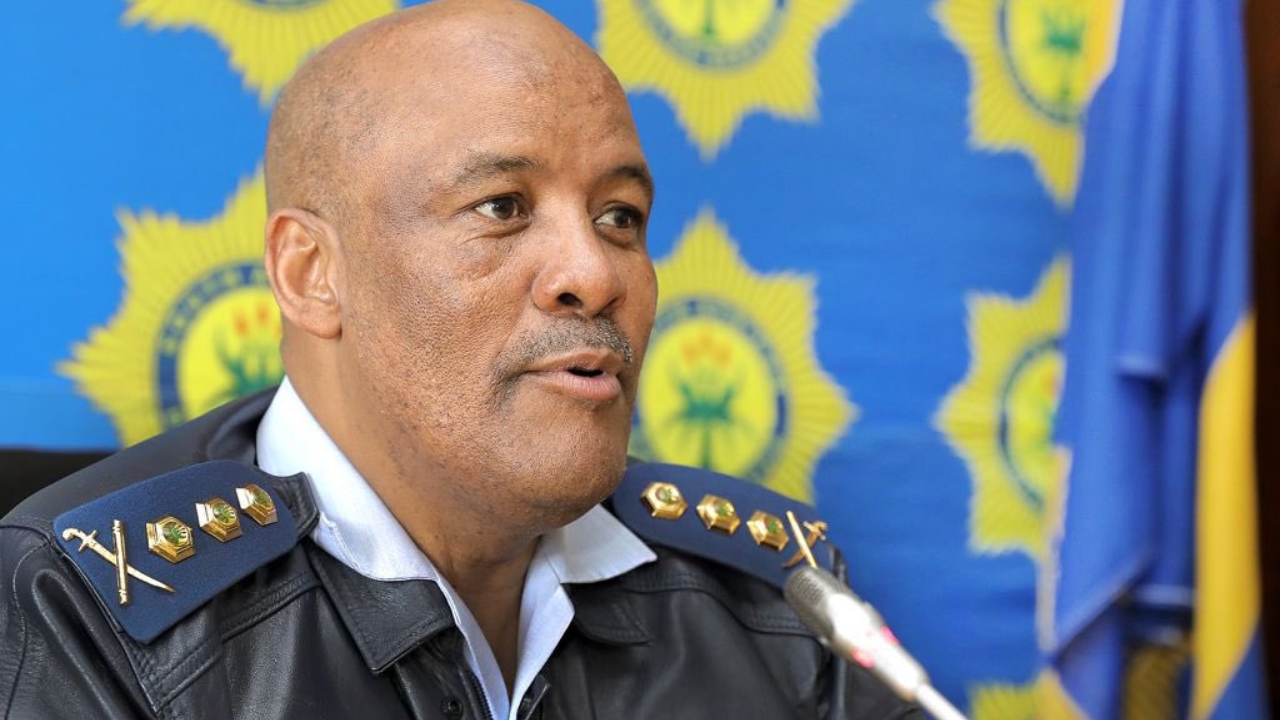
South African police have intensified the investigation into the 2021 death of former deputy national commissioner for crime detection, Lieutenant-General Sindile Mfazi, after tests reportedly showed that poison was present in his body.
Speaking during a media briefing, SAPS confirmed that forensic examinations had fundamentally changed the direction of the investigation.
‘There were examinations that were conducted that confirmed that a poisonous substance was found in his body. So we can confirm that the case was changed from being registered as an inquest docket to now a murder docket,’ police said.
Who was Lt.Gen Mfazi?
Lieutenant-General Sindile Christopher “Pitso” Mfazi was a highly decorated South African law enforcement official who served as the Deputy National Commissioner of Crime Detection for the South African Police Service (SAPS).
He passed away on 8 July 2021… https://t.co/4PzhjpbrWr pic.twitter.com/yknpr6r3ND
Yusuf Abramjee (@Abramjee) July 6, 2026
Mfazi’s death was initially linked to COVID-19, but the latest development has shifted the case into far more serious territory. The Cold Case Unit and the Special Task Force are now at the centre of the investigation, signalling that police are treating the matter as far more than an old file gathering dust on a shelf.
Raids and questions in Pretoria and Centurion
As part of the renewed probe, officers reportedly raided SAPS-linked properties in Pretoria and Centurion. Devices were seized during the operation, while a person of interest was questioned.
That move has added momentum to a case that had already carried a cloud of doubt for years. Mfazi’s family had long expressed scepticism about the original cause of death and had pushed for an exhumation, convinced that the truth had not been fully told.
Mfazi was not an ordinary police officer. He served in one of the most sensitive roles in the South African Police Service and was known for probing corruption, including allegations linked to PPE fraud. That background has made the latest developments especially significant, with many now asking who may have benefited from his death and why.
The reaction on social media has been immediate, with users revisiting Mfazi’s career and calling for accountability in a case that has sat unresolved for too long. In a country where public trust in policing is often tested, the renewed investigation has struck a nerve.
For now, the focus is on what the tests, the seized devices and the questioning of a key figure may reveal next.
Why this case matters now
The upgraded probe has turned a long-standing suspicion into an active criminal investigation. It is a reminder that some cold cases do not stay cold forever, especially when new evidence starts to shift the ground beneath them.