Business
Affluent suburbs drive City Power’s R13.3bn electricity debt, inner city tops list
Where the debt sits
City Power’s latest figures show the inner city alone owes R3.67 billion of the utility’s R13.3 billion debt book. That total for the inner city comprises R1.63 billion in residential debt, R1.09 billion owed by businesses and R938.8 million by large power users.
Other major hotspots include Reuven with R2.37 billion, Hurst Hill with R2.2 billion, Roodepoort at R1.28 billion, Randburg at R1.23 billion and Lenasia at R1.2 billion. Midrand recorded the lowest amount in the breakdown at R634.7 million.
While Alexandra township remains a troubled area for revenue collection, its total outstanding debt of R718.7 million is lower than several other service delivery areas. That amount is made up of R364.8 million owed by residents, R129.9 million by businesses and R223.9 million by large power users.
Causes and measured losses
City Power said its debt is spread across residential customers, businesses and large power users and that electricity theft and illegal connections continue to hit its finances and infrastructure.
The utility estimates overall electricity losses at 29.87%, described as a combination of technical and non-technical losses. City Power said it still pays Eskom for the share of electricity it loses.
Technical losses, the utility said, are linked to ageing infrastructure, overloaded feeders and network inefficiencies. Non-technical losses are largely caused by illegal connections, electricity theft, meter bypassing and unmetered consumption.
Impact and official findings
The Auditor-General’s 2023/24 findings recorded R4.9 billion in electricity losses, attributed mainly to illegal connections, damaged and bypassed meters, technical losses and billing failures. The utility also reported a R2.8 billion net loss.
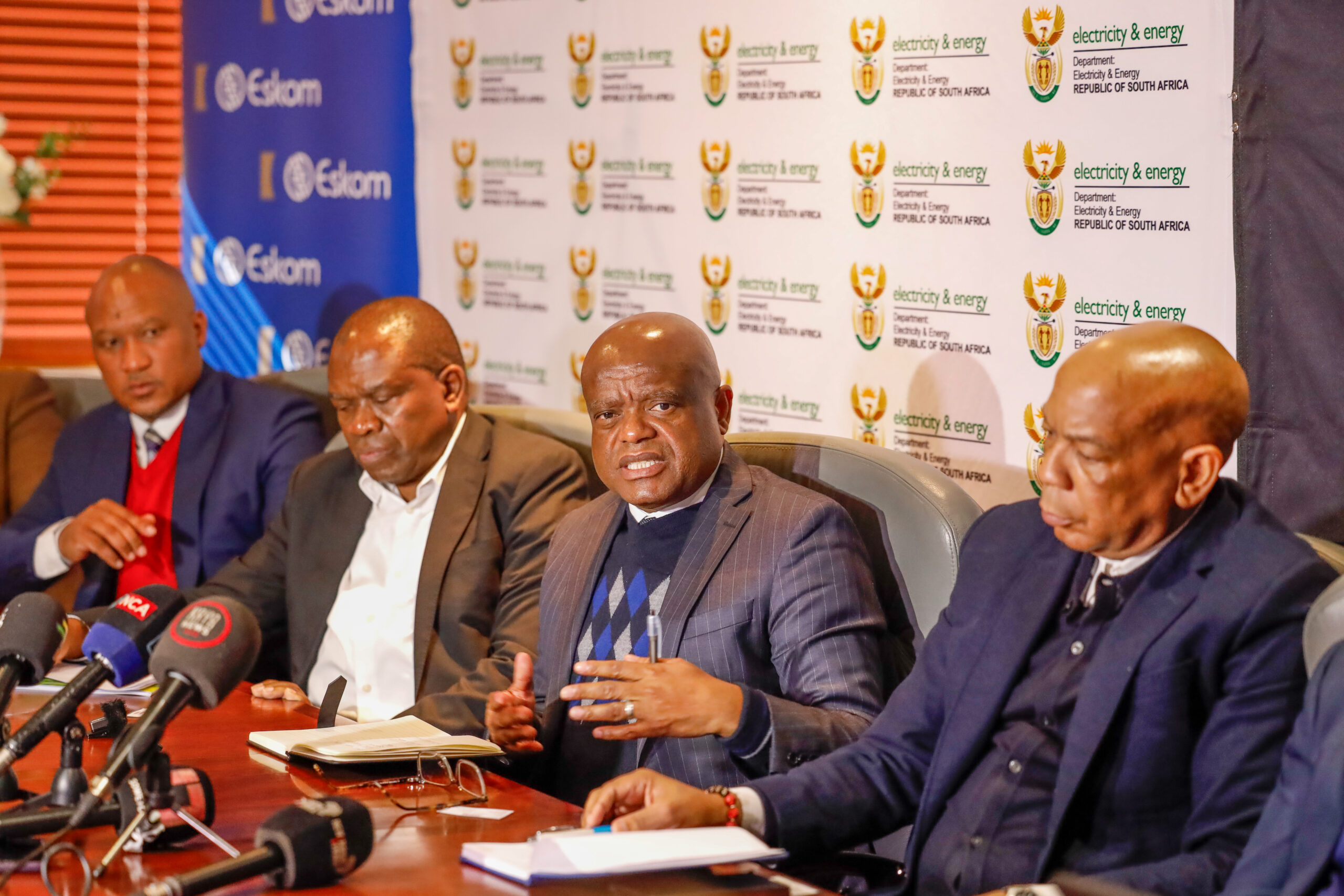
In May, Eskom said City Power owed it R5.2 billion in arrears, excluding a further R1.5 billion current account.
Actions to curb theft and recover revenue
City Power described intensified, intelligence-led operations with the South African Police Service, the Joburg Metropolitan Police Department and private security companies as part of efforts to curb losses and boost revenue collection.
As one recent intervention, City Power removed 10 illegally installed transformers in Kya Sands, Randburg, on 9 June. The operation led to the arrest of one suspect allegedly linked to the illegal electricity network. The utility said this followed a similar intervention about a year earlier, when 13 illegal transformers were removed from the same area.
“Debt reporting is based on service delivery centre boundaries and not township classifications,”
City Power spokesperson Isaac Mangena said.
Normalisation programme
City Power said it is implementing a normalisation programme to remove illegal connections, install legal meters and ensure customers pay for the electricity they consume.
“City Power is also implementing a normalisation programme aimed at removing illegal connections, installing legal meters and ensuring all customers pay for the electricity they consume.”
Mangena said areas including Mayibuye, Kanana, Rabie Ridge, Freedom Park, Tshepisong and parts of Alexandra have already undergone aspects of the programme.
City Power said it believes that reducing non-payment and electricity theft will allow it to recover significant revenue, strengthen infrastructure maintenance, accelerate upgrades and improve the reliability of Johannesburg’s electricity network.
Follow Joburg ETC on Facebook, Twitter, TikTok and Instagram
For more News in Johannesburg, visit joburgetc.com
Source: citizen.co.za