Business
Oil jumps, global stocks fall as renewed Middle East strikes and Fed worries unsettle markets
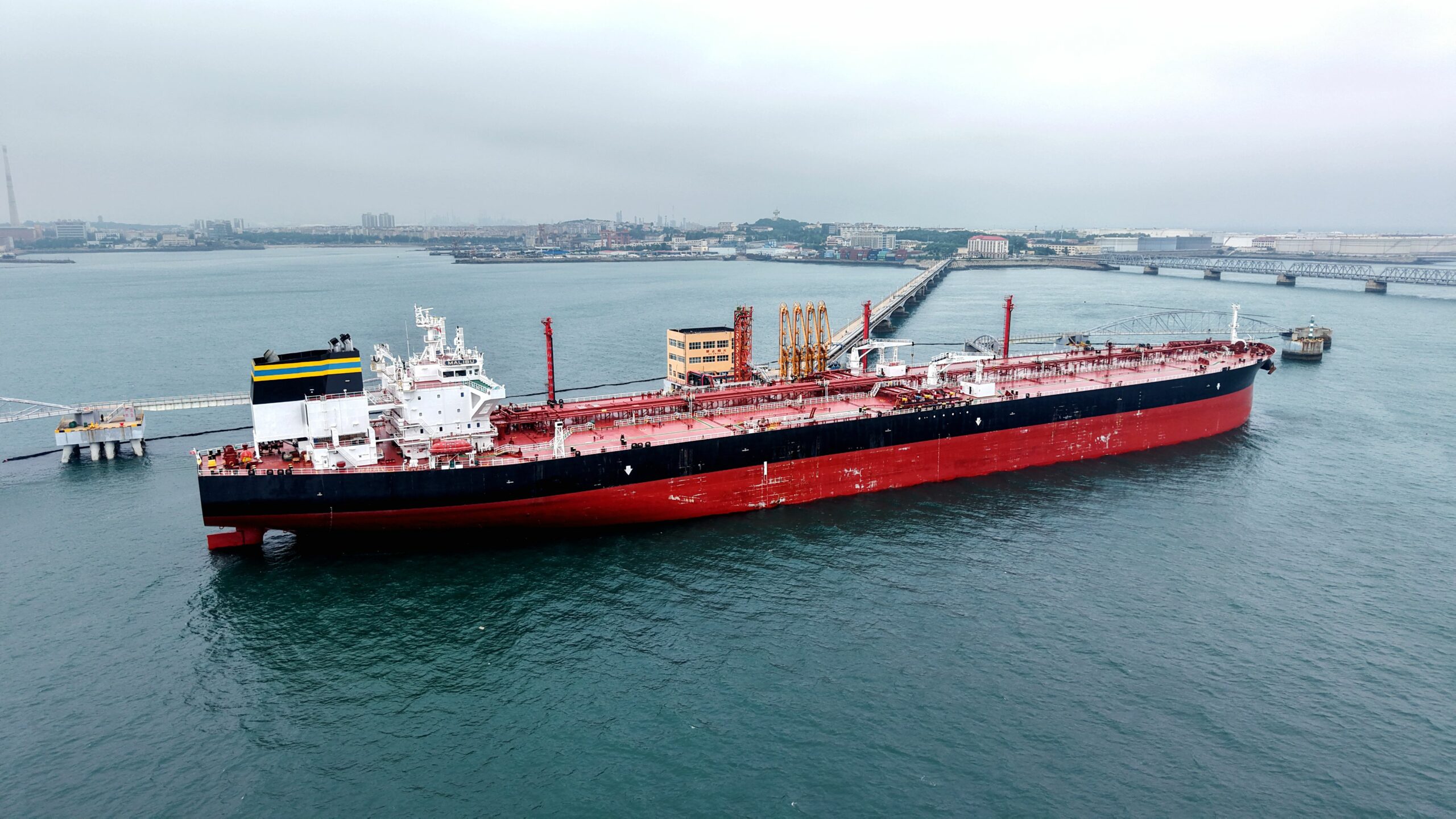
Oil prices climbed and global stock markets slipped on Thursday after fresh US military strikes linked to Iran and data that pushed up expectations of further US interest-rate action, sending traders back to safe-haven pricing and prompting concern on trading floors.
What moved markets
Brent crude
At the same time, major US equity indices fell sharply: the Nasdaq sank two percent and the S&P 500 lost almost as much. Asian bourses were also weaker, with Seoul down more than one percent, Tokyo’s Nikkei 225 down 1.5 percent at 63,239.52, the Hang Seng down 1.2 percent at 24,105.73 and the Shanghai Composite down 0.6 percent at 3,969.31.
Geopolitical trigger
A series of fresh US strikes on sites in Iran, following earlier strikes tied to the downing of a helicopter, contributed to market unease. Tehran responded by striking back at US targets in the Middle East and warned it would target any ship going through the Strait of Hormuz. US Central Command said it had completed its strikes.
“We hit them hard yesterday. We’re going to hit them again hard today,”
President Donald Trump said, adding that negotiators in Tehran were “taking too long” and “playing us for suckers.”
Inflation, jobs and Fed expectations
Investors also digested US economic data. May US inflation came in around expectations but reached a more than three-year high as fuel costs surged, which the report linked to the Iran war. Separate figures showed a forecast-busting jump in US job creation, increasing bets that the Federal Reserve could raise interest rates again.
Markets are looking to the Fed’s policy meeting next week. While the new Fed chief, Kevin Warsh, is unlikely to make a hike his first act, futures markets indicate a possible rate increase before the end of the year.
“Overall (the inflation report) was not as bad as it could have been and core was a little lighter than expected so the market is seeing this as a positive,”
said Neil Wilson, Saxo investor strategist. He added that the Fed may be “swinging more quickly behind a hike than it might have done or markets might think” and noted that headline CPI above four percent against a strong labour market “clearly deserves attention from the Fed.”
Market detail
- Brent North Sea Crude: up 1.7 percent at $94.68 a barrel.
- West Texas Intermediate: up 2.0 percent at $91.84 a barrel.
- Currency moves cited included the euro at $1.1551, the pound at $1.3383 and the dollar/yen at 160.50 yen.
What this means
Traders and investors are watching both geopolitical developments in the Middle East and incoming US economic data closely. The combination of renewed strikes, responses from Tehran and stronger-than-expected US labour data has tightened the market narrative around higher fuel prices and the possibility of renewed US rate hikes.
Follow Joburg ETC on Facebook, Twitter, TikTok and Instagram
For more News in Johannesburg, visit joburgetc.com
Source: iol.co.za