News
What R1,000 Buys in Zimbabwe, South Africa and Botswana A Numbeo Comparison
A country-by-country look at how far R1,000 stretches on a 11-item grocery basket in Zimbabwe, South Africa and Botswana using Numbeo price data and Aug 11, 2026 rates.
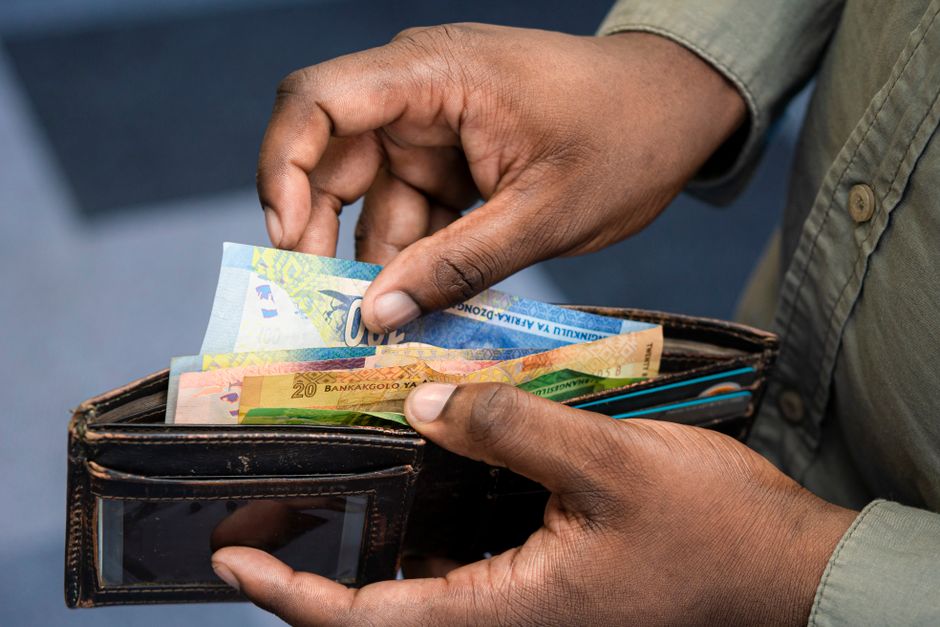
R1,000 does not buy the same amount of groceries across neighbouring Southern African countries. A standardised 11-item basket stretches differently in Zimbabwe, South Africa and Botswana when local prices and exchange rates are applied.
How the comparison was done
According to The South African, the comparison uses country-level food-price data from Numbeo and converts R1,000 into the local currency where necessary. Prices are averages and can vary by city, supermarket, brand and promotions.
The 11-item standard basket
The basket used for this comparison contains one of each of the following items:
- 1 litre milk
- 500g white bread
- 1kg white rice
- 12 eggs
- 1kg chicken fillets
- 1kg beef
- 1kg apples
- 1kg bananas
- 1kg tomatoes
- 1kg potatoes
- 1kg onions
Zimbabwe R1,000 converted to US dollars
According to The South African, at the 11 August 2026 exchange rate R1,000 was worth approximately US$61.72. Using Numbeo averages for Zimbabwe, the 11-item basket would cost about US$25.59. That means the equivalent of R1,000, about US$61.72, could theoretically buy around 2.4 of these baskets.
The South African also notes that some informal traders in Zimbabwe may value R1,000 at around US$50 rather than the official equivalent, and advises caution when exchanging cash.
South Africa no conversion needed
Using Numbeo’s June 2026 figures for South Africa, The South African reports the 11-item basket adds up to approximately R454.16. With R1,000 in your pocket, you could therefore buy roughly two complete baskets, with about R546 left over.
Botswana Pula comparison
According to The South African, on 11 August 2026 R1,000 was worth approximately P832 in Botswana using the prevailing exchange rate. Numbeo’s Botswana prices put the standard basket at about P322.70. At around P832, R1,000 would buy about 2.6 of these baskets.
Which country gets you the most groceries?
The South African concludes that, using this identical 11-item basket and the Numbeo averages, Botswana comes out on top, followed by Zimbabwe and then South Africa. The comparison shows that the simple face value of R1,000 masks substantial differences in purchasing power across the three economies.
What this does and does not show
The piece stresses that this is a food-only comparison using averaged prices. The South African points out that food is only one part of household spending and that accommodation, transport, utilities and salaries also affect overall purchasing power. Numbeo figures are compiled from contributor data and should be treated as indicative rather than definitive.
Takeaway
For shoppers and travellers, the comparison offers a snapshot: R1,000 buys a different amount of basic groceries depending on the country, and converting the note into local currency does not by itself explain how far it will go at the checkout.
Follow Joburg ETC on Facebook, Twitter, TikTok and Instagram
For more News in Johannesburg, visit joburgetc.com
Source: thesouthafrican.com