News
Trial of Duane “Keffe D” Davis opens 30 years after Tupac Shakur’s killing
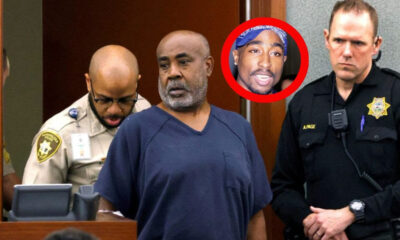
Jury selection began in Los Angeles in the trial of Duane “Keffe D” Davis, accused of ordering and arming the drive-by shooting that killed Tupac Shakur in 1996.
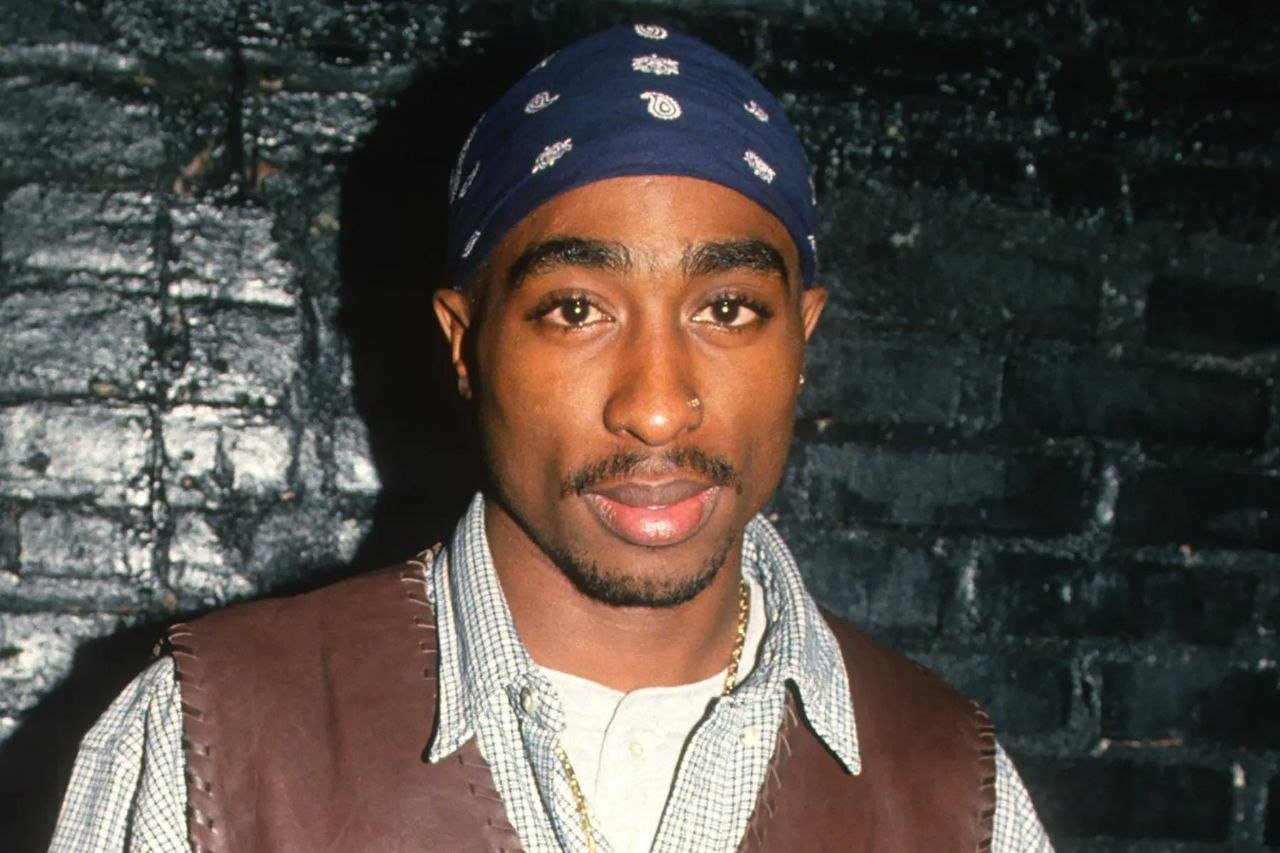
Jury selection began Monday in the long-awaited criminal trial of Duane “Keffe D” Davis, the onetime South Side Compton Crips leader accused of organising and supplying the gun used in the drive-by shooting that fatally wounded rapper Tupac Shakur on September 7, 1996.
What prosecutors allege
Prosecutors say Davis ordered the killing and provided the pistol used in the shooting. The case centres on the night Shakur was struck in Las Vegas after attending a Mike Tyson fight; Shakur died from complications after being hit. The shooting took place from a white Cadillac that, prosecutors allege, carried Davis, his nephew Orlando “Baby Lane” Anderson and others.
Courtroom opening and potential penalties
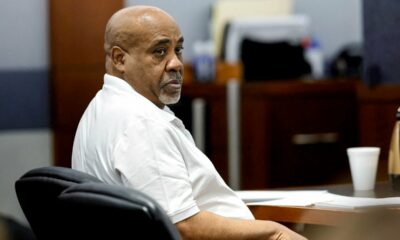
The proceedings opened with jury selection, a process expected to continue through the week and last about a month. Davis, 63 years old, appeared in court wearing a light-blue shirt and blue tie. If convicted, he faces life in prison without parole.
How the cold case was revived
Investigators say the long-running cold case gained new momentum after publication in 2019 of Davis’s memoirs, in which he recounted being in the front seat of the Cadillac and handing a pistol to people in the back seat. In those accounts, Davis did not say who fired the shots. The publication of the memoirs and Davis’s earlier remarks to reporters are credited with reviving the investigation.
Defence position and pre-trial issues
Davis has pleaded not guilty. In a March 2025 interview from prison with ABC News he was quoted as saying:
“I’m innocent. I ain’t killed nobody. Never did ever kill nobody. They don’t have no evidence against me. They can’t even put me in Las Vegas.”
Since then, Davis has said he was in Los Angeles on the night of the killing and has asserted he never even read his memoirs, blaming his co‑author for inflating details. In the run-up to trial, Davis’s lawyers sought to exclude the memoir and comments he made in a 2008 police interview from evidence; those efforts were unsuccessful.
Related civil action and wider context
In May, Maurice Shakur, identified as Tupac’s stepbrother in the reporting, filed a wrongful death lawsuit in civil court. The complaint says “There remain individuals who were involved in Tupac’s murder who, for 30 years, have not been held accountable for their crimes.” The suit cites a recent television documentary mini‑series in which Davis in a 2008 police interview referenced by prosecutors said Sean Combs offered him $1 million to kill Shakur.
Questions that remain
Reporters note that even if the trial produces a conviction, it may not identify who pulled the trigger. The accounts in Davis’s memoir and his later statements do not name the shooter, and everyone else who was in the Cadillac that night has since died, according to the reporting.
This trial returns one of America’s most enduring unsolved killings to a courtroom three decades after the shooting that ended the life of a 25‑year‑old artist who was a central figure in the East Coast–West Coast hip‑hop rivalry.
Follow Joburg ETC on Facebook, Twitter, TikTok and Instagram
For more News in Johannesburg, visit joburgetc.com
Source: iol.co.za