Business
Johannesburg’s infrastructure and finances under strain, CDE warns
The CDE warns Johannesburg faces mounting infrastructure, financial and political pressures that threaten its role as South Africa’s economic heartland.
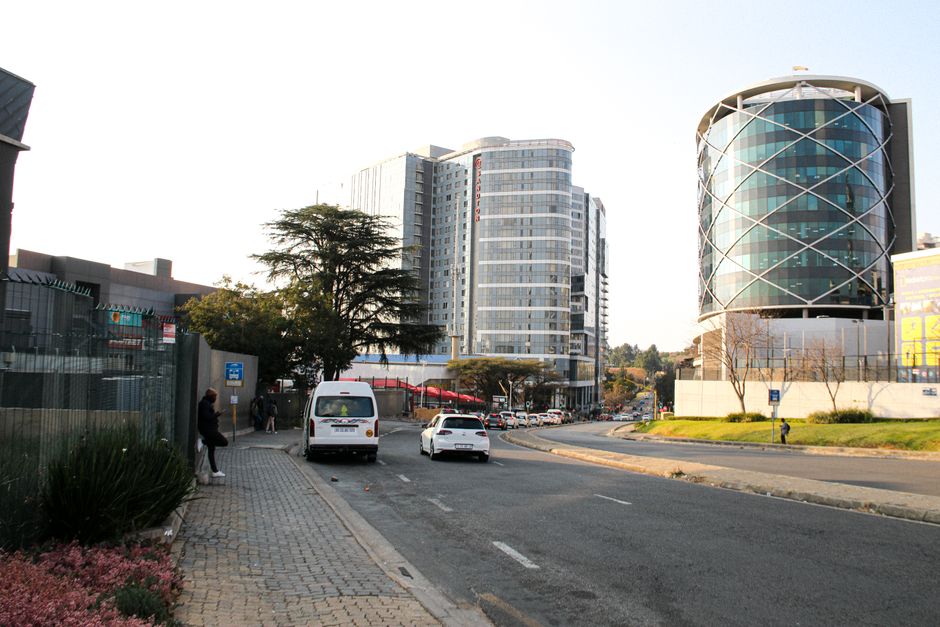
Johannesburg remains central to South Africa’s economy, but a new assessment by the Centre for Development and Enterprise (CDE) says the city is under growing pressure from deteriorating infrastructure, constrained finances, weak service delivery and political instability.
Economic weight, mounting strain
The CDE noted that Johannesburg hosts about 70% of South Africa’s company head offices and accounts for 21.8% of personal income tax collected nationally. The city employs 1.91 million people, representing about 11% of the country’s jobs. It contributes almost 16% of South Africa’s GDP and about 40% of Gauteng’s economy.
Despite that central role, the CDE warned that the infrastructure supporting economic activity is under increasing strain, with problems across water, electricity and transport networks.
Water, power and roads: the gaps are measurable
Johannesburg Water has identified an infrastructure renewal backlog of R26.6 billion and the city loses more than 226.9 million litres of water a day through leaks. The CDE said the city replaces only 60 to 70 kilometres of piping annually, adding that at that pace fully replacing the city’s pipe network of more than 12,500 kilometres would take close to two centuries.
Electricity infrastructure was also described as strained, with a reported backlog of R44 billion. Between July and December 2025 the city recorded 54,132 power outages, including 105 high-voltage failures, and cable theft and vandalism accounted for 20% of the outages.
Roads and bridges carry large maintenance backlogs as well: the CDE put the roads backlog at R90 billion and bridges at R37 billion. Residents reported 23,572 potholes during the second half of 2025, and about 55% of traffic lights experienced faults during the final quarter of that year.
Impact on business and residents
The CDE said failing water and electricity services reduce quality of life and increase the cost of doing business, which can lead firms to close or relocate, resulting in fewer jobs and a shrinking rates base.
Financial oversight and conditional Treasury intervention
National Treasury temporarily withheld portions of Johannesburg’s equitable-share allocation in July after finding the city had not complied with provisions of the Municipal Finance Management Act. Treasury said the funding would be released once the city demonstrated it had a funded budget and credible financial recovery plan, had made payment arrangements with major creditors including Eskom and Rand Water, and had measures to address unauthorised, irregular, fruitless and wasteful expenditure.
Johannesburg Mayor Dada Morero said the city’s 2026/27 budget was funded and that its financial management had “not reached a crisis state”, while acknowledging the need to do more to manage cash flow and revenue performance. He added:
“Johannesburg is the economic heartland of this country. The challenges we face are real but not insurmountable… What is new is the discipline, transparency and accountability with which we are now confronting them.”
Morero said R1.8 billion in historical expenditure had been regularised through governance processes and that another R6.4 billion was before municipal entity boards for consideration. He also identified City Power’s bulk electricity purchases as a driver of new unauthorised expenditure, amounting to R2.1 billion by the end of the third quarter.
The Auditor-General’s municipalities report for 2024/25 found that City Power incurred R11.8 billion in irregular expenditure since 2021/22 and that 77% of the R73.9 billion in irregular expenditure incurred by metros and their entities since 2021/22 was due to non-compliance with procurement and contract management legislation.
National Treasury released the withheld funds on 31 July, stating the release was conditional and not a finding of compliance; Treasury said continuing to withhold the money risked harming basic service delivery.
Jobs, politics and the path forward
The CDE highlighted a deterioration in economic performance alongside municipal pressures. Johannesburg had an official unemployment rate of 35.9% in the second quarter of 2026, the highest among South Africa’s metropolitan municipalities.
Political instability was also cited: the CDE noted Johannesburg has had nine mayors since 2016 and operated under eight coalition administrations, which it said made long-term planning and implementation more difficult.
The CDE argued that fixing Johannesburg will require stable political leadership and effective partnerships involving the private sector, civic organisations and national government, adding:
“A national economic, social and political recovery needs a prosperous Johannesburg powering growth, investment and employment in the country and on the continent.”
For now, the CDE frames Johannesburg’s struggles as a national problem: the city’s central economic role means its decline carries implications beyond municipal boundaries, touching employment, tax revenues and broader efforts to restore growth.
Follow Joburg ETC on Facebook, Twitter, TikTok and Instagram
For more News in Johannesburg, visit joburgetc.com
Source: iol.co.za