News
IEC says it will strictly enforce new disinformation code ahead of local elections
The IEC will strictly implement its new Electoral Code of Conduct Countering Disinformation and use Real411 for reports ahead of the 4 November local government elections.
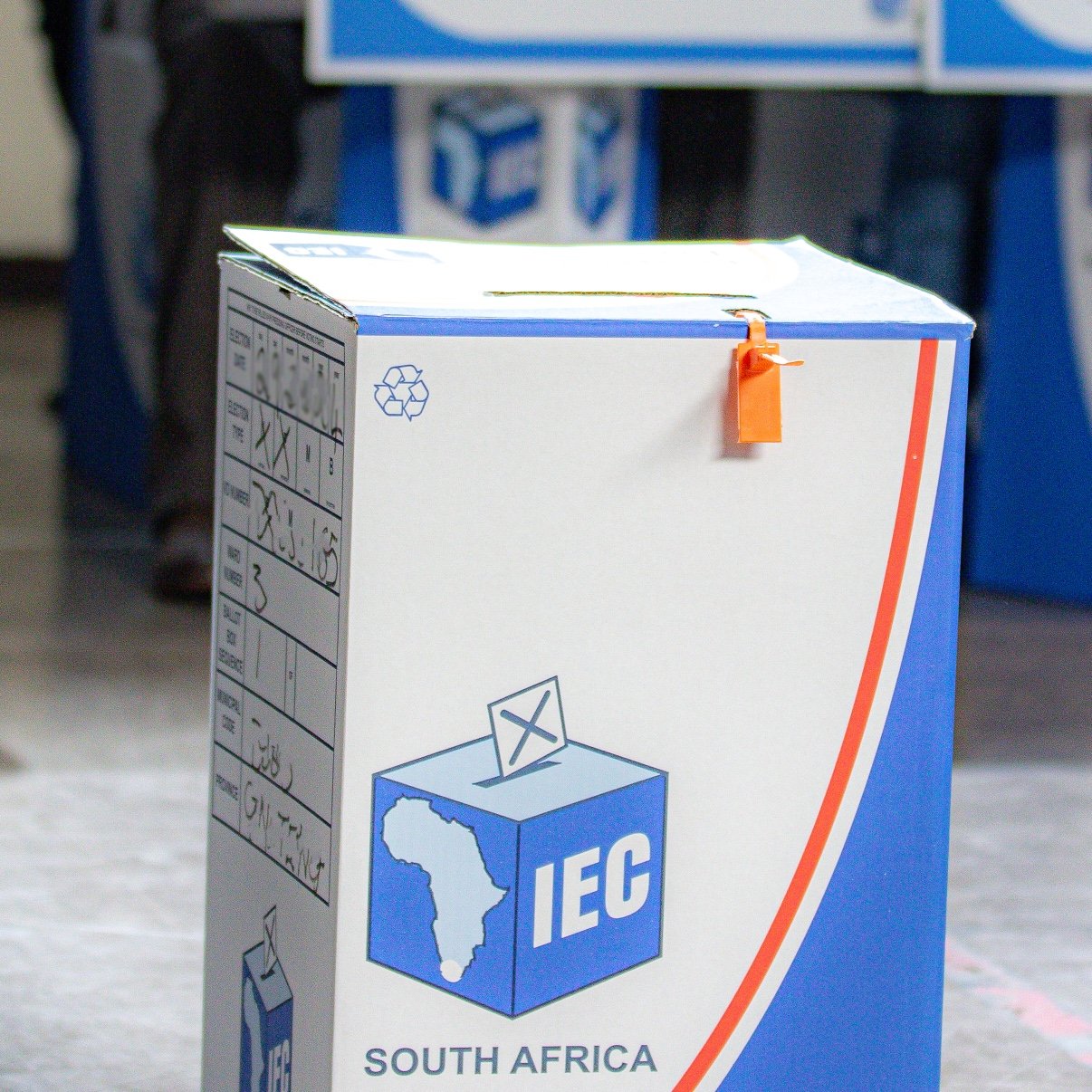
The Electoral Commission of South Africa (IEC) has vowed to strictly implement the new Electoral Code of Conduct Countering Disinformation as the country heads towards the local government elections on 4 November.
Code now in force
The code, also described as the disinformation or fake news code, “came into effect on Friday, the same day it was promulgated.” It forms part of the Electoral Code of Conduct and is intended to “enhance election integrity and promote free, fair and orderly local government elections on 4 November.”
Real411 designated for reporting
The IEC has designated the digital disinformation reporting and tracking platform known as Real411, which is available on the IEC portal, for reporting suspected disinformation under the code.
“The Real411 platform is accessible to any members of society, political parties, candidates and organisations wishing to report suspected election-related disinformation. This could be disinformation targeting the electoral process, contestants, the IEC and its staff,” Bapela said.
Protections and obligations
IEC national spokesperson Kate Bapela said the code is meant to guard against deliberate disinformation online and that it “protects legitimate debate and robust debate.” The code permits lawful criticism, opinion, commentary, fair reporting, satire, parody or legitimate democratic debate “insofar as these fall within the realm of protected speech.”
The code sets out obligations for political parties and candidates. They are required to:
- check information for accuracy before sharing it;
- take responsibility for content published by them, for them, or on their behalf;
- publicly retract and correct false or misleading information within 36 hours of becoming aware of it; and
- censure those responsible where appropriate.
Rules on deceptive practices and labelling
The IEC has advised that parties and candidates must avoid deceptive practices, including “fake accounts, bot networks, coordinated inauthentic behaviour, doxing and cyberbullying” and must label AI-generated, or “synthetic” content clearly before distributing it. They must also clearly label political advertising so the public can identify who is behind it.
Those who identify online disinformation are required to report it to Real411 within 36 hours.
What the IEC says
“The code provides rail guards for the conduct of political parties, candidates and anyone acting on political parties’ or candidate’s instruction, authority or for reward across all election-related communication, whether online or offline, paid or unpaid,” said Bapela.
The IEC’s measures are presented as part of efforts to uphold election integrity and guard against deliberate disinformation in the run-up to the local government elections.
Follow Joburg ETC on Facebook, Twitter, TikTok and Instagram
For more News in Johannesburg, visit joburgetc.com
Source: citizen.co.za