z_Uncategorised
Is your Uber ride legal? What passengers must check before getting in
With tighter e-hailing rules, passengers should verify app details match the driver and vehicle, and use app safety tools. Follow these practical checks before you get in.
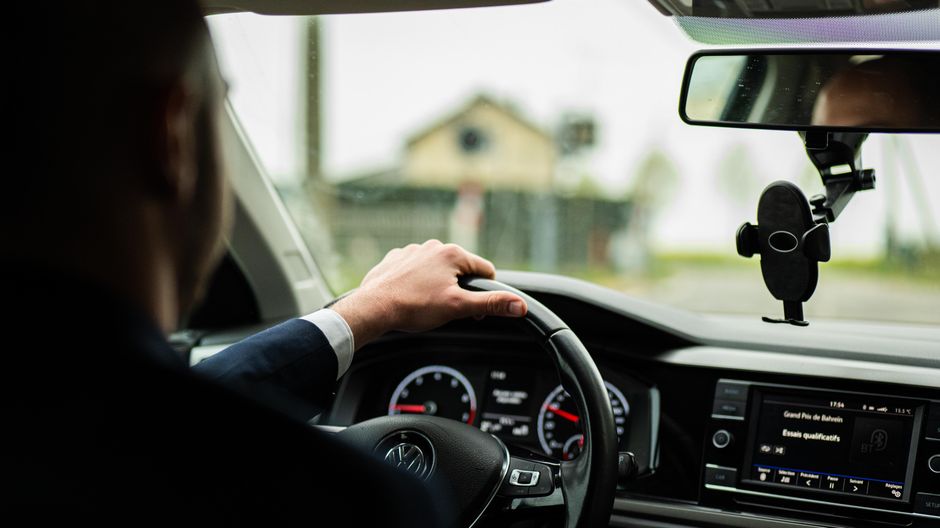
As South Africa tightens regulation of e-hailing, passengers are being urged to do a few simple checks before getting into an Uber or other app‑booked vehicle. Recent regulatory changes and ongoing platform registrations mean being visible on an app is not, by itself, proof that every legal requirement has been met.
Why checks matter now
In September 2025 the National Department of Transport gazetted amendments to the National Land Transport Act and regulations that formally recognise e‑hailing as a category of public transport. Those regulations require e‑hailing operators to have valid operating licences, and they require e‑hailing platforms to be registered with the National Public Transport Regulator (NPTR).
The Department confirmed it had received an application from Uber South Africa Services for registration as an e‑hailing platform provider after a deadline for platform registration had passed on 11 March. The Western Cape Parliament said the six‑month registration period ended on that date, and reported that Bolt was registered before the deadline while Uber was still to be registered at that stage.
What the regulations require
The regulations set out more than platform registration: they include operating licences for e‑hailing operators and safety requirements covering a driver’s professional driving permit, criminal‑record screening, vehicle identification and a panic button. The Department has also said e‑hailing vehicles should be branded or carry a sign identifying them as e‑hailing vehicles.
However, the Department has warned commuters that being visible on an app does not automatically mean every legal requirement is satisfied.
Practical checks passengers can make
The Department of Transport and platforms advise passengers to verify the trip details shown in the app against the arriving vehicle and driver. If the details do not match, passengers are advised not to get into the car and to report the discrepancy through the app.
Here are the checks the source lists for passengers to make every time:
- Check the number plate: Make sure it exactly matches the registration shown in the app.
- Check the vehicle: Confirm the make, model and appearance correspond with the information in the app.
- Check the driver: Ensure the person driving matches the driver’s name and photograph displayed in the app.
- Don’t accept a different car: If the vehicle does not match the trip details, cancel or contact the platform through the app rather than taking the risk.
- Don’t share trip details with strangers: Use the app’s safety functions to share your trip and estimated arrival time with someone you trust.
- Keep the trip inside the app: If a driver asks you to cancel the booked trip and pay them directly, you lose protections and trip information associated with the booking.
- Report suspicious vehicles or drivers: If the driver, vehicle or circumstances do not match what you booked, report it through the platform and, where appropriate, to the relevant transport authority.
What passengers can do about licences
The source notes that the operating licence is a regulatory requirement placed on the operator and vehicle, and that passengers are not expected to be transport‑law experts. The Department’s guidance is to verify that the driver and vehicle details correspond with the app and to exercise caution where they do not. If passengers have concerns they can ask the driver about the operating licence and report the matter to the relevant provincial transport authority or the e‑hailing platform.
Limitations of checks and safety tools
The article underscores that an operating licence does not guarantee a trip will be incident‑free, and conversely an apparently legitimate vehicle may not match the app’s details. That is why the app’s identification and safety tools should be treated as an important first line of defence.
By consistently checking the app’s trip details against the vehicle and driver, and by using the platform’s safety functions, passengers can reduce risk while the regulatory and registration processes continue to be implemented.
Follow Joburg ETC on Facebook, Twitter, TikTok and Instagram
For more News in Johannesburg, visit joburgetc.com
Source: iol.co.za