News
SA warned to brace for ‘unprecedented’ El Niño as record heat, drought and flood risks loom
Scientists warn South Africa faces a very strong El Niño with record heat, below‑normal rainfall and elevated risks to agriculture, health and disaster management.
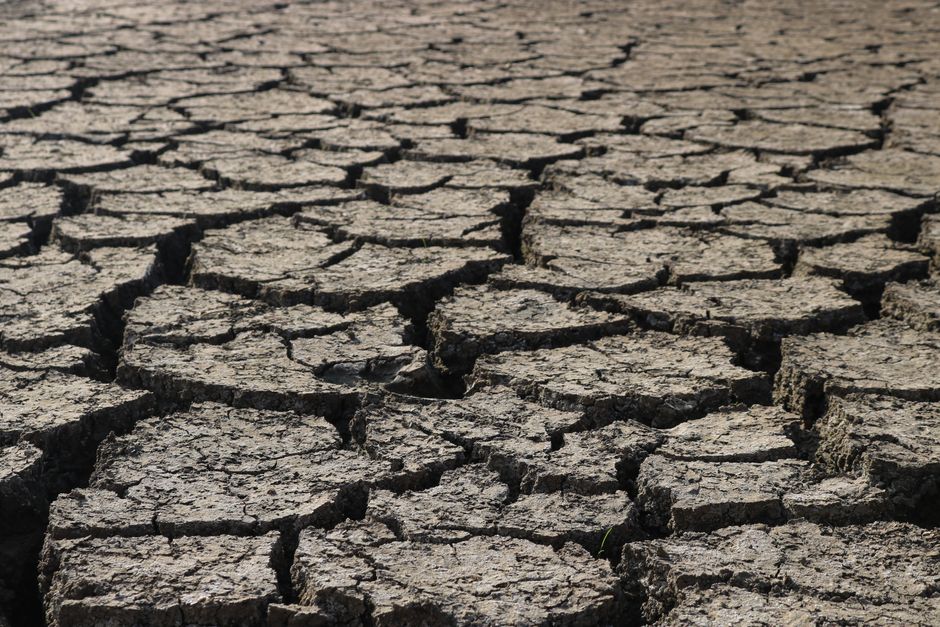
South Africa is already in an El Niño event that scientists say is strengthening and could be one of the most powerful on record, bringing above‑normal temperatures and below‑normal rainfall with risks to agriculture, health and disaster response.
Scientists warn of rapid intensification
The South African Weather Service (Saws) held a media conference on Friday, 18 September to present the latest forecast and to engage weather‑sensitive sectors on preparedness for the 2026/27 El Niño. Earlier this month, the United States’ National Oceanic and Atmospheric Administration (NOAA) confirmed that El Niño is strengthening, with a greater than 90% chance of becoming a very strong event during the Northern Hemisphere autumn and winter of 2026/27.
NOAA also placed the probability of an event exceeding the strength of any El Niño recorded since 1950 at 69% between October and December, the Saws briefing noted.
“Unprecedented” in the instrumental record, officials say
Professor Willem Landman of the University of Pretoria told the briefing that the country is already experiencing an El Niño event and described it as
“unprecedented in the instrumental record,”
citing its unusually early and rapid intensification. He said seasonal forecasts point to high probabilities of above‑normal temperatures across all regions and below‑normal rainfall by mid‑summer.
Risks to communities, agriculture and health
Speakers at the Saws briefing warned of broad impacts. Dr Johan Malherbe of the Agricultural Research Council said agricultural experts are concerned about reduced grazing and lower grain yields, and urged conservative strategies. The briefing emphasised that different parts of Africa will face different threats: Southern Africa is expected to face drought and extreme heat, while East Africa could experience excessive rainfall and flooding.
Preparedness and coordination emphasised
Rudzani Malala, Senior Manager of Disaster and Risk Reduction, said thatEl Niño “in itself is not a disaster, but the way in which people react and plan for it should be in a responsible and proactive manner.” He noted that Saws’ DRR department provides daily forecasts and impact‑based warnings that the public and relevant sectors should follow closely. Malala added:
“The way people react and plan for it will determine whether it becomes a disaster.”
Phumeza Tyali of the National Disaster Management Centre urged proactive planning and said:
“Preparedness must begin before impacts materialise. Whole‑of‑government and whole‑of‑society coordination is essential. The media are critical in turning information into action. Therefore, whole-of-government and whole-of society coordination is essential.”
Who may be most affected
Health specialists at the briefing highlighted that extreme heat and climate‑health links will hit vulnerable groups hardest. Celeste Madondo of the Foundation for Professional Development said certain groupsthe poor, women and young children, the elderly and people living with chronic illnessesface disproportionate impacts and that
“Extreme heat events are intensifying, and climate‑health linkages are complex, hitting the poorest hardest.”
Ongoing forecasts and guidance
The Saws said it will continue issuing monthly forecasts and bi‑monthly briefings with a central message: El Niño is here, it is strong, and South Africa must act now. The agency urged the public and weather‑sensitive sectors to follow its impact‑based forecasts and warnings closely.
Follow Joburg ETC on Facebook, Twitter, TikTok and Instagram
For more News in Johannesburg, visit joburgetc.com
Source: citizen.co.za