News
Rhodes University investigates after 109 gastrointestinal illness cases reported
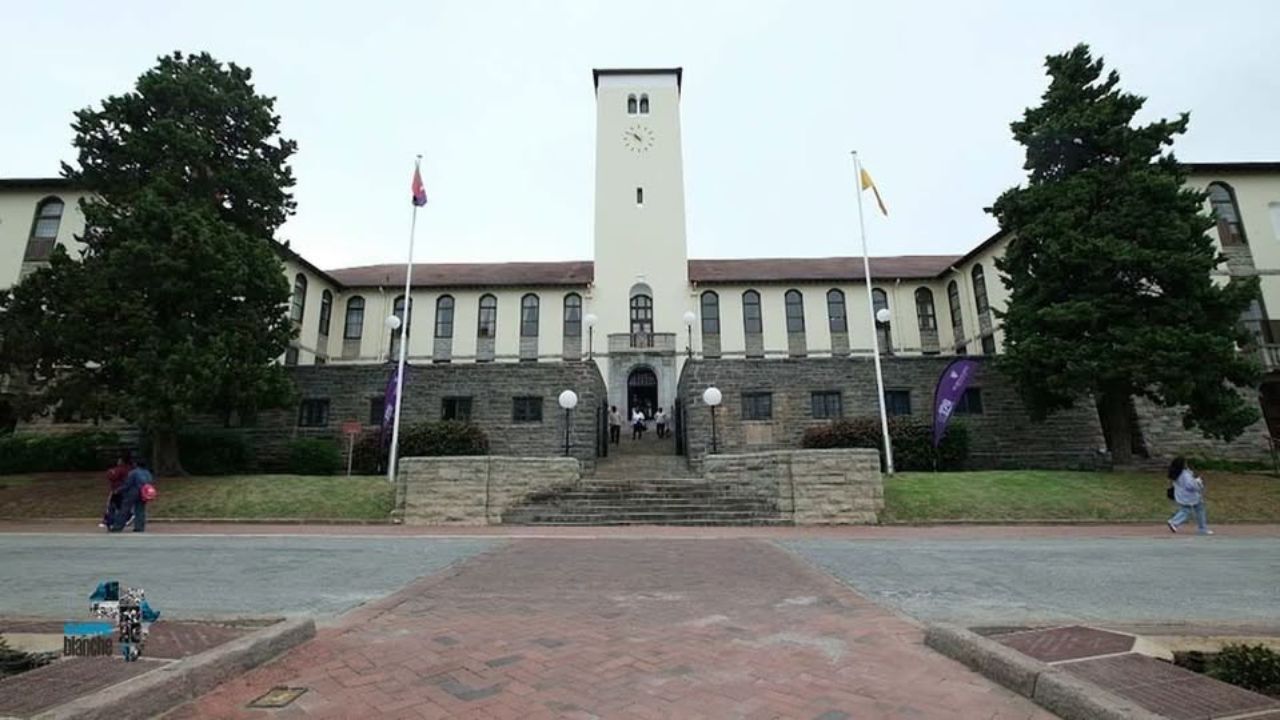
Rhodes University is investigating a cluster of gastrointestinal illnesses affecting its campus community in Makhanda, Eastern Cape, after at least 109 cases were reported, with the cause still unknown.
The university confirmed the outbreak on Tuesday, 20 October, and said it was working with local health authorities and environmental health practitioners to establish what may be behind the illnesses.
According to News24, at least 109 cases have been reported at the university, prompting precautionary measures while investigations continue.
The institution has introduced additional food preparation precautions, arranged water-quality testing at student residences and taken steps to ensure safe drinking water is available in dining halls.
University spokesperson Olwethu Gwanya said the institution was coordinating medical support for affected students while monitoring reported cases.
The university has urged anyone experiencing symptoms to seek medical attention.
The investigation is aimed at determining the possible cause and extent of the illnesses. However, no confirmed source has been identified, and it remains unclear whether the cases are linked to food, drinking water or another cause.
The university’s precautionary response includes testing water at residences and reinforcing measures around food preparation and drinking water provision in dining halls.
Further enquiries with local medical practitioners have also indicated that similar cases are being reported elsewhere in Makhanda, raising the possibility that the illnesses may extend beyond the university campus.
Authorities are continuing to assess the situation as they work to establish whether the reported cases share a common source.
The Rhodes University investigation comes amid a separate gastrointestinal illness outbreak in Gauteng.
Hundreds of children fall ill after Tshwane fails to chlorinate water, 408 cases were recorded in Bronkhorstspruit and surrounding communities between 7 and 18 October.
Investigations into the Tshwane outbreak linked the illnesses to contaminated municipal water after problems with chlorination at the Bronkhorstspruit Water Treatment Works. Laboratory testing also identified pathogens in patient samples.
The situation in Makhanda remains separate, and no equivalent link to contaminated water has been confirmed at Rhodes University.
Gastrointestinal illnesses affect the digestive system and can be caused by viruses, bacteria and parasites.
Depending on the cause, infections may spread through contaminated food or water, contact with an infected person or contaminated surfaces.
Symptoms can include diarrhoea, vomiting, nausea and stomach cramps. Some infections may also cause fever, while persistent vomiting or diarrhoea can lead to dehydration.
People experiencing severe symptoms or signs of dehydration should seek urgent medical care.
Follow Joburg ETC on Facebook, Twitter, TikTok and Instagram
For more News in Johannesburg, visit joburgetc.com
Source: News24