News
Raw sewage returns to Boipatong days after emergency repairs
According to The Citizen, raw sewage returned to properties in Boipatong days after contractors rerouted a blocked pipeline, renewing questions about accountability.
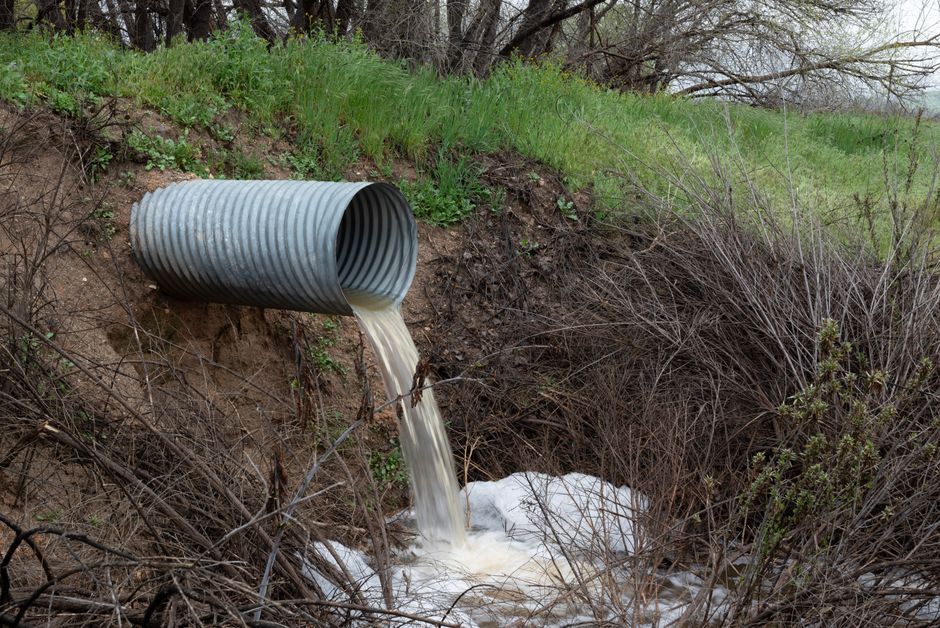
Emergency reroute fails to stop sewage relapse in Boipatong
According to The Citizen, raw sewage has returned to residents’ properties in Boipatong days after contractors intervened to reroute a blocked sewer pipeline. The relapse has reopened questions about the effectiveness of short-term fixes and who is accountable for a long-running sanitation failure in the area.
According to The Citizen, sewage flows freely in Boipatong, Gauteng, flooding streets and yards.
Local campaigners and national officials have given sharply different explanations for why the temporary measure was not enough. Modise Molefe, president of the Reliable Environmental Protection & Care Agency, criticised emergency interventions as inadequate and said they ignore the engineering problems that allow spills to recur.
What officials say
Deputy Minister of Water and Sanitation Jack Bloom placed the immediate responsibility with the Emfuleni local municipality, saying the crisis is rooted in years of mismanagement at the municipal level. He told reporters that setting up a special purpose vehicle (SPV) is the most viable path to rehabilitate failing water and sanitation infrastructure.
“The SPV is being set up because of the failure of the Section 63 intervention. I really feel for residents who suffer from endless sewage spills and water cuts. The whole sewage system needs to be rehabilitated which will, unfortunately, take time,”
Bloom also stressed workforce shortages within the municipality, saying the SPV must be able to recruit skilled staff quickly to turn operations around. He described a high vacancy rate and a backlog of operational problems.
Bloom said there is a 70% vacancy rate in the Emfuleni water and sanitation department and that the municipality is managing a large number of unresolved faults. He identified more than 1 000 active water leaks and 33 critical sewage pipe breakdowns as part of the wider infrastructure failure that the SPV aims to address.
Community impact and individual cases
The latest rupture of services has immediate human consequences for affected households. According to The Citizen, Masetumo Marago’s home has been flooded with raw sewage for about two years and that she was diagnosed with bronchitis linked to prolonged exposure to sewage odours. That case has become one of the most visible examples of how recurring spills affect health and quality of life.
Molefe argued that the emergency reroute made the problem worse by sending a high volume of wastewater into a small residential pipeline. He said the overflow was triggered when a high-volume flow originating from Cape Gate was diverted into a fragile 110mm residential pipeline, causing hydraulic pressure and an eruption at Marago’s house.
“The buck stops entirely with the [department],”
He also linked the national department directly to the results of the intervention, pointing out that it appointed Rand Water as the implementing agent and therefore cannot distance itself from the outcome.
Dispute over responsibility
Both sides frame the relapse in terms of responsibility for planning and execution. Molefe said temporary fixes do not change the underlying mismatch between wastewater volumes and network capacity and that political timetables will not alter engineering limits. He called for a comprehensive overhaul rather than isolated emergency responses.
Deputy Minister Bloom rejected the implication that he was to blame for the latest failures. He said he had been trying to assist residents since his appointment and reiterated the scale of the municipal backlog.
“I am not directly responsible in this matter but I have been trying to get involved in a positive way since I was appointed in July this year,”
Why the SPV is offered as a solution
Bloom described the SPV as a mechanism to centralise responsibility for rehabilitating sewage and water systems, hire skilled workers and modernise aging infrastructure. In broad terms, an SPV is commonly used to concentrate technical expertise and funding on complex infrastructure fixes an approach frequently suggested where municipal capacity is limited.
Those advocating for structural rehabilitation argue that temporary reroutes and short-term contractor stops cannot resolve capacity mismatches between wastewater volumes and local sewer networks. The contested reroute in Boipatong shows how interim measures can sometimes transfer pressure to weaker parts of a system unless accompanied by capacity upgrades.
What this means for residents
The immediate consequence for residents is continued exposure to sewage on streets and in yards, disruption to daily life and a potential health burden for those living with chronic odour and contact with contaminated waste. The dispute over responsibility raises questions about who will fund and manage longer-term rehabilitation work and how quickly repairs can be carried out.
As debates continue between community advocates and national officials, the relapse has once again highlighted the limits of emergency fixes and the broader need for coordinated, technically informed investment in sewer and water infrastructure.
Key facts at a glance
- According to The Citizen, raw sewage returned to properties in Boipatong days after contractors rerouted a blocked pipeline.
- Deputy Minister Jack Bloom cited a 70% vacancy rate in Emfuleni’s water and sanitation department and a backlog including more than 1 000 active water leaks and 33 critical sewage pipe breakdowns.
- Modise Molefe said the intervention diverted high-volume wastewater into a small residential pipeline and criticised reliance on temporary measures.
Follow Joburg ETC on Facebook, Twitter, TikTok and Instagram
For more News in Johannesburg, visit joburgetc.com
Source: citizen.co.za